
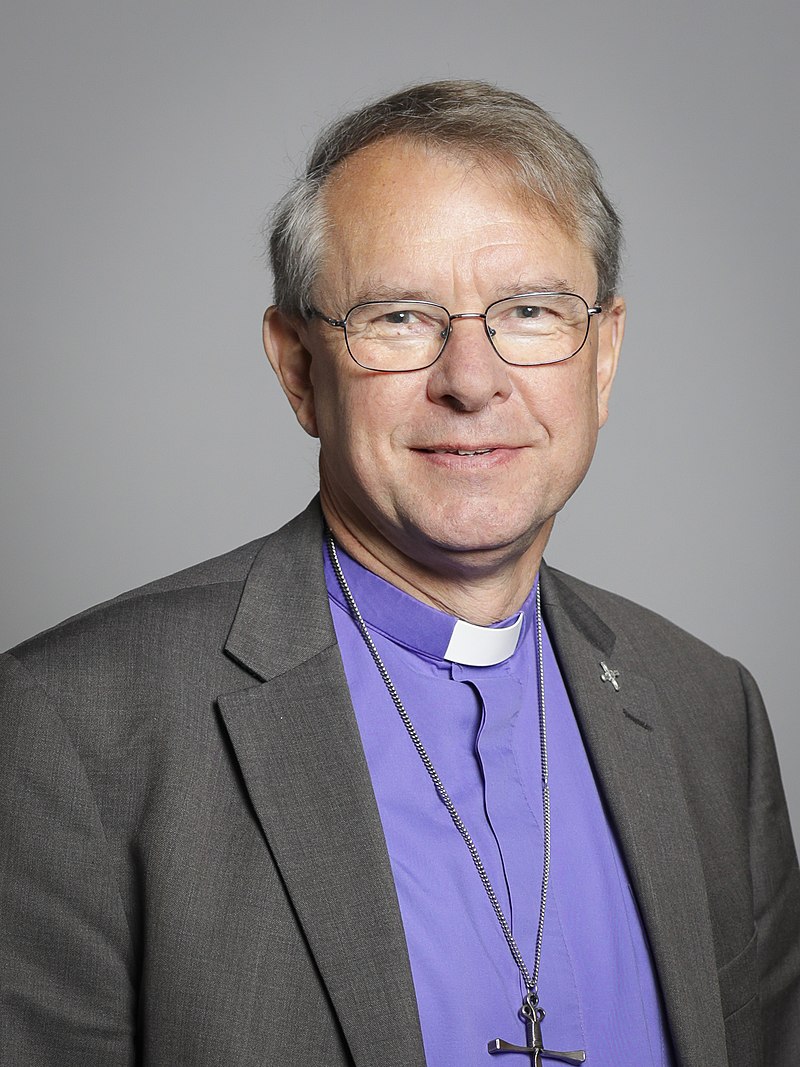
The Bishop of Durham received the following written answer on 12th April 2021:
The Lord Bishop of Durham asked Her Majesty’s Government how many members of staff working for asylum accommodation providers have received the training specified in the Asylum Accommodation and Support Statement of Requirements; and whether training for staff who have face-to-face contact with service users is stipulated in Home Office contracts with providers.
Lord Greenhalgh (Con, Home Office): The Asylum Accommodation and Support Services contracts (AASC) are published and the requirements of the contract are set out in the Statement of Requirements, this includes provisions around training and the training programme for those with face-to-face contact with our customers.
The Provider must fully equip and train staff (including volunteers) to ensure they are able to fulfil their roles and ensure appropriate and sufficient security provisions are made for all staff undertaking face-to-face activities. Those with face to face contact must cover the following:
- Ethnic diversity and cultural awareness
- Suicide and self-harm awareness and prevention
- Basic First Aid
- Gender based violence
- Fire Safety
- Health and Safety
- Vicarious Trauma
- Unconscious Bias
- Counter Terrorism
- Modern Slavery
- Training relating to housing standards and regulatory requirements
As a minimum, provider staff should receive refresher training on the requirements listed above annually (i.e. refresher training completed every twelve (12) months), or more regularly if required.
The Home Office does not intend to publish data on the number of staff employed by accommodation providers, who will be expected to undertake training. However, provider performance and service delivery is discussed on a weekly basis. There are formal performance meetings each month, plus strategic boards with senior provider management, once a quarter.
The Home Office discusses performance of the contracts and service improvements with Local Authorities who participate in asylum dispersal. Durham is the only Local Authority in the North East of England who do not accommodate supported asylum seekers. We would encourage all Local Authorities to play their part and hope Durham will join their neighbours in doing so.
The Lord Bishop of Durham asked Her Majesty’s Government what procedures they have established to (1) monitor, and (2) evaluate, contracts with asylum accommodation providers.
Lord Greenhalgh: We expect the highest standards from our providers, who are expected to conduct regular checks across the accommodation estate. The Home Office have access to providers’ systems to monitor compliance.
The Asylum Accommodation and Support Services contracts (AASC) have a robust performance management system, against which providers are expected to deliver. Where performance falls short of the required standard, failures are recorded and can result in the award of points and, ultimately, service credits being applied. Providers’ performance is monitored closely by dedicated staff in each contract area, who are in daily contact with them.
This is supplemented by a formal governance process which includes quarterly Strategic Review Management Boards and monthly Contract Management Groups. Service credits and subsequent improvement plans are discussed and monitored as part of this process.
Contract management is operated in line with Covid-19 guidance. Service Delivery Managers speak daily with providers about service delivery and performance. In response to the global pandemic, officials also have formal meetings on a weekly basis to ensure individuals are housed safely, services are delivered in line with their contractual obligations and adherence to guidance from Public Health England (PHE) is followed.
Asylum seekers can also raise specific issues or concerns about their accommodation through the 24/7 Advice, Issue Reporting and Eligibility (AIRE) service operated by Migrant Help. The Home Office and our providers receive feedback on complaints raised through our regular dialogue with Migrant Help, which enables attention to be focussed on particular areas of concern.
The Lord Bishop of Durham asked Her Majesty’s Government, further to the Written Answer by the Minister for Immigration Compliance and Justice on 11 February 2021 (150977), what are the timescales for ending the use of (1) Napier, and (2) Penally, barracks to accommodate asylum seekers.
Lord Greenhalgh: Napier Barracks will remain in operation in accordance with current needs.
The Lord Bishop of Durham asked Her Majesty’s Government what steps they are taking to ensure that asylum seekers living in temporary accommodation receive COVID-19 vaccinations.
Lord Bethell (Con, DHSC): Vaccination against COVID-19 is offered to every adult living in the United Kingdom free of charge, regardless of immigration status. No immigration checks are needed to receive these services and the National Health Service is not required to report undocumented migrants to the Home Office.
An NHS number is not needed to make a booking for a COVID-19 vaccine or when attending a vaccination appointment. If individuals are registered with a general practitioner (GP), their GP will contact them in due course.
For those not registered with a GP, NHS regional teams working with various appropriate local systems will contact unregistered people to ensure they are offered the vaccine, when eligible.
 The Church of England in Parliament
You must be logged in to post a comment.