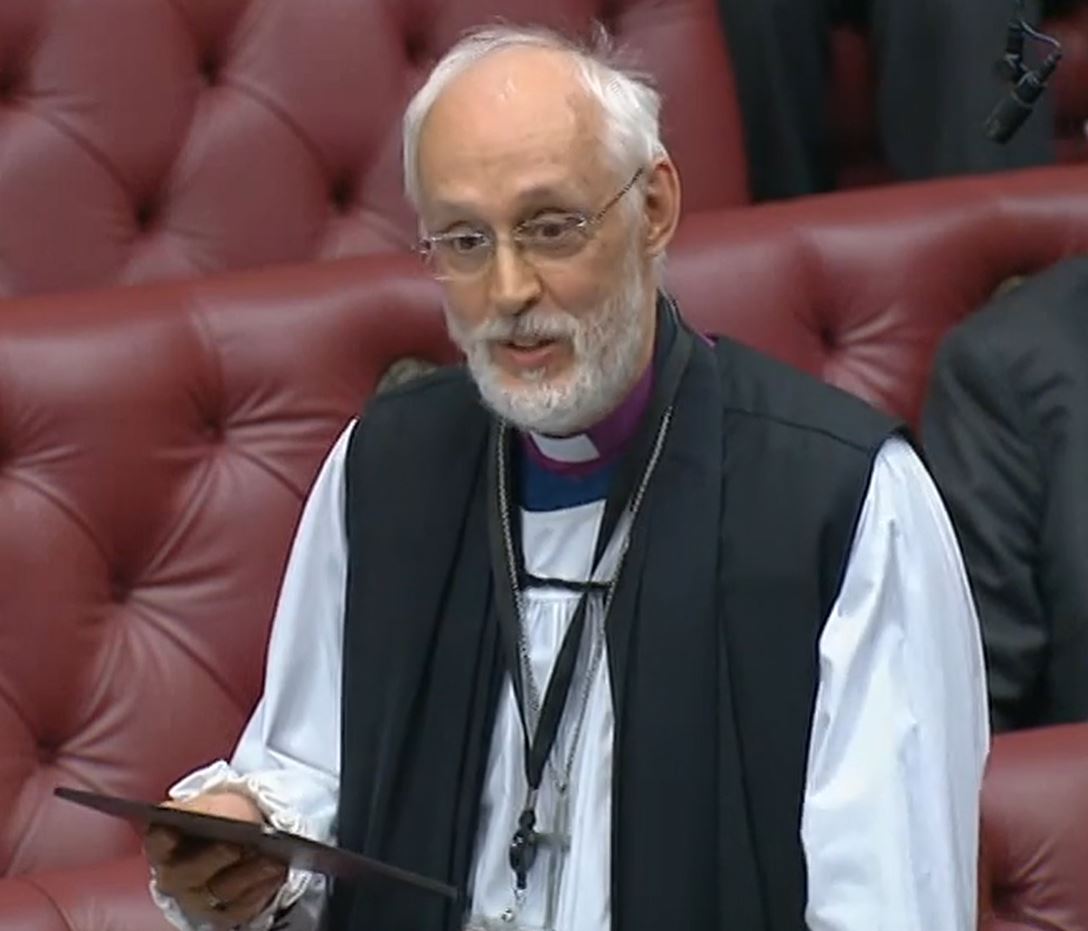
Terminally Ill Adults (End of Life) Bill: Archbishop of Canterbury restates principled opposition to bill

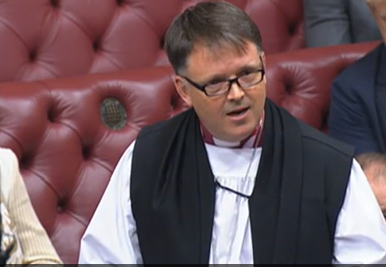
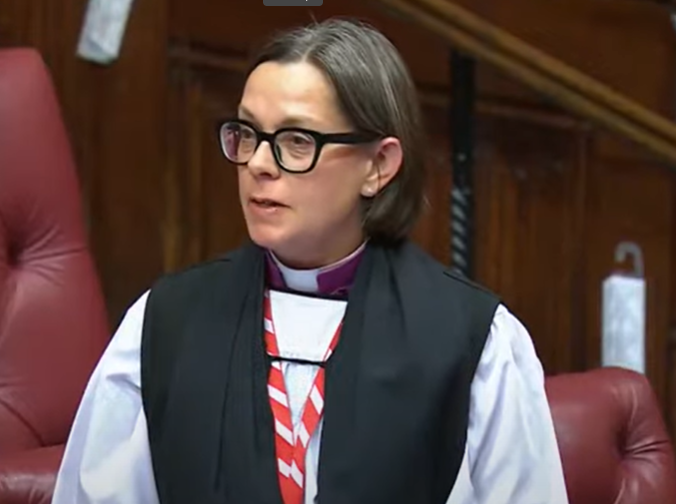
The Archbishop of Canterbury also spoke in the final debate on the Terminally Ill Adults (End of Life) Bill on 24th March 2026, reiterating her opposition to the bill and the need for a different approach to scrutiny and debate should the bill return to the House:

The Lord Archbishop of Canterbury: My Lords, I shall briefly make some reflections. It is a great privilege to follow my friend, the noble Baroness, Lady Rafferty; I thank her for her contribution. I recognise the enormous amount of work that has gone into this Committee stage. I am grateful to the noble and learned Lord, Lord Falconer, for meeting me; I thank him for the time that he has given me.

Noble Lords will know that I oppose the Bill in principle, both as a priest and as a nurse, but it is clear that some things unify us. Whether we support the Bill or oppose it, we are unified by the fact that we want people to die in a dignified, pain-free and compassionate way, with the least possible fear. I also believe that we are unified in the belief that there needs to be investment in palliative care now. I welcome the new modern framework for palliative care that the Government have introduced, but recognise that financial investment still needs to occur.

Continue reading “Terminally Ill Adults (End of Life) Bill: Archbishop of Canterbury restates principled opposition to bill”

Terminally Ill Adults (End of Life) Bill: Bishop of Newcastle speaks to concerns surrounding gravity of the bill

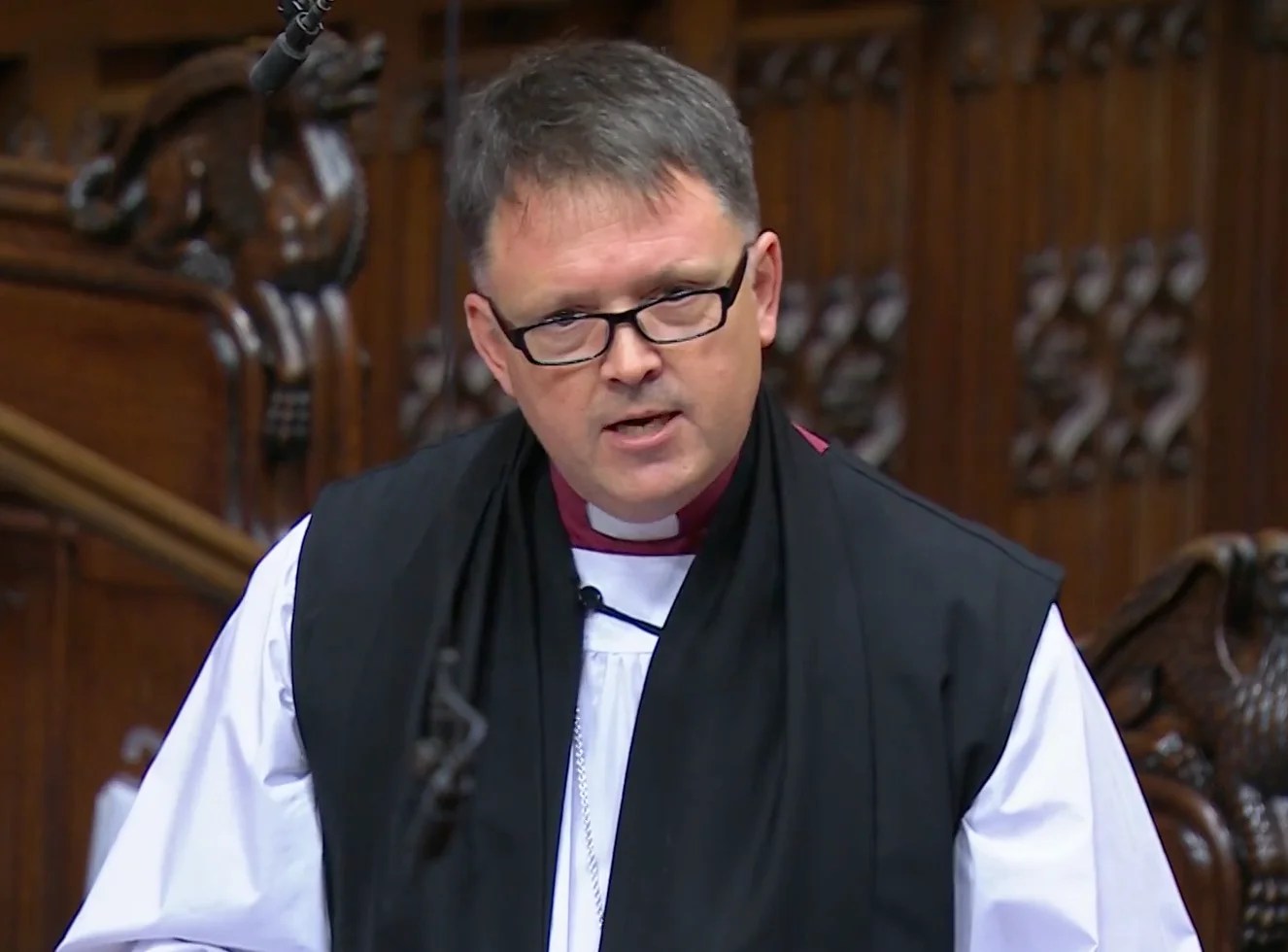
On 24th April 2026, the Bishop of Newcastle spoke in the final committee debate on the Terminally Ill Adults (End of Life) Bill before the prorogation of Parliament, stressing the serious nature of the issues contained in the bill and the concerns raised by the ongoing debate in the House of Lords:

The Lord Bishop of Newcastle: My Lords, I speak as one of the Lords spiritual and as a member of the Select Committee that examined the Bill. I do so with a deep sense of responsibility for the integrity of our legislative process and for the dignity and protection of those whose lives may be most directly affected by what we decide. I have been deeply moved by the personal stories that have been shared by noble Lords in recent months and wish to acknowledge the stories that my noble friend shared with us just now. My own dear cousin died earlier this week from a condition that could at many stages have been described as terminal. She continued resolutely to live life to its fullness, and her sudden death is a matter of great sadness to me.

In our context, where questions of life, death, care and conscience are so closely intertwined, the quality of our scrutiny is not a procedural detail. It is a moral necessity. Some may dismiss my contribution as one grounded in a faith, but this is as legitimate and significant as any other viewpoint, whether grounded in faith, belief or none. While my faith informs my alarm at our designation of dignity or the lack of it, it is from my experience on the Select Committee that I have found that, the more closely we have examined this Bill, the more concerns have come into focus, not fewer. For a Bill of this magnitude in terms of societal change, the highest level of scrutiny is imperative. Within our proceedings, there has been an acknowledgement, even from those closely involved in the Bill, that it is not yet in a settled or satisfactory form. When such admissions are made, it is incumbent on us to listen with care.

Continue reading “Terminally Ill Adults (End of Life) Bill: Bishop of Newcastle speaks to concerns surrounding gravity of the bill”

Votes: English Devolution and Community Empowerment Bill

On 23rd April 2026, the House of Lords debated the English Devolution and Community Empowerment Bill. Votes were held on amendments to the bill, in which a Bishop took part:

Continue reading “Votes: English Devolution and Community Empowerment Bill”

Votes: Children’s Wellbeing and Schools Bill

On 20th April 2026, the House of Lords debated the Children’s Wellbeing and Schools Bill. Votes were held on amendments to the bill, in which Bishops took part.

Continue reading “Votes: Children’s Wellbeing and Schools Bill”

Votes: Crime and Policing Bill

On 16th April 2026, the House of Lords debated the Crime and Policing Bill. Votes were held on amendments to the bill, in which a Bishop took part.

Continue reading “Votes: Crime and Policing Bill”

Votes: Victims and Courts Bill

On 15th April 2026, the House of Lords debated amendments to the Victims and Courts Bill. Votes were held on these amendments, in which a Bishop took part:

Continue reading “Votes: Victims and Courts Bill”

Votes: English Devolution and Community Empowerment Bill

On 13th April 2026, the House of Lords debated the English Devolution and Community Empowerment Bill. Votes were held on amendments to the bill, in which a Bishop took part:

Continue reading “Votes: English Devolution and Community Empowerment Bill”

Terminally Ill Adults (End of Life) Bill: Bishop of Southwark supports amendments on conscientious objections

The Bishop of Southwark spoke in support of an amendment to the Terminally Ill Adults (End of Life Bill) intended to provide a framework for conscientious objections and opt-outs to the bill for a wider range of health and social care staff on 27th March 2026:

The Lord Bishop of Southwark: My Lords, I am glad to follow the noble Baroness, Lady Fox of Buckley, because I added my signature to Amendment 673 in the name of the noble Baroness, Lady Fraser, as did the noble Lords, Lord Carlile and Lord Hunt of Kings Heath.

Continue reading “Terminally Ill Adults (End of Life) Bill: Bishop of Southwark supports amendments on conscientious objections”

Votes: English Devolution and Community Empowerment Bill

On 26th March 2026, the House of Lords debated the English Devolution and Community Empowerment Bill. Votes were held on amendments to the bill, in which a Bishop took part:

Continue reading “Votes: English Devolution and Community Empowerment Bill”

English Devolution and Community Empowerment Bill

The Bishop of Manchester spoke in support of amendments on the topic of community rights during a debate on the English Devolution and Community Empowerment Bill on 26th March 2026:

The Lord Bishop of Manchester: My Lords, I think I have been cued in. I will speak to my Amendment 318A as—yes, still—the Bishop of Manchester. There is a vacancy in London, but I think I am too old to be considered.

Over the last 18 months, I have been chairing the Manchester Social Housing Commission. Central to our work has been the contributions that local residents and communities representing their neighbourhoods make to our thinking and, eventually, our recommendations. We have seen how empowered communities make a real difference. They are the people who know what it is like to live where they do. They can shape local services for the best results.

Far from being a problem for authorities to manage, communities continually demonstrate how they respond to the cost of living crisis or the epidemic of loneliness. People in communities are vital in driving their own solutions. As I go around my diocese, I see again and again how local people taking the initiative really make a difference.

Continue reading “English Devolution and Community Empowerment Bill”