
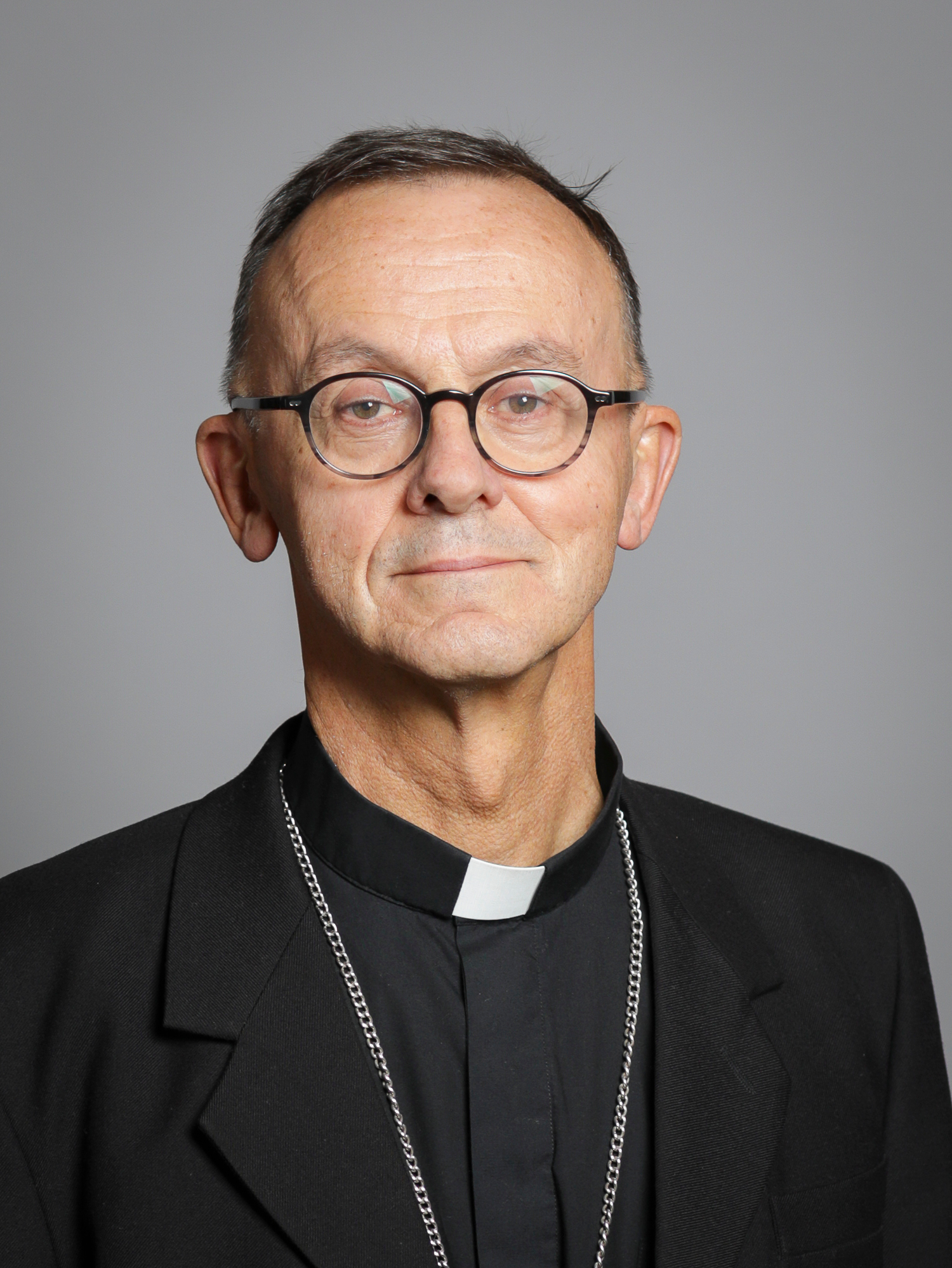
The Bishop of Worcester received the following written answers on 11th October 2021:
The Lord Bishop of Worcester asked Her Majesty’s Government what assessment they have made of (1) the current levels of internally displaced persons in Afghanistan, and (2) current and future refugee flows from Afghanistan to (a) Pakistan, (b) Tajikistan, (c) Iran, (d) Uzbekistan, and (e) Turkmenistan.
Lord Ahmad of Wimbledon (Con, Foreign Office): NGOs estimate that nearly 400,000 people have been displaced from their homes in Afghanistan since the beginning of 2021, in addition to the 2.9 million already displaced by the end of 2020. FCDO Ministers have been, and continue to be, in regular contact with our counterparts in Pakistan, Tajikistan, Uzbekistan and Turkmenistan, including most recently on 14 September when Lord Ahmad visited Uzbekistan.
The Lord Bishop of Worcester asked Her Majesty’s Government what plans they have to undertake a review of the efficacy of UK overseas development aid in Afghanistan since 2001 and the mechanisms by which it was delivered.
Lord Ahmad of Wimbledon: UK overseas development and humanitarian aid in Afghanistan has been subject to many forms of oversight and scrutiny since 2001 including internal assurance reviews, National Audit Office country office reviews and Independent Commission for Aid (ICAI) impact reviews. The International Development Committee has recently approved the future ICAI work programme that includes a country portfolio review of Afghanistan. Publication of the review is due in summer 2022.
The Lord Bishop of Worcester asked Her Majesty’s Government (1) what the current mechanisms are for delivering UK overseas development aid in Afghanistan, and (2) what steps they will take to ensure the efficacy of this funding and its delivery in the future.
Lord Ahmad of Wimbledon: We stand with the people of Afghanistan to support a more stable, peaceful future for the country. Total UK aid to Afghanistan this year is now £286 million, one of our largest bilateral programmes.
As part of this £286m, £30m has been allocated for life-saving aid to Afghanistan’s neighbouring countries to help those who choose to leave Afghanistan. Of this £30m, £10 million will be made available immediately to humanitarian partners, such as the UNHCR, to enable essential supplies such as shelters to be despatched to the Afghan borders as well as to set up sanitation and hygiene facilities. The remaining £20 million will be allocated to countries that experience a significant increase in refugees to support reception and registration facilities and provide essential services and supplies. As with all the FCDO’s programming, when delivering the funding we will be guided by our Programme Operating Framework, which supports high standards of programme delivery, risk management and due diligence in the wide range of difficult places we work.
The Lord Bishop of Worcester asked Her Majesty’s Government (1) what reassurances they have sought from, and (2) what reassurances have been given by, the Taliban that future aid to Afghanistan will be used for its intended purposes.
Lord Ahmad of Wimbledon: All aid that was being channelled through the Afghan government has stopped. We are only supporting life-saving humanitarian assistance through the UN and other trusted organisations on the ground, who are continuing to ensure vital aid reaches those who need it most. All UK aid is subject to strict monitoring and verification to ensure it is only used to help the vulnerable people it is intended for. As the Prime Minister has set out, we will continue to judge the Taliban on their actions not their words. The UN Emergency Relief Coordinator, Martin Griffiths, has secured a number of assurances from the Taliban in writing about the distribution of aid which he described at the UN flash appeal. We support the UN’s important work in this area.
 The Church of England in Parliament
You must be logged in to post a comment.