
On 12th June 2023, the House of Lords debated the Illegal Migration Bill in the fourth day of the committee stage. The Bishop of Southwark spoke in the debate, support of amendment 88, tabled by Lord Coaker and supported by the Bishop of Gloucester, which would aim to prevent victims of sexual exploitation and trafficking from being removed under the bill:
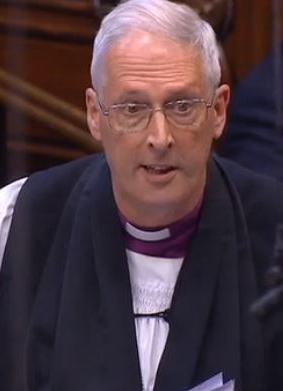
The Lord Bishop of Southwark: My Lords, Amendment 88 in the name of the noble Lord, Lord Coaker, is supported by my right reverend friend the Bishop of Gloucester, who regrets that she is unable to be here today. There is much similar ground in this amendment to others, but this amendment focuses specifically on victims of sexual exploitation.
The Bill directs that victims of modern slavery, including victims of sexual exploitation, shall be subject to detention and removal to their own country or to a third country. As we have heard, the principal exception to this is if the Secretary of State is satisfied that the individual is co-operating with criminal proceedings and that their presence in the United Kingdom is necessary for this to continue. We know that the Government have committed to victims of sexual violence and exploitation in this country. The UK ratified the 2011 Istanbul Convention on Preventing and Combating Violence Against Women and Domestic Violence only last summer and there has been much work done over the past few years to increase awareness and tackle perpetrators. To deny those who have arrived here safety and protection is a regressive move.
Research tells us that women who have been exploited often arrive confused, not always having been aware of their final destination or even that they were going to another country. They may have been exploited by their traffickers during the flight. The notion of removing them to a safe third country that contains their abusers is cruel and unnecessary. The moral basis of legislating for and the axiomatic assumption of the detention and removal of such women, as there is in Clause 21, is at best dubious. I support this amendment.
I also support a number of amendments in this group that specifically target other issues that Clause 21 will cause for victims of modern slavery. My right reverend friend the Bishop of Bristol regrets that she cannot be here today but has added her name to Amendments 85, 87 and 89, tabled by the noble Lord, Lord Coaker. I will not repeat the arguments that he and other noble Lords have made on this large group but will make one further point. Modern slavery and trafficking into the United Kingdom are not wholly outside the UK’s control. They are not a consequence wholly of events far away for which we bear no responsibility. These crimes commodify and abuse human beings in industries and markets which are on our own soil. They represent a failure of policy and policing, and a broader societal indifference to human dignity which allows slavery to flourish in this country.
It would be all the more unacceptable, therefore, not to take responsibility for the care and support of victims who suffer as a consequence of our failings. Clause 21 as drafted refuses that responsibility. Victims brought and abused here it disposes of somewhere else. That is the moral core of many of the amendments in this group. Thus, my question to the Minister is: if these women are here because of the criminal and business activities of UK markets and the limitations of UK policies and policing, why are these victims not our responsibility?
 The Church of England in Parliament
You must be logged in to post a comment.