
On 13th June 2023, the Bishop of Durham tabled a question on the government’s assessment of the report of the Archbishops’ Commission on Families and Households, and any steps they planned to take in response to the report’s findings:
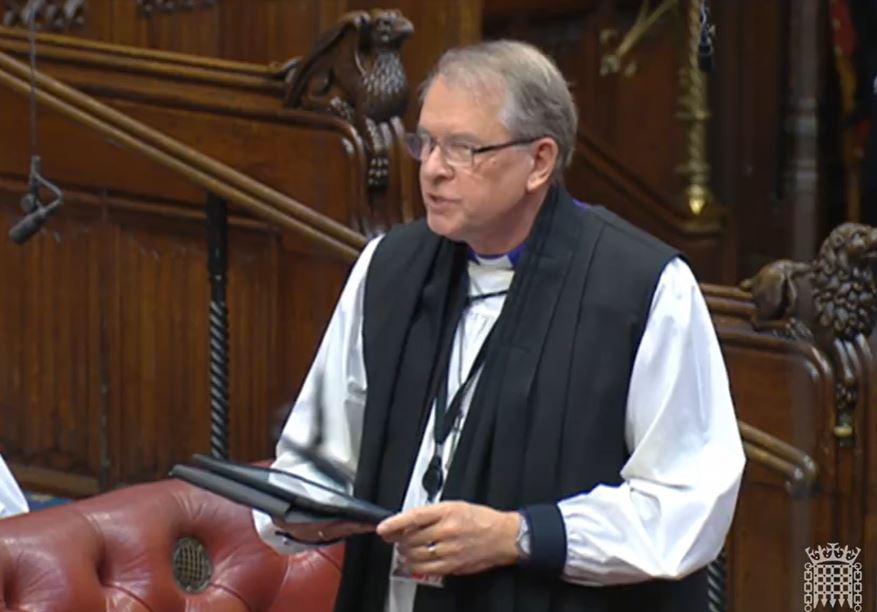
The Lord Bishop of Durham: To ask His Majesty’s Government what assessment they have made of the report of the Archbishops’ Commission on Families and Households, ‘Love Matters’, published on 26 April; and what steps they plan to take in response to its findings.
Baroness Barran (Con, Department for Education): My Lords, I thank all members of the Archbishops’ Commission on Families and Households for their report, which underlines the importance of love in family life. This has particular importance for those children with a disrupted family life, hence the focus in our recent strategy for children in the social care system, Stable Homes, Built on Love. We will consider the report’s recommendations alongside the Government’s response to the Office of the Children’s Commissioner Family Review.
The Lord Bishop of Durham: I thank the noble Baroness for her Answer. There are five key messages in the archbishops’ commission report. The second is that relationships need to be supported all the way through life. Obviously, relationships education in school is one thing, but the thrust is how we support adults in relationships. Adults have to take responsibility for themselves, but there are ways in which support can be offered. How might the Government encourage relationship support, particularly at life transition points?
Baroness Barran: The right reverend Prelate makes an important point, and the question about when and how the state gets involved in adult relationships is obviously a very sensitive one. Underpinning our approach we have the family test, which means that all departments need to think about the impact of their policies on families, including at the key transition points which the right reverend Prelate referred to. Where the state must be involved in adult relationships, we strive to do so sensitively and effectively. Where families want to engage with the state, those services should feel accessible and non-judgmental.
 The Church of England in Parliament
You must be logged in to post a comment.