
On 16th June 2023, the Bishop of St Albans’ Coroners (Determination of Suicide) Bill – which would require Coroners to enter a verdict on the case of suicide, with a view to ascertaining if the suicide was related to gambling – had its third reading in the House of Lords and passed to the House of Commons:
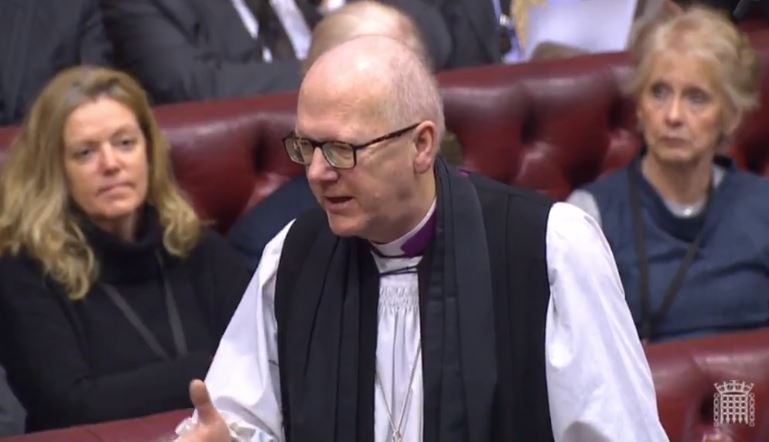
The Lord Bishop of St Albans: That the Bill do now pass.
I hope noble Lords will grant me the indulgence of saying a few words about this Bill. In so doing, I declare my interest as a vice-chairman of Peers for Gambling Reform and a vice-president of the Local Government Association. I express my appreciation for those Members of the House who have been so helpful. This is the third iteration of this Bill that I have brought before your Lordships’ House, and I believe it has been radically improved. I thank my parliamentary researchers past and present, Sam Parker and Chris Grozdoski, and in particular the noble and learned Lord, Lord Brown of Eaton-under-Heywood, and the noble Lord, Lord Wolfson of Tredegar, for their advice and valuable suggestions. I also thank members of Peers for Gambling Reform for their steadfast support as we have taken this Private Member’s Bill through your Lordships’ House.
This Bill follows nearly a decade’s work on gambling reform and is part of a much wider move to protect the many people whose lives are being adversely affected, particularly by online gambling. The campaign for gambling reform is massive. The most up-to-date statistics indicate that there are more than 400 gambling-related suicides each year. That means that, at least once a day, a family loses a son, daughter, husband, wife or someone else to gambling. The campaign to highlight what is going on and work out how to prevent suicides has been hindered because we have so little evidence and so few statistics to inform what we are doing.
This Bill was an attempt to try and get some better stats. I have received many approaches from people and campaigners who see the value of collecting data—not just for those who are campaigning, as I am, for better regulation of online gambling, but other agencies that feel they are hindered because they do not have the data to inform their suicide prevention strategies.
I thank the Minister for his letter to me in which he explained to me why His Majesty’s Government are unable to support my Private Member’s Bill and how they believe that the use of the prevention of future death reports are the way forward. I will continue to ponder the points he has made and to talk to coroners and other people deeply involved in this complex area. However, I have been deeply encouraged by many people in this House urging me to keep going on this. Therefore, I am delighted that there is a Member of the other place who has been persuaded of the merits of this Bill and will sponsor it through the other place. I know it is not going to become law, but I hope that, having made the arguments, we might find a way to address the fundamental issues—perhaps in amendments to other legislation which will come through Parliament—so we can really try to protect those whose lives are being lost and reduce the devastating consequences on families across our nation. I beg to move.
Extracts from the speeches that followed:
Lord Ponsonby of Shulbrede (Lab): My Lords, I congratulate the right reverend Prelate the Bishop of St Albans for his persistence on this matter. As he said, it is the third iteration of this Bill. I think it has been improved and has, if nothing else, it has prompted the full engagement of the Government on this matter. As we will hear from the Minister, and as far as I am aware, the Government are taking on board the points that the right reverend Prelate is making, but maybe not in the form of this Bill. Nevertheless, that is progress. In a sense, it shows the power of Private Members’ Bills, even when they do not ultimately succeed in themselves, because they are part of a process.
I also urge the right reverend Prelate the Bishop of St Albans to continue his campaign. Gambling is a source of addiction. He has mentioned the 400 suicides each year related to gambling, particularly among young men, and I remember him making that point in previous debates. This is a very important area. The coronial system may be one part of the solution, but I hope to hear from the Minister that there is a wider consideration of how to reduce gambling-related suicides, which are a scourge on our society.
Lord Bellamy (Con, Department of Justice):
My Lords, I, too, thank the right reverend Prelate the Bishop of St Albans for, again, providing a valuable opportunity for the House to debate this deeply sensitive issue. I also respectfully commend his tireless commitment to highlighting the need for a better understanding of the factors that may contribute to a person’s tragic decision to take their own life and to, in his words, collect “better stats” on this issue in the gambling context. The Government fully recognise the importance of gathering better information on these factors. I thank the right reverend Prelate for the changes that have been brought forward to the Bill, and all noble Lords who have spoken on this hugely important issue.
However, the Government believe that this measure is not quite the right way to tackle these important issues, and I shall briefly explain why. This Bill would require a coroner to record an opinion as to the relevant factors in the case of a death by suicide. That would radically change the nature of the coronial investigation and the nature of an inquest. The scope of a coroner’s inquest is to determine who has died and how, when and where they died. The key issue is how—the issue is not why. It is focused on the physical means of death and whether the verdict should be suicide, accidental death, unlawful killing and so forth. The legislation is quite clear that it does not extend to determining the much deeper issue of why somebody died, which may well be a very mysterious and complicated issue, and could date back to some childhood trauma. For that reason, the Government do not feel it is right to extend the coroner’s jurisdiction in this way.
(…)
There is more I could say about our commitment to taking forward and improving effective surveillance and prevention, but I hope that I have given the House at least some indication of the important the Government attach to this vital issue.
This House is in the course of debating the Online Safety Bill, which was referred to in the debate we have just had and, in that context, there will be a further opportunity to revisit the issues that have been canvassed today in a general sense. I reiterate the Government’s gratitude to the right reverend Prelate for this debate today. I thank all noble Lords for their contributions on this difficult matter.
The Lord Bishop of St Albans: I give my thanks to the noble Lord, Lord Ponsonby of Shulbrede and the Minister. Protocol prevents me from engaging with any of the points the Minister made, but I thank him for the careful consideration he has given. Our discussions will go on as we look to the future. Meanwhile, I beg to move that this Bill do now pass.
Bill passed.
 The Church of England in Parliament
You must be logged in to post a comment.