
The Bishop of Durham received the following written answers on 17th October 2023:
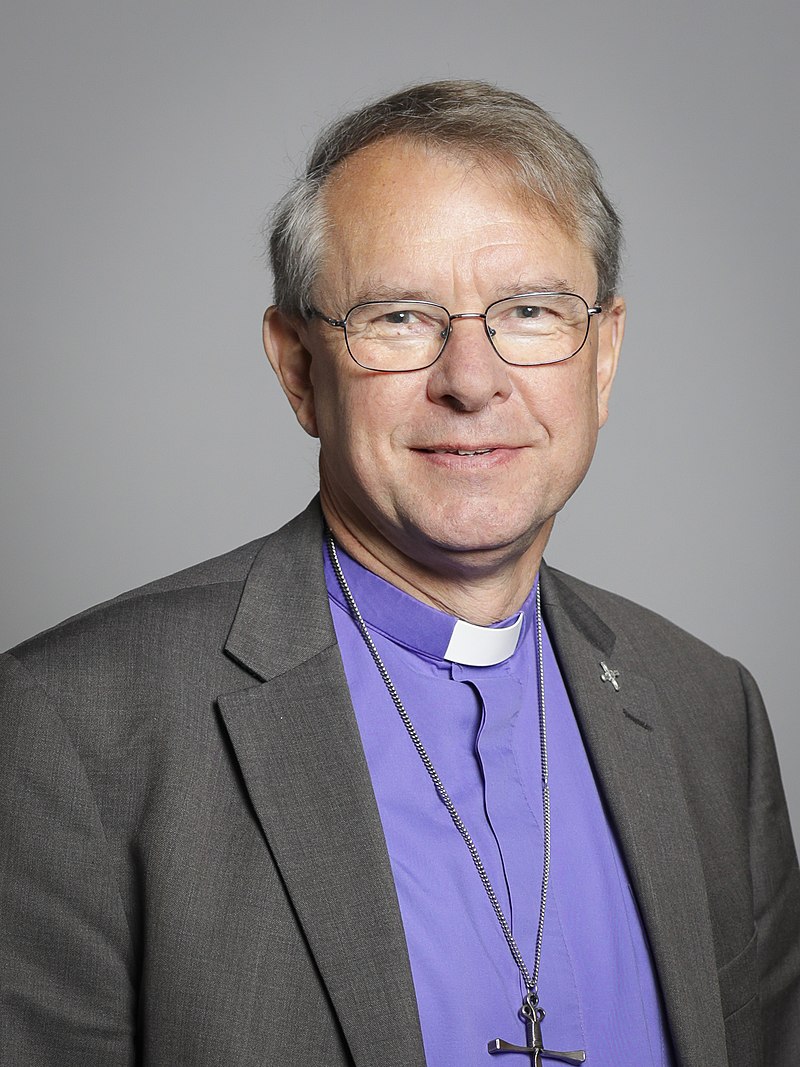
The Lord Bishop of Durham asked His Majesty’s Government whether, in the instance a child is found after going missing from Home Office accommodation, they are initially returned to hotel accommodation or the care of the local authority.
Lord Murray of Blidworth (Con, Home Office): When a missing child is found, a referral to the local authority is made with a clear expectation that they are taken into local authority care.
Hotel accommodation is a temporary means to accommodate the increased number of unaccompanied asylum-seeking children (UASC) arriving and is only ever a contingency option, not a long-term solution. Out of necessity we accommodated UASC on an emergency and temporary basis in hotels while placements with local authorities have been vigorously pursued.
Ending the use of hotels for UASC is an absolute priority and we will continue to work around the clock with councils to increase the number of care placements available.
The Lord Bishop of Durham asked His Majesty’s Government what estimate they have made of the number of unaccompanied asylum-seeking children aged (1) 16–17, and (2) under 16, who are likely to arrive in the UK in the next 12 months.
Lord Murray of Blidworth: The data requested cannot be provided as it depends on live operational databases that have not been quality assured. The Home Office uses this data alongside historical trends, expert opinion and other data sources to plan for a range of possible future asylum application demand, reflecting the unpredictability of world events and other drivers of immigration a range of projections are produced.
The Lord Bishop of Durham asked His Majesty’s Government what plans they have, if any, for Home Office accommodation for unaccompanied asylum seeking children to be subject to regulation and inspection by Ofsted.
Lord Murray of Blidworth: The Government continues to take steps to support local authorities to provide timely placements to unaccompanied children through the National Transfer Scheme (NTS). We remain committed to working with the local authority sector to ensure the system continues to operate effectively and unaccompanied asylum-seeking children move out of Home Office hotels quickly in light of the ECPAT judgment in the High Court.
The Lord Bishop of Durham asked His Majesty’s Government what plans they have to report on the circumstances regarding unaccompanied children who have gone missing from hotels, including (1) lessons learned, and (2) steps taken, to prevent recurrence; and when any such report will be published.
Lord Murray of Blidworth: The high number of UASC arrivals placed unprecedented pressure on the National Transfer Scheme. Out of necessity the Home Office accommodated UASC on an emergency and temporary basis in hotels while placements with local authorities have been vigorously pursued. We are working at pace with Kent County Council, other government departments and local authorities across the UK to ensure suitable local authority placements are provided for unaccompanied children urgently and sustainably.
Those in hotels are supported by team leaders and support workers who are on site 24 hours a day. Further support is provided on site by teams of social workers and nurses. Staff receive a number of briefings and guidance on how to safeguard children. All children receive a welfare interview, which includes a series of questions specifically designed to understand whether there are any potential indicators of trafficking or particular safeguarding issues. All contingency sites have security staff on site 24/7 and providers liaise closely with local police to ensure the welfare and safety of vulnerable residents.
When any young person goes missing – UASC or British citizen – the ‘missing after reasonable steps” protocol is followed and led by our directly engaged social workers. The process is to follow this protocol developed by the police and work in conjunction with the LA (Local Authorities) children’s services to invoke a missing child multi agency strategy meeting chaired by children’s services.
The statutory guidance owned by the Department for Education requires local authorities to share information regarding all missing children locally in a multi-agency forum, therefore when a child goes missing from a hotel, the relevant local authority will convene a strategy meeting regarding them.
The Lord Bishop of Durham asked His Majesty’s Government what funding is available to local authorities to support their responsibility for finding suitable and specialist placements for unaccompanied asylum-seeking children.
Lord Murray of Blidworth: Local authorities receive through funding from the Local Government Finance Settlement and finance arrangements which apply to the Devolved Administrations. The Home Office provides additional funding contributions to the costs incurred by local government in looking after unaccompanied asylum-seeking children (UASC) and former UASC care leavers. UASC and leaving care funding instructions can be found using the link below:
An incentivised funding programme of £6,000 is also offered to local authorities which includes transfers of unaccompanied children from interim UASC hotels and Kent County Council. Transfers will need to take place within 5 working days to qualify for the funding.
The Lord Bishop of Durham: His Majesty’s Government when, if at all, they intend to publish the operational processes and circumstances in which the Home Office will use the ‘vice versa’ power of child transfer from local authority care under the Illegal Migration Act 2023.
Lord Murray of Blidworth: The Illegal Migration Act received Royal Assent on 20 July 2023. The Act seeks to ensure the only way to come to the UK for protection will be through safe and legal routes and will take power out of the hands of the criminal gangs and protect vulnerable people, including children.
In light of Mr Justice Chamberlain’s High Court judgment of 27 July 2023 in ECPAT UK, R (On the Application Of) v Kent County Council & Anor [2023] EWHC 1953 (Admin), we are reflecting on our use of powers in the Illegal Migration Act relating to the accommodation and transfer of unaccompanied children. This includes the vice versa transfer power in Section 17. These powers have not yet been commenced; a decision will be made on this matter in due course.
We will continue to work with local authorities across the UK to ensure suitable local authority placements are provided for unaccompanied children, in line with their statutory duties.
 The Church of England in Parliament
You must be logged in to post a comment.