
The Bishop of Durham received the following written answers on 25th October 2023:
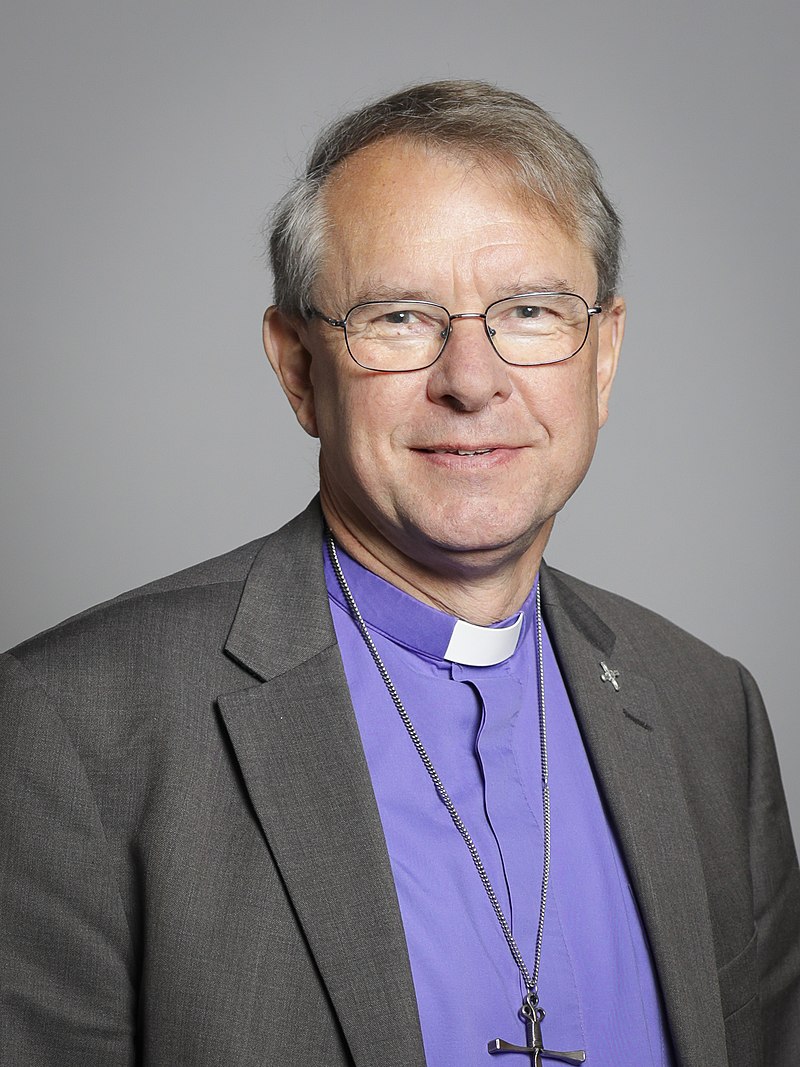
The Lord Bishop of Durham asked His Majesty’s Government, following the High Court ruling that the use of hotels to house unaccompanied asylum-seeking children is unlawful, what steps they will take to end the use of hotels for this purpose.
Lord Murray of Blidworth (Con, Home Office): Hotel accommodation is a temporary means to accommodate the increased number of unaccompanied asylum-seeking children (UASC) arriving in the UK and is only ever a contingency option, not a long-term solution. The high number of UASC arrivals, particularly because of small boat crossings, has placed unprecedented pressure on the National Transfer Scheme (NTS). Out of necessity, the Home Office have accommodated UASC on an emergency and temporary basis in hotels while placements with local authorities have been vigorously pursued.
The High Court recently ruled that the routine and systematic use of hotels to accommodate UASC is unlawful, and we are working at pace with Kent County Council, other government departments and local authorities across the UK to ensure suitable local authority placements are provided for UASC urgently and sustainably.
The High Court has upheld that local authorities have a statutory duty to care for all children including UASC. The Home Office have always maintained that the best place for UASC to be accommodated is within a local authority.
The Lord Bishop of Durham asked His Majesty’s Government what guidance or information they have issued to local authorities following the change to the move-on period for newly recognised refugees.
Lord Murray of Blidworth: An individual remains eligible for asylum support for a prescribed period from the day they are notified of the decision on their asylum claim. Where someone is given notice that their asylum claim has been granted, their appeal has been allowed or their asylum claim has been refused but they have been given leave to enter or remain, the prescribed period in legislation is 28 days. There has been no change to the prescribed period.
Individuals should make plans to move on from asylum support as quickly as possible. We offer support through Migrant Help or their partner organisation in doing this. This includes providing advice on accessing the labour market, on applying for Universal Credit and signposting to local authorities for assistance with housing. Newly recognised refugees are entitled to housing assistance from their local authority and are treated as a priority need if they have children or are considered vulnerable. Individuals do not need to wait for their BRP to make a claim for benefits and are encouraged to do so as early as possible if they require them.
We are ensuring our cross government partners, such as the (DWP) and the Department for Levelling Up, Housing and Communities (DLUHC) are sighted on data to enable them to consider the impacts of increased decision making and effectively plan. We are also working with DLUHC to ensure the right asylum decision data is being shared with local authorities to enable effective planning and to lessen the impact on existing homelessness and rough sleeping pressures. Our accommodation providers are directly working with local authorities to notify them when an individual is due to have their asylum support ended.
In March 2023 we shared data with local and central government that provided a national overview of the initial SAP clearance exercise down to Local Authority level. In August 2023 we shared a further heatmap that included an updated snapshot of all SAP cases, as well as those within the legacy cohort, providing a fuller picture of cases that could be made in each region, down to Local Authority level.
 The Church of England in Parliament
You must be logged in to post a comment.