
The Bishop of Durham received the following written answers on 29th November 2023:
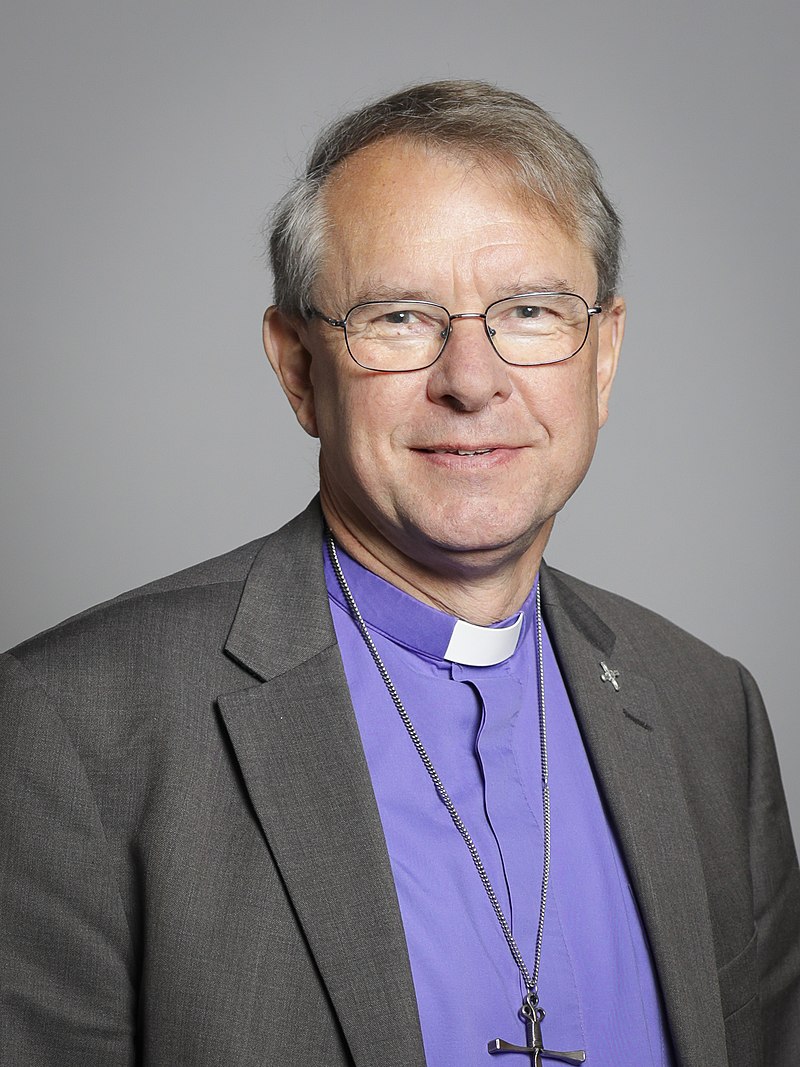
The Lord Bishop of Durham asked what steps they are taking over the immigration detention estate to ensure the use of force is continually monitored and recorded for all detainees, and particularly vulnerable adults and children.
Lord Sharpe Epsom (Con, Home Office): We will accept nothing but the highest standards from companies employed to manage the immigration removal estate.
Published guidance Detention Services Order 07/2016, and the training received by detainee custody officers (DCOs) makes it clear that physical force and restraint equipment must only be used as a last resort, and for the shortest possible time, and physical force will be used only after a thorough risk assessment and in consideration of each individual’s personal circumstances. Where restraints are used, they must be removed at the earliest opportunity.
The Home Office reviews all reports resulting from a use of force in detention to identify trends, ensure that techniques are used proportionally, are justified, and are only used for the minimum period required.
The Lord Bishop of Durham asked His Majesty’s Government whether they are planning to update (1) the Detention Centre Rules 2001, and (2) the Adults at Risk Policy; and if so, when and whether there will be a consultation on the changes proposed.
Lord Sharpe of Epsom: As set out by Lord Murray during the passage of the Illegal Migration Bill through parliament, the Home Office will be updating the Adults at risk in immigration detention policy to work with provisions in the Illegal Migration Act. Amendments to the statutory guidance will be laid before parliament by statutory instrument.
A separate, broader review of the Adults at risk policy is also currently being undertaken and includes reviewing Rule 34 and Rule 35 of the Detention Centre Rules 2001.
The Home Office values engagement with key stakeholders when developing its policies and is currently giving thought to how and with whom the engagement process will be undertaken in reviewing these important safeguarding measures.
The Lord Bishop of Durham asked His Majesty’s Government whether there are mechanisms available to extend the move-on period for an individual where the issuing of a biometric residence permit is significantly delayed following a letter granting refugee status.
Lord Sharpe of Epsom: Following the service of an asylum decision, an individual continues to be an asylum seeker for the purpose of asylum support until the end of the relevant prescribed period, also known as the ‘grace period’ or ‘move on period’. This period is 28 calendar days from when an individual is notified of a decision to accept their asylum claim and grant them leave. This period remains as 28 days and there are no plans to change this. Individuals are notified of this period in their grant letter.
Confirmation of the exact date an individual’s support and accommodation is due to end is issued in a ‘notice to quit’ (NTQ) or ‘notice to vacate’ (NTV) letter. This will either be at least 7 days from when the notice is issued, or the date on which the grace period comes to an end, whichever is the longest in date. A NTQ will only usually be issued once a person has been issued a biometric residence permit (BRP).
This means that individuals who receive a positive decision on their asylum claim are eligible to support and accommodation for at least 28 days from when their decision is served and that support usually will not end unless an individual has been issued with a BRP.
It’s important to note that individuals do not need to wait for their BRP to make a claim for benefits and are encouraged to do so as early as possible if they require them.
The Lord Bishop of Durham asked His Majesty’s Government whether any individual is responsible for carrying out a full risk assessment when implementing sharing of hotel rooms for asylum seekers to ensure vulnerable residents are safeguarded; and if so, who.
Lord Sharpe of Epsom: Our asylum accommodation service providers are responsible for ensuring that all accommodation complies with the standards and provisions set out in Schedule 2 of the Asylum Accommodation and Support Contracts (AASC) (opens in a new tab).
The sharing of rooms in Initial Accommodation (IA) is not new and we work with local authorities and their partners to minimise the impact on health and local services of any increases to occupancy within individual sites. All representation will be considered by the Home Office prior to any new asylum seekers being routed to additionally available beds.
When implementing room sharing, our providers will discuss the move with each individual and will encourage them to raise any safeguarding, medical or other issues which would mean room sharing is not appropriate. All personal circumstances will be considered before deciding if room sharing is suitable.
The Lord Bishop of Durham asked His Majesty’s Government what are the long-term plans for the use of Derwentside Immigration Removal Centre.
Lord Sharpe of Epsom: Derwentside immigration removal centre (IRC) which is currently a women only centre, will be converted into a detained facility for men in due course.
 The Church of England in Parliament
You must be logged in to post a comment.