
The Bishop of Chelmsford asked a question on government plans to improve the quality of existing housing in the UK on 11th January 2024, during a discussion on the government’s long term plan for housing:
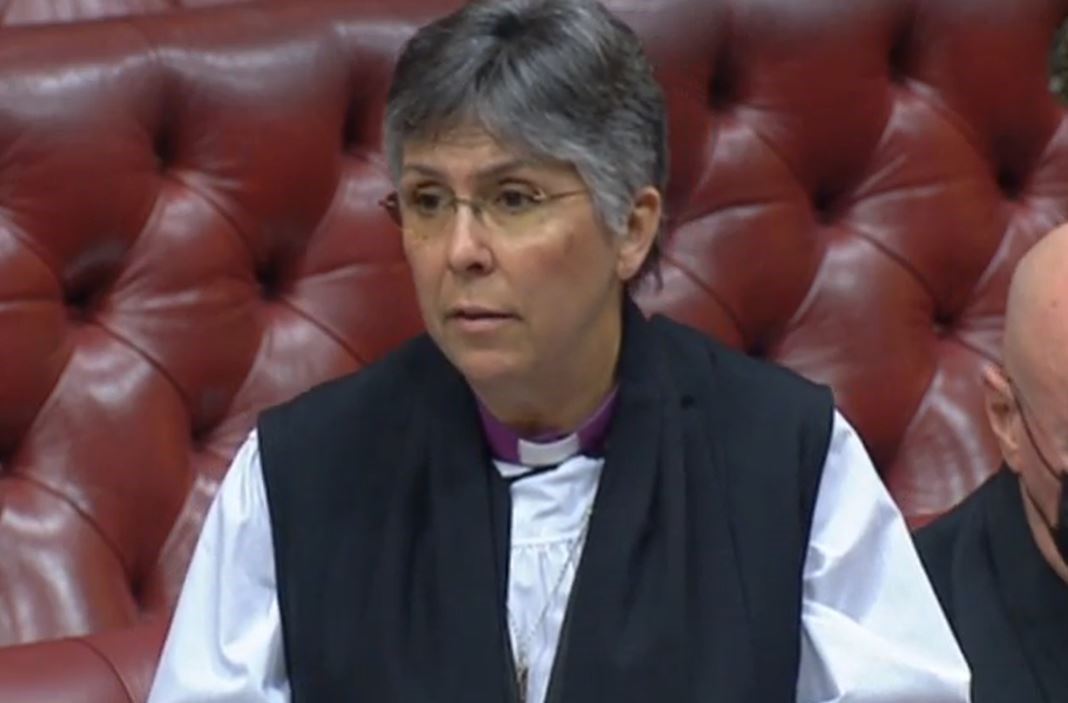
The Lord Bishop of Chelmsford: My Lords, the Archbishops’ Commission on Housing, Church and Community recommended that the Government adopt a long-term plan to address the scale of the housing crisis in the UK. I am glad to see that they have adopted the language of long-termism, as the UK’s housing has been held back by short-term planning and decision-making for far too long. However, I believe that such a plan must be holistic, taking into account all elements that make up a good housing strategy, with consideration of both new builds and existing buildings. What plans do the Government have to improve the quality of the homes that we already have, for example by undertaking a programme to upgrade EPC ratings, or by equalising the rate of VAT on repairs for existing houses with that for constructing new homes?
Baroness Penn (Con): My Lords, the right reverend Prelate is right that, when we consider the quality of people’s homes, we absolutely need to think about existing stock, not just new homes. When it comes to new homes, we have just launched the consultation on the future homes standard, which will have in place regulations that mean that all new homes built from 2025 onwards will need to be net-zero ready and have much higher levels of energy efficiency. They would most likely have heat pumps installed as a way to deliver those net-zero targets. When it comes to existing homes, we have a huge range of government support in place to support increased energy efficiency. A lot of that has focused initially on those on low incomes: for example, looking at social housing, there is the social housing decarbonisation fund. We are broadening that out to support other people too. We have the boiler upgrade grant, which allows people to replace their old boilers with heat pumps, with a significant proportion of those costs met by government. We have debated VAT a number of times in this House, but I will say that we have introduced a reduced rate of VAT for energy-efficiency measures, and we extended the scope of the measures that that covers in the most recent Autumn Statement.
 The Church of England in Parliament
You must be logged in to post a comment.