
On 14th February 2024, during a debate on the Safety of Rwanda (Asylum and Immigration) Bill, the Bishop of Bristol spoke in support of amendments 19, 21, 25 and 28 to the bill on behalf of the Bishop of Manchester, relating to the proper implementation of the Rwanda Treaty, and introducing further safeguards relating to verifying Rwanda’s safety:
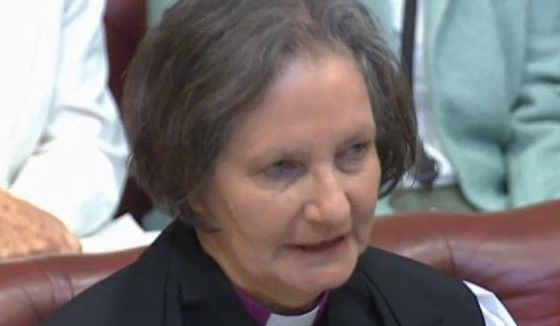
The Lord Bishop of Bristol: My Lords, my right reverend friend the Bishop of Manchester regrets that he cannot be here today to speak to Amendments 19, 21, 25 and 28 in the name of the noble Lord, Lord Carlile of Berriew, to which he has added his name. I am grateful to the noble Lord, Lord Anderson of Ipswich, for setting out the case clearly, and I am particularly grateful to follow the noble Lord, Lord Clarke of Nottingham, as he has made the case so powerfully.
My right reverend friend and I are concerned, not as lawyers but as citizens, about the constitutional precedent the Bill sets. The role of the judiciary as distinct from the Government and Parliament must not be infringed. Parliament creates laws but judges and juries are responsible for the finding of facts. Where the Supreme Court has ruled that Rwanda is not safe, it is an abuse of Parliament’s powers, as we have just heard, for it to attempt to declare otherwise.
We are concerned that the Bill represents a dangerous step. The amendments in the name of the noble Lord, Lord Carlile, therefore attempt to preserve the important principle that facts should be considered by the courts. We must surely be able to take into account credible evidence that Rwanda is not a safe country.
It is not unreasonable to consider, as we have just heard, that the situation on the ground in Rwanda might suddenly change, even if the treaty is properly put into effect to take into account the Supreme Court’s concerns. It is surely right that such a change could be considered in law. Not only is this a vital safeguard for potentially vulnerable people at risk of being sent to Rwanda; it is a vital safeguard for our democracy itself. We must be able to take credible evidence into account when managing any policy, be it on Rwanda or anything else, and we must not be in the habit of setting aside court verdicts we do not like by bringing forward legislation.
My right reverend friend the Bishop of Manchester has also added his name to the proposition put forward by the noble Viscount, Lord Hailsham, that Clause 2 should not stand part of the Bill. Removing this clause would remove the requirement that all decision-makers must treat Rwanda as a safe country. The amendments to which I have already spoken try to mitigate the implications of legislating that a country is safe ad infinitum, but in truth the courts, immigration officers and tribunals need the capacity to consider the facts about whether Rwanda is a safe country in general. Removing the clause altogether is the best way to do this and to maintain independent judicial oversight. My right reverend friend and I agree that this principle is fundamental to the rule of law and access to justice.
Many Members of this Committee have been clear that the most worrying aspect of this Bill, setting aside concerns for the safety of vulnerable people, is that it undermines the independent finding of fact by our own Supreme Court. Clause 2 is at the heart of this problem, as it legislates that Rwanda must be treated as a safe country regardless of the judgments of our independent courts. If the clause cannot be removed, amendments must be included to ensure that the courts can take new evidence into account.
 The Church of England in Parliament
You must be logged in to post a comment.