
The Bishop of St Albans received the following written answer on 30th April 2024:
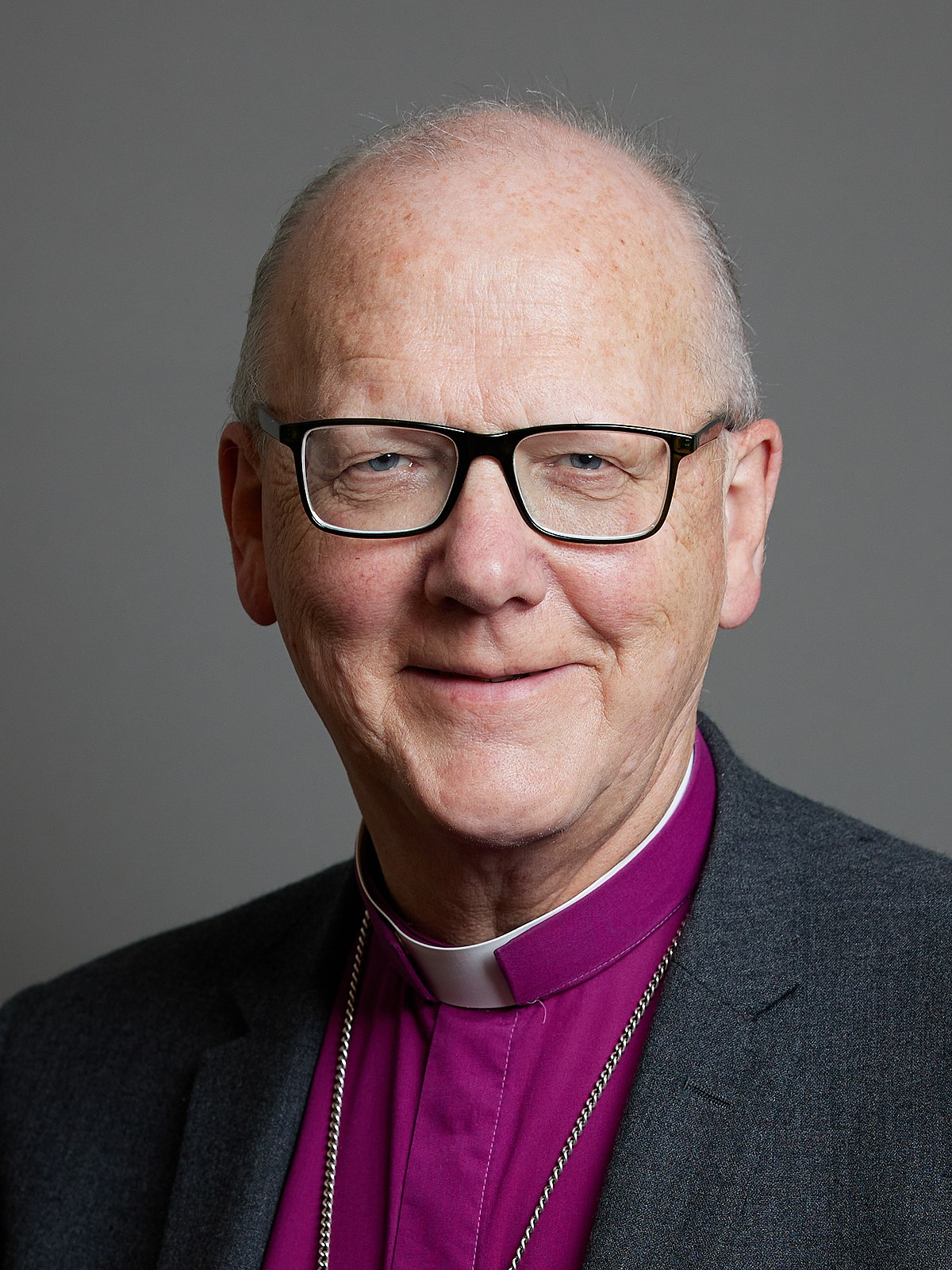
The Lord Bishop of St Albans asked His Majesty’s Government:
- how many community pharmacies in rural areas closed in (1) 2019, (2) 2020, (3) 2021, (4) 2022, and (5) 2023.
- what assessment they have made of the long-term financial viability of community pharmacies in rural areas.
Lord Markham (Con, DHSC): The below table shows the total number of community pharmacies that have closed and opened in rural areas in England, as defined by the Department for Environment, Food and Rural Affairs’ Guide to applying the Rural Urban Classification to data, each year from 2019 to 2023:
| Year | Number of rural pharmacies closed | Number of rural pharmacies opened |
| 2019 | 13 | 3 |
| 2020 | 6 | 1 |
| 2021 | 8 | 8 |
| 2022 | 8 | 3 |
| 2023 | 13 | 8 |
Community pharmacies are private businesses, contracted to provide National Health Service pharmaceutical services. My Rt hon. Friend, the Secretary of State for Health and Social Care is responsible for ensuring that patients can access medicines, and the Department is monitoring changes to the market closely. In areas where there are fewer pharmacies, the Pharmacy Access Scheme provides financial support to the pharmacies that are present.
Every three years, local authorities in England undertake pharmaceutical needs assessments for their areas, to ensure provision continues to meet their population’s needs. Integrated care boards have regard to those assessments when commissioning services, and where a pharmacy closure impacts access to services, a new contractor can apply to open a pharmacy in the area.
When a local pharmacy closes, patients can choose to access pharmaceutical services through any alternative pharmacy, including any of the over 400 distance selling pharmacies that are required to deliver medicines to patients free of charge. In some rural areas, doctors are permitted to dispense medicines.
 The Church of England in Parliament
You must be logged in to post a comment.