
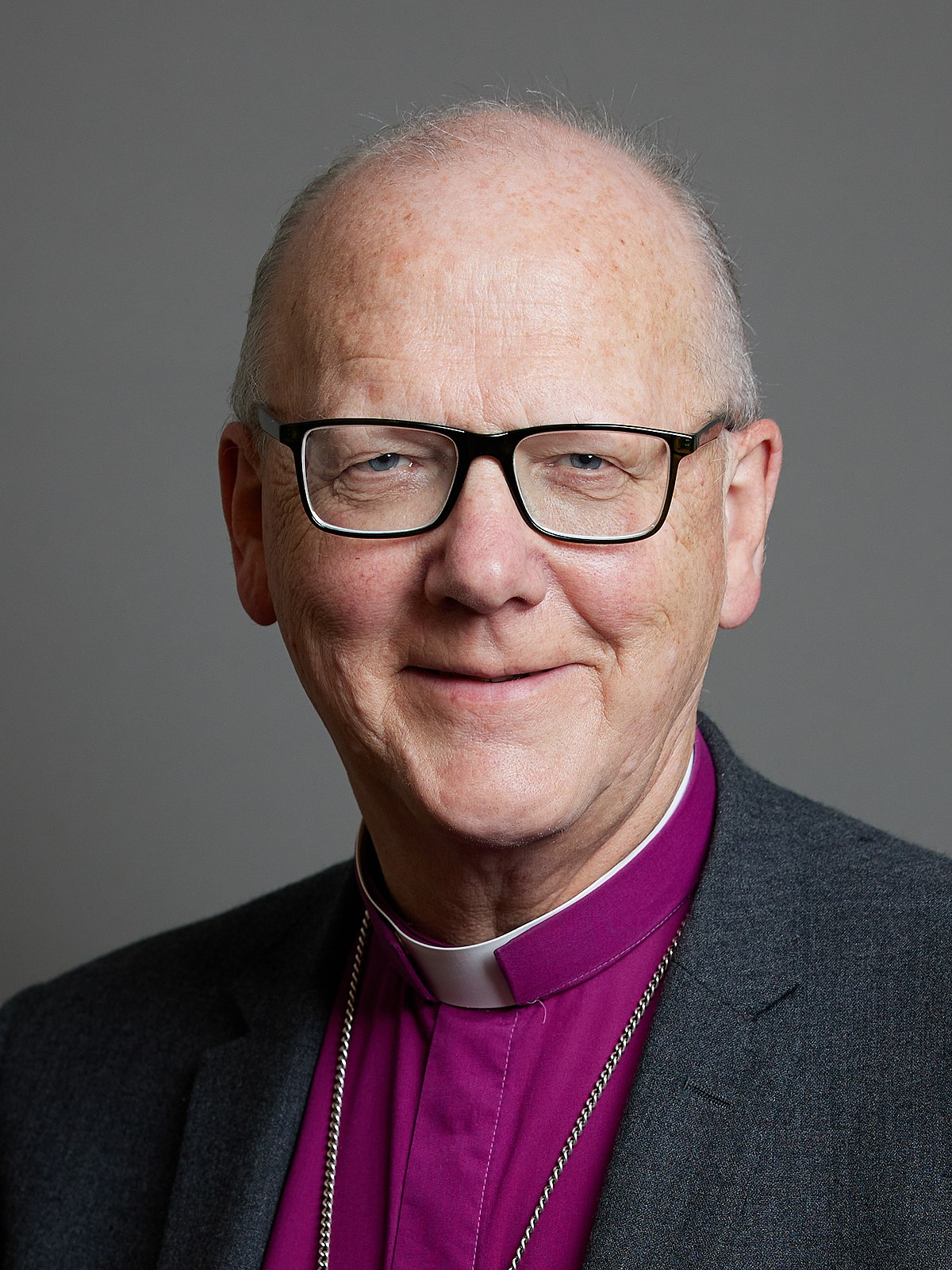
The Bishop of St Albans received the following written answers on 7th October 2024:
The Lord Bishop of St Albans asked His Majesty’s Government what steps they will take to support children growing up in households where an adult is experiencing problem gambling.
Baroness Twycross (Lab, DCMS): We recognise the impact harmful gambling can have on individuals and their families. The National Gambling Clinic (NGC) supports people aged 13 – 18 years old in England who are experiencing harm from gambling, and offers a Family and Friends service which provides support to those impacted by someone else’s difficulty with gambling.
As stated in the Government’s manifesto, we are committed to strengthening protections for those at risk. We will consider the best available evidence in future decisions regarding the fulfilment of that important commitment.
The Lord Bishop of St Albans asked His Majesty’s Government what assessment they have made of whether allowing the use of debit cards and digital payment wallets in land-based gambling venues will prevent (1) their closure, (2) a decline in revenue, or (3) job losses.
Baroness Twycross: The use of debit cards and digital payment wallets is currently permitted for a range of gambling and non-gambling activities in land-based gambling venues in Great Britain. The Gaming Machines (Circumstances of Use) Regulations 2007 prohibit the direct use of debit cards on gaming machines. The full regulations can be seen here: https://www.legislation.gov.uk/uksi/2007/2319/contents/made(opens in a new tab)
In our manifesto, we set out our intention to reduce gambling-related harm, strengthen protections for those at risk, and work with the industry to ensure responsible gambling. We are in the early stages of the new Government and are still considering the full range of gambling policy. We will consider the best available evidence from a wide range of sources to inform decisions on how best to fulfil our manifesto commitments.
The Lord Bishop of St Albans asked His Majesty’s Government what assessment they have made of the findings of GambleAware’s Annual GB Treatment and Support Survey 2023, published on 21 August.
Baroness Twycross: The Government is committed to using all the evidence available from a range of sources, including the GambleAware survey, to better understand the true picture of gambling behaviours and treatment in Great Britain.
We recognise the impact harmful gambling can have on individuals and their families and, as stated in the Government’s manifesto, we are committed to strengthening protections for those at risk. We will consider the best available evidence in future decisions regarding the fulfilment of that important commitment.
The Lord Bishop of St Albans asked His Majesty’s Government what assessment they have made of the finding in the report The State of the Arts, published by Campaign for the Arts and the University of Warwick on 22 July, that the UK has one of the lowest levels of government spending on arts and culture among European countries; and whether they intend to increase funding to local councils for local arts programmes.
Baroness Twycross: The Arts in the UK are funded by a mixture of direct national and local public funding, arm’s length funding, charitable giving, commercial income and tax reliefs but we recognise that all of these income streams have been under extreme pressure in recent years.
For instance, net expenditure on cultural services by local authorities – the largest funder of culture across England – has fallen by 42% in real terms between 2009-10 and 2022-23. Likewise, Arts Council England spent over £700 million in 2023/24 on supporting arts and culture, through a mix of grant-in-aid funding from government and proceeds from the National Lottery. But this was significantly less than in 2010.
We are grateful to the Campaign for the Arts for their work and are carefully examining the report. It is encouraging to read that 91% of adults in England engaged with the arts in person between October 2022 and December 2023, and 77% attended events, but concerning to read the report’s analysis that between 2018 and 2023 there was a 23% fall in the number of music, theatre, dance and comedy events in the UK.
The government will work with arm’s-length bodies and the cultural sector at large to understand their needs and the pressures on culture and creativity in the UK – and work to put them on a more sustainable footing.
 The Church of England in Parliament
You must be logged in to post a comment.