
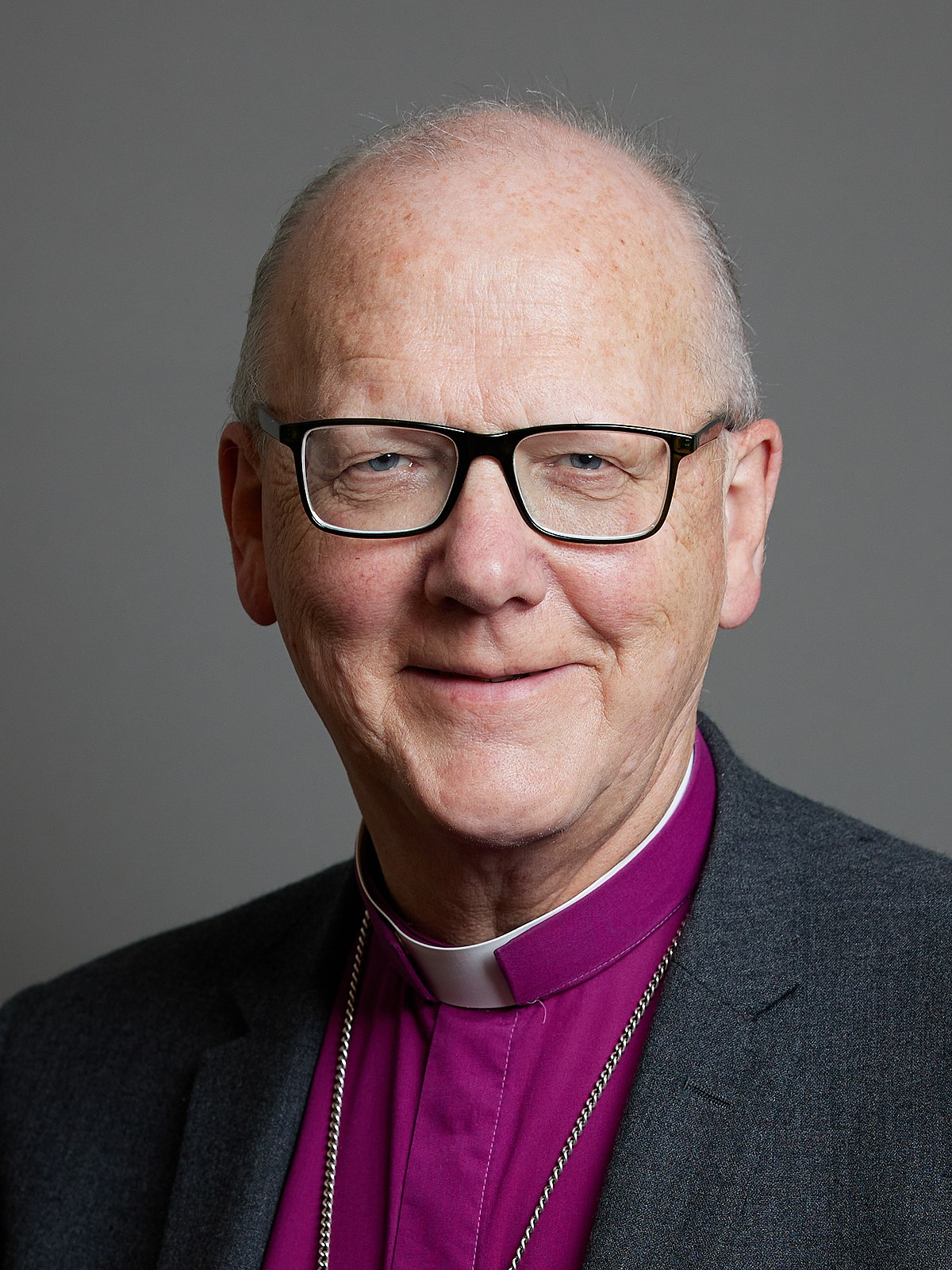
The Bishop of St Albans received the following written answers on 7th October 2024:
The Lord Bishop of St Albans asked His Majesty’s Government what assessment they have made of the risk of renewed violence in South Sudan during that country’s upcoming election.
Lord Collins of Highbury (Lab, FCDO): National-level conflict ended following the 2018 Peace Agreement, but pockets of armed conflict at the subnational level continue. This is exacerbated by the worsening humanitarian and economic crises, climate shocks and the impact of the war in Sudan. In August 2024, the Minister for Development urged the South Sudanese Government to make progress towards peaceful, credible and inclusive elections as the best means to achieve peace and stability.
The Lord Bishop of St Albans asked His Majesty’s Government what assessment they have made of the findings set out by UNICEF in their press release ‘Almost 300,000 Children Threatened by Severe Acute Malnutrition in Six Drought-Affected Countries in Southern Africa’, published on 25 July; and whether they intend to provide additional aid in response to that drought.
Lord Collins of Highbury: Severe drought has tipped Southern Africa into a food security crisis. In response, the UK is adapting existing programmes to support national responses and deploying technical assistance to affected countries, including a regional adviser to improve humanitarian risk analysis and coordination. The UK is a major contributor to pooled humanitarian funds which have allocated over £35 million to tackle drought. We are a founding member and donor of Africa Risk Capacity, which has provided timely disaster risk financing payouts to member states, and of the Child Nutrition Fund, which supports the detection, prevention and treatment of Severe Acute Malnutrition.
The Lord Bishop of St Albans asked His Majesty’s Government what further steps they will take to tackle drug-resistant sepsis in sub-Saharan Africa.
Lord Collins of Highbury: Over 1 million people die every year from drug-resistant sepsis. The UK Government is supporting action, through its multilateral, bilateral and research investments, to combat antimicrobial drug resistance. This includes support to the Global Fund and Gavi. The UK’s Fleming Fund programme is also strengthening drug-resistance surveillance systems, building more than 260 surveillance centres, in eleven partner countries in sub-Saharan Africa. We must continue to scale up global efforts and that is why the UK is working to secure an ambitious agreement at the High-Level Meeting on Antimicrobial Resistance on 26 September.
The Lord Bishop of St Albans asked His Majesty’s Government what further steps they will take to tackle starvation in Sudan.
Lord Collins of Highbury: The conflict between the Sudanese Armed Forces and Rapid Support Forces has created a humanitarian disaster in Sudan, with over 9 million people facing emergency or famine like conditions. On 1 August, the Foreign Secretary tweeted to highlight the findings of the IPC Famine Review Committee that famine existed in Northern Darfur’s Zamzam IDP camp, and there was a high likelihood of its presence elsewhere. He also reiterated that the use of starvation as a weapon of warfare is a war crime. On 6 August, the UK, as United Nations Security Council (UNSC) penholder on Sudan, called an urgent Council session to discuss the findings. On 22 August, the Minister for Development announced an additional £15 million of vital assistance to Sudan, South Sudan and Chad to support vulnerable people forced to flee violence and seek safety. This brings the UK’s ODA for Sudan this year to £97 million, most of which is vital humanitarian assistance.
The Lord Bishop of St Albans asked His Majesty’s Government what assessment they have made of the human rights implications of the removal of the Ngorongoro division in Tanzania from the voters’ register.
Lord Collins of Highbury: On 22 August, the Arusha High Court suspended the Government of Tanzania’s notice which ordered the dissolution of wards, villages and hamlets in Ngorongoro district. The following day the Tanzanian authorities confirmed that service provision including voting rights in upcoming local elections would be restored.
The British High Commission in Dar es Salaam meets regularly with community leaders and civil society representatives on this issue. We will continue to monitor the situation closely and encourage relevant parties to engage in meaningful dialogue.
The Lord Bishop of St Albans asked His Majesty’s Government what assessment they have made of the use of drones to target Rohingya in Myanmar.
Baroness Chapman of Darlington (Lab, FCDO): We are aware of reports of the Rohingya community being targeted by drones and other weaponry in Rakhine state. The impact of the increased conflict on all communities in Rakhine is of deep concern, and we are monitoring this escalation closely. We continue to call for the protection of civilians and the need for unhindered humanitarian access to ensure support can reach those most vulnerable. We have also reinforced the need for independent investigations into attacks to ensure perpetrators are held to account. The UK supports the work of organisations such as Myanmar Witness and the Independent Investigative Mechanism for Myanmar in collecting evidence of atrocities committed against the Rohingya and other vulnerable ethnic groups in Myanmar.
The Lord Bishop of St Albans asked His Majesty’s Government, further to the Written Answer by Baroness Chapman of Darlington on 31 July (HL93), which countries they have sanctioned for providing arms to the Myanmar military.
Baroness Chapman of Darlington: Since the start of the coup, the UK has imposed sanctions on 25 individuals and 33 entities under the Myanmar Sanctions Regulations 2021. These sanctions include a number of Russian companies, involved in supplying equipment to the Myanmar armed forces. The UK has also sanctioned individuals and entities who have facilitated weapons and equipment to the Myanmar armed forces from Russia and Belarus. We continue to keep the use of sanctions under review to reduce the Myanmar military regime’s access to finance, arms and equipment.
 The Church of England in Parliament
You must be logged in to post a comment.