
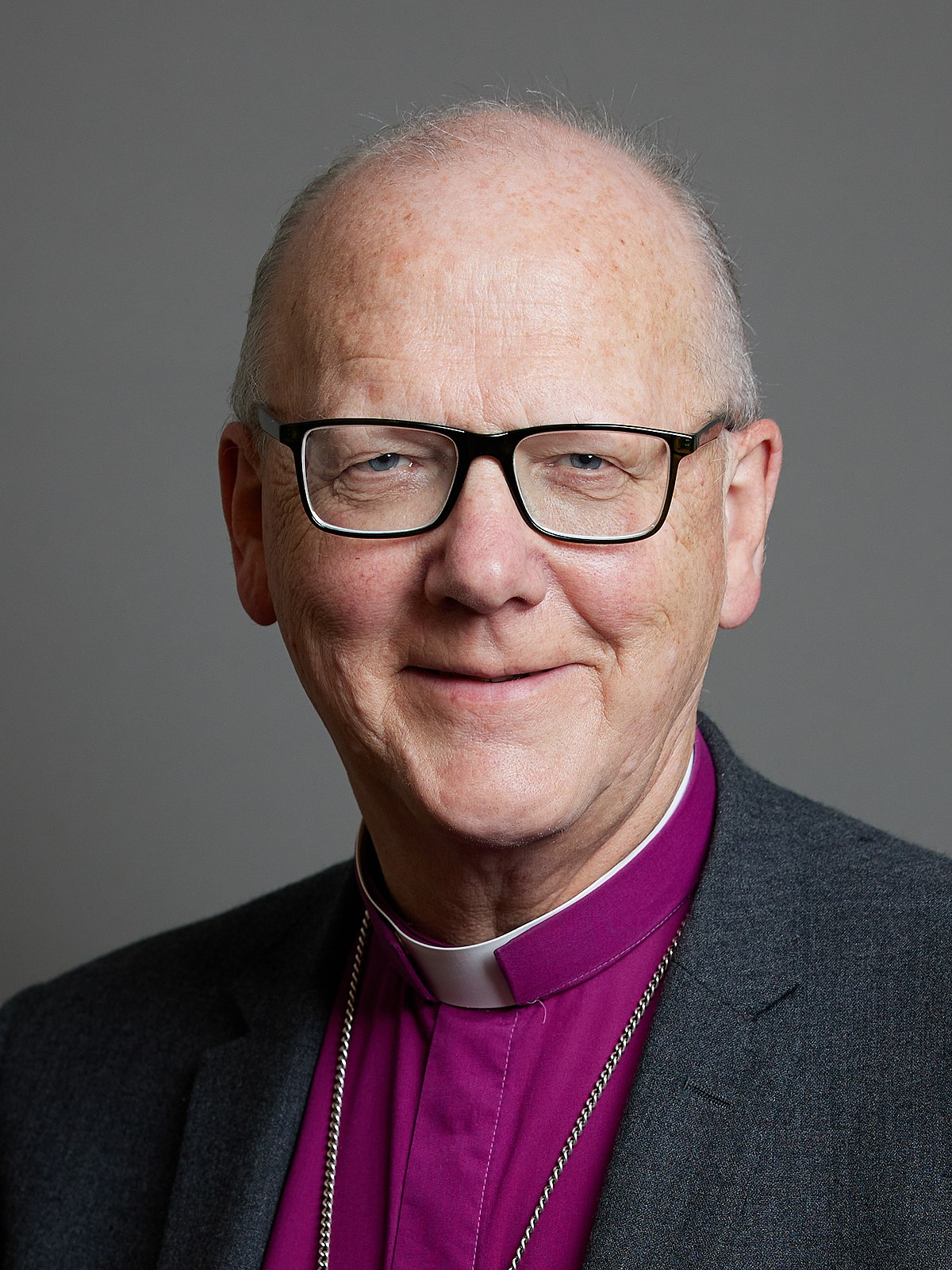
The Bishop of St Albans received the following written answers on 24th October 2024:
The Lord Bishop of St Albans asked His Majesty’s Government, with regard to the finding in the Christians Against Poverty report Under the rubble of debt and poverty, published in May, that 59 per cent of their new clients had incomes below the poverty line, what steps they will take to reduce the number of individuals living below this threshold.
Baroness Sherlock (Lab, DWP): This government is committed to tackling poverty.
We know that good work can significantly reduce the chances of people falling into poverty so alongside social security this will be the foundation of our approach. The Get Britain Working White Paper, to be set out in the Autumn, will develop measures to reduce inactivity and help people to find better paid and more secure jobs. Alongside this, we have committed to reviewing Universal Credit by listening to the full range of views on potential changes, so that our social security system is fit for purpose.
We promised concrete actions in our manifesto to support children and families which is why we announced our ministerial taskforce on the 17th July, jointly chaired Work and Pensions and Education Secretaries, to begin work on an ambitious Child Poverty Strategy, to reduce child poverty, tackle the root causes, and give every child the best start in life. The Taskforce will publish the Child Poverty Strategy in Spring 2025 and will explore all available levers to drive forward short and long-term actions across government to reduce child poverty.
We will also take initial steps to tackle poverty by introducing free breakfast clubs in every primary school, so children don’t go hungry, protecting renters from arbitrary eviction and banning exploitative zero hours contracts. As well as this, we announced funding to extend the Household Support Fund (HSF) in England for a further 6 months, from 1 October 2024 until 31 March 2025. An additional £421 million will be provided to enable the extension of the HSF in England, plus funding for the Devolved Governments through the Barnett formula to be spent at their discretion, as usual. As has been done for previous schemes, the Fund is available to County Councils and Unitary Authorities in England to provide discretionary support to those most in need with the cost of essentials.
The Lord Bishop of St Albans asked His Majesty’s Government, further to the Christians Against Poverty briefing paper Deficit budgets: The cost to stay alive, published in September:
- what steps they are taking to address the impact of deficit budgets on the mental and physical health of those affected.
- what steps they are taking to increase access to financial advice and debt management services for those experiencing deficit budgets.
- what assessment they have made of the finding in that paper that 82 per cent of Christians Against Poverty coaches have seen an increase in the number of clients with deficit budgets in the past year; and what steps they are taking in response.
Baroness Sherlock: We are committed to tackling poverty and good work will be the foundation of our approach.
We know that good work can significantly reduce the chances of people falling into poverty, but too many people are being denied the security and dignity that comes with being in good work. The Get Britain Working White Paper, to be set out in the Autumn, will develop measures to reduce inactivity and help people to find better paid and more secure jobs.
Tackling child poverty is at the heart of this Government’s mission to break down barriers to opportunity. The Child Poverty Taskforce has started urgent work to publish the Child Poverty Strategy in Spring 2025 and will explore all available levers to drive forward short and long-term actions across government to reduce child poverty. This will include listening to the voices of children living in poverty and their families.
We need a modern and effective social security system that is fit for purpose which is why we have committed to reviewing Universal Credit and listening to the full range of views on potential changes.
For those most in need, we have extended the Household Support Fund (HSF) for a further 6 months, from 1 October 2024 until 31 March 2025. An additional £421 million will be provided to enable the extension of the HSF in England, plus funding for the Devolved Governments through the Barnett formula to be spent at their discretion, as usual. As has been done for previous schemes, the Fund is available to County Councils and Unitary Authorities in England to provide discretionary support to those most in need with the cost of essentials.
The Money and Pensions Service, an arm’s-length body sponsored by DWP, supports those most in need to improve their financial wellbeing. Working collaboratively across the UK, it aims to ensure that customers can access high-quality money advice guidance and debt advice how and when they need it through its free MoneyHelper service.
 The Church of England in Parliament
You must be logged in to post a comment.