
The Bishop of St Albans received the following written answers on 2nd December 2024:
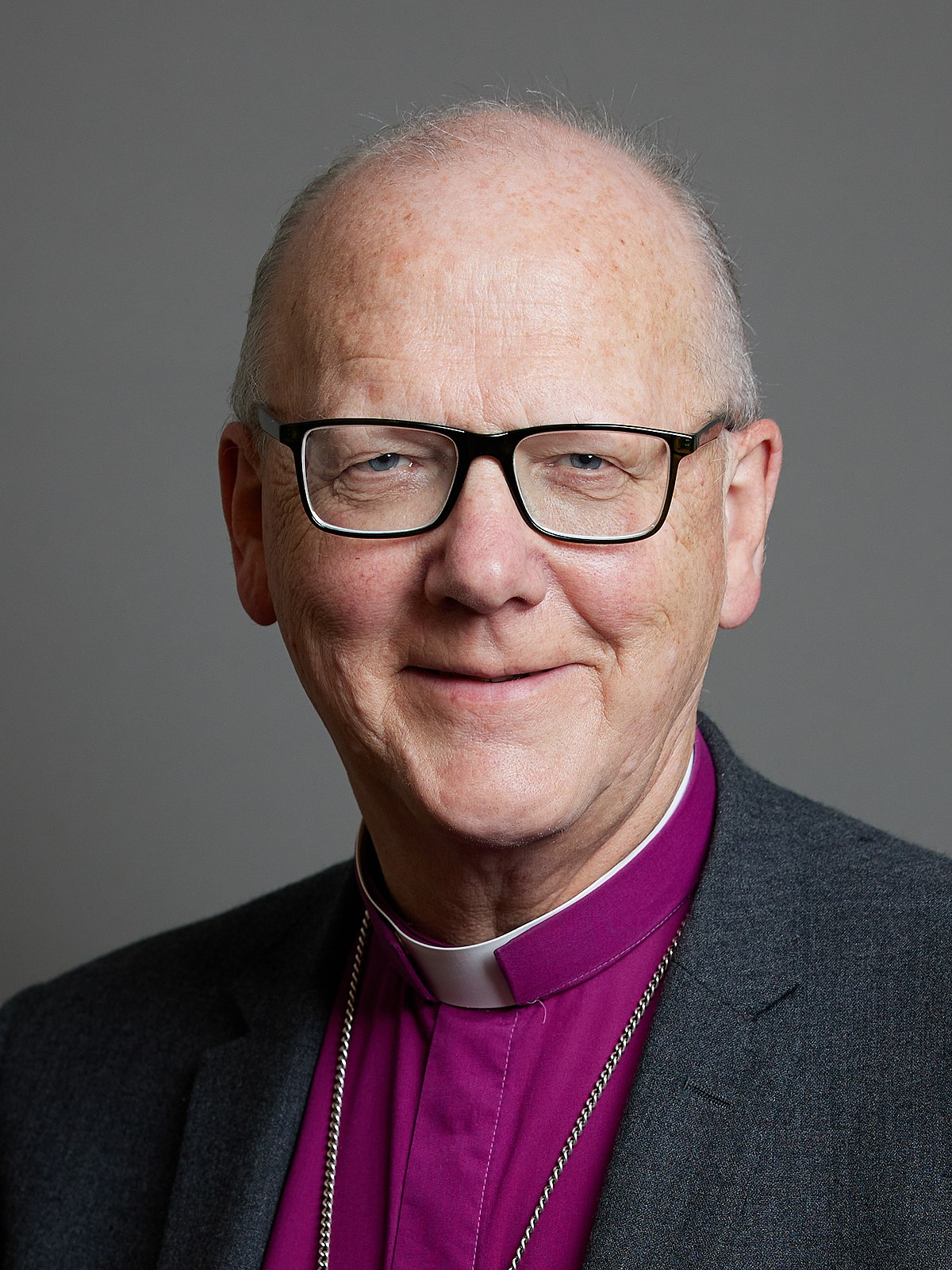
The Lord Bishop of St Albans asked His Majesty’s Government what assessment they have made of introducing an arts premium to allow for schools to pay for arts opportunities such as music lessons, as recommended in the report by the Sutton Trust, A class Act: Social mobility and the creative industries, published on 13 November.
Baroness Smith of Malvern (Lab, DCMS): The government believes that creative subjects like arts, music and drama are vital elements of the rounded and enriching education that every child deserves. Arts and music should not be the preserve of a privileged few, in or beyond the classroom.
The government has established an independent Curriculum and Assessment Review, covering ages 5 to 18, chaired by Professor Becky Francis CBE. The review will seek to deliver a curriculum which is rich and broad, so that children and young people get a excellent foundation in the core skills of reading, writing and mathematics whilst ensuring they do not miss out on subjects such as music, arts, sport and drama, as well as vocational subjects.
This government does not currently plan to introduce an arts premium. However, the department continues to make significant investment in arts and music, over and above core school budgets. The department has already confirmed £79 million in revenue funding this academic year for Music Hubs, which support music education in 90% of primary schools and 82% of secondary schools in England, alongside capital funding of £25 million for musical instruments and equipment. The department has also confirmed more than £30 million for the Music and Dance Scheme this academic year, so it can continue to remove financial barriers to specialist music and dance education for children whose families could not otherwise afford it. The department has also recently announced a new £2 million initiative for the Music Opportunities Pilot over four years, supporting disadvantaged children to learn a musical instrument or to sing.
The Lord Bishop of St Albans asked His Majesty’s Government what plans they have, if any, to ban creative arts institutions and conservatoires that receive state funding from charging for auditions, as recommended in the Sutton Trust’s report A class Act: Social mobility and the creative industries, published on 13 November.
Baroness Twycross (Lab, DWP): Creative education and a career in the Creative Industries should never be the preserve of a privileged few. The Government will support the aspiration of every person who wants to go to further and higher education. Universities and conservatoires are autonomous bodies, independent from government and are responsible for their own admissions decisions. Where providers deem it necessary for applicants to undertake auditions, interviews or other admissions tests, it is their responsibility to ensure these additional admissions processes are not creating or reinforcing barriers to opportunity and the ways they will ensure this are detailed in their Access & Participation plans.
 The Church of England in Parliament
You must be logged in to post a comment.