
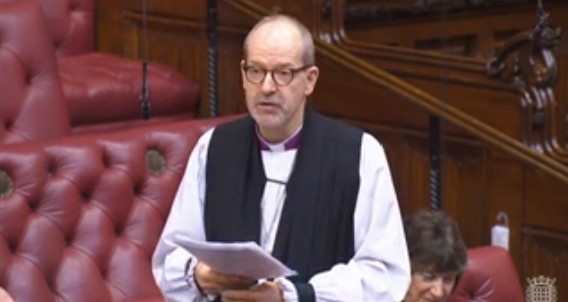
The Bishop of Hereford tabled a question on ensuring that agricultural policies improve the profitability and long-term viability of small farming enterprises on 1st December 2025:
The Lord Bishop of Hereford: To ask His Majesty’s Government what steps they are taking to ensure that agricultural policies improve the profitability and long-term viability of small farming enterprises.
Lord Katz (Lab, Government Whip): My Lords, we have allocated £11.8 billion this Parliament to sustainable farming and food production, targeting public money where it delivers most value. We are making supply chains fairer to ensure that farmers, particularly smaller farmers who can be most exposed to market pressures, are protected in their contracts, while unlocking new markets for British produce. We are reviewing the profitability review recommendations from the noble Baroness, Lady Batters, and developing our 25-year farming road map for England.
The Lord Bishop of Hereford: I thank the Minister for his Answer. Farming is a long-term business, and long-term strategic planning is necessary for profitability. Yet we have seen over the course of the past 18 months the devastating effect of the withdrawal of the sustainable farming incentive and the very serious effects of the changes in APR and BPR on long-term planning. While it is welcome that the sustainable farming incentive will be reopened in the first half of 2026, we still as yet have no details of what that initiative will be. Can the Minister let the House know when the details will be released?
Lord Katz: I thank the right reverend Prelate for his question. He is right to say that the Government are committed to farming, food security and nature recovery through a number of different environmental and land management schemes, including the sustainable farming incentive. He will be aware that the current scheme was closed last March, but it is fair to say that all agreements agreed to under previous iterations of the scheme are still live. It pays farmers to adopt and maintain sustainable farming practices that can protect and enhance the natural environment, alongside food production, and support farm productivity. We are determined to get this right. It is worth noting that only 40,000 of a potential 100,000 farming businesses took up the scheme under previous iterations, so it is really important that we get it right. We are determined to ensure that every farmer takes a look at the new scheme when we do, and we will obviously keep the House updated as to its publication.
 The Church of England in Parliament
You must be logged in to post a comment.