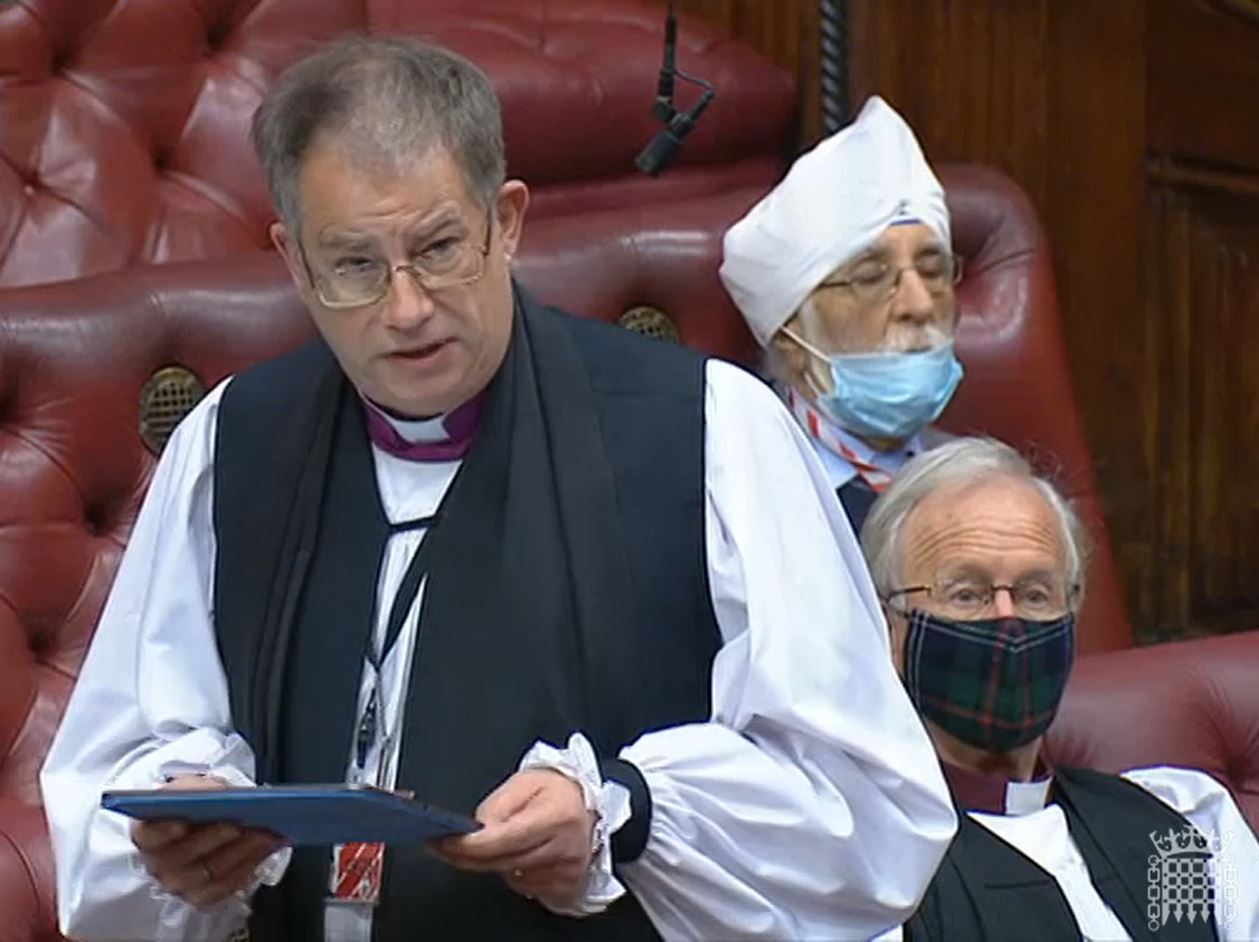
Bishop of Manchester asks a question on Finland and Sweden

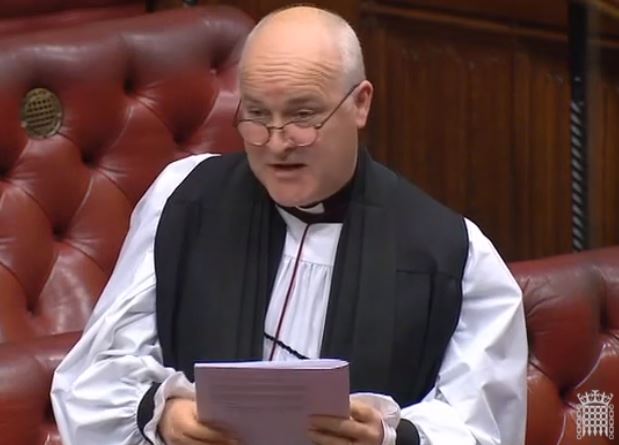
The Bishop of Manchester asked a question during a debate on the war on NATO Accession for Sweden and Finland on 7th July 2022:

The Lord Bishop of Manchester: My Lords, Manchester, and specifically my diocese, has a long and close relationship with the Tampere diocese in central Finland. My friends there leave me in no doubt about how much it meant to Finland to gain its independence from Russia a century ago. Tampere itself has even more recent experience of Russian aggression: it was on the receiving end of considerable bombing in 1939. In welcoming from these Benches the decisions of Finland and Sweden to join NATO, it is noteworthy that they both do so from previous positions of neutrality. Could I invite the Minister to tell us what wisdom, experience and skills, building on that historically neutral perspective, he believes Finland and Sweden will bring to strengthen our vital defensive alliance?

Continue reading “Bishop of Manchester asks a question on Finland and Sweden”

Bishop of St Albans speaks in a debate on Malaria and Neglected Tropical Diseases

On 7th July 2022, the House of Lords debated the question of global control of malaria and neglected tropical diseases. The Bishop of St Albans spoke in the debate:

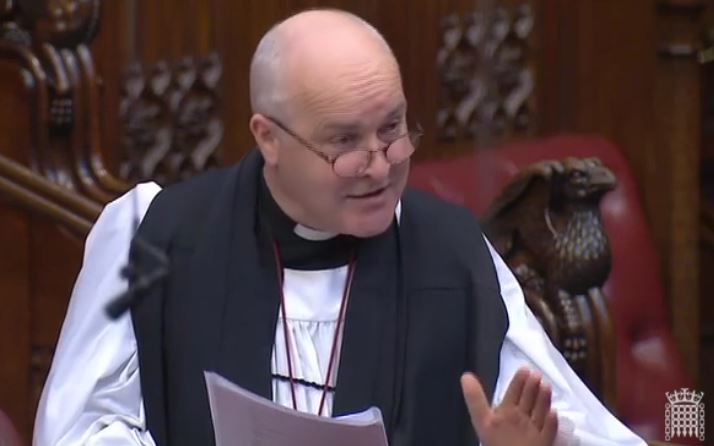
The Lord Bishop of St Albans: My Lords, I thank the noble Lord, Lord Trees, for obtaining this important debate on a subject that really needs to be before your Lordships’ House more frequently and deserves a much higher profile. This is a topic of some interest to me because one of my colleagues, the Bishop of Hertford—last week, he became the Bishop of Bath and Wells—is a professional epidemiologist. I hope that he will be in this House in a few years, because he has spent a lot of his time—even though he has been a bishop—in Africa working on a variety of things such as malaria and Ebola. Thanks to him, I have become increasingly aware of just how important this area is and, as we come out of Covid, how vital it is that we grow human capital in these regions.

It was said to me that rather than calling them “neglected tropical diseases” it would be more apt to call them “tropical diseases of neglected peoples”, given the global economic status of their victims. While I am conscious that malaria is specifically referenced in this debate and that NTDs include a host of serious bacterial and viral infections, I want to focus my brief comments on the parasitical infections within the NTD umbrella, as these are really diseases of poverty. Parasitical infections such as worms are in many cases caught because of the social context in which people are living—poor sanitary conditions, lack of clean water and the inability to store or consume food safely. It is therefore no surprise that deworming programmes are a huge part of the global effort to combat NTDs.

Continue reading “Bishop of St Albans speaks in a debate on Malaria and Neglected Tropical Diseases”

Bishop of Leeds asks about security following Salisbury poisoning

The Bishop of Leeds asked the following question on 7th July 2022, during Lords exchanges on the Prime Minister’s meeting with Alexander Lebedev:

The Lord Bishop of Leeds: My Lords, if I am right, the visit to Alexander Lebedev came in the wake of the Skripal poisoning in Salisbury, which involved two Russian agents bringing, effectively, a chemical weapon through Heathrow, a commercial airport. Can the Minister give any assurance it could not happen again, and what assessment have the Government made of that episode and the dangers it caused for potentially thousands of people?

Continue reading “Bishop of Leeds asks about security following Salisbury poisoning”

Bishop of St Albans calls for action on sewage disposal in rivers and coastal waters

On 7th July 2022, the House of Lords debated a motion put forward by Lord Oates on Sewage Disposal in Rivers and Coastal Waters. The Bishop of St Albans spoke in the debate – the Bishop’s speech is below along with contributions by other peers:

The Lord Bishop of St Albans: My Lords, I too thank the noble Lord, Lord Oates, for achieving this important debate. Many of the horrifying facts and statistics have been laid out with great clarity before your Lordships’ House.

I live in the city of St Albans, which is built next to the ancient Roman city of Verulamium. We have a 17-mile chalk stream which runs through the city called the River Ver, based on its Roman name; it flows eventually into the River Colne. We have a thriving local group of activists, the Ver Valley Society, which was set up and continues to work with great vigour to protect this really important chalk stream—it is really a stream rather than a river.

In 2021, the sewage treatment works at the top of the river spilled for 2,646 hours—just over 100 hundred days, so nearly a third of the year. Not only was that appallingly bad for this unique ecosystem—chalk streams and chalk rivers are mainly found here in this country—it was also bad because of the residual nitrate in the aquifer and it has led to a very poor state of the chalk stream. Insects at the bottom of the food chain are not as plentiful as they once were. Likewise, aquatic plant life is also suffering. It is unacceptable for this lovely, delightful small river, that many of us walk along regularly for leisure, that goes through our park, to be treated so badly.

Continue reading “Bishop of St Albans calls for action on sewage disposal in rivers and coastal waters”

Bishop of Manchester asks a question on the Food Strategy White Paper

On 7th July, the House of Lords discussed the Food Strategy White Paper. The Bishop of Manchester asked the following question:

The Lord Bishop of Manchester: My Lords, the National Food Strategy that was produced last year found that the UK’s current appetite for meat was unsustainable and that the intake needed to fall by 30% within 10 years to help the environment. I would be grateful if the Minister could clarify what role exists for vegetarian and vegan food in the Government’s strategy. It does not appear to be set out, not least when it comes to aligning with the Government’s net-zero strategy.

Continue reading “Bishop of Manchester asks a question on the Food Strategy White Paper”

Bishop of St Albans asks about food security in Afghanistan

The Bishop of St Albans received the following written answer on 7th July 2022:

The Lord Bishop of St Albans asked Her Majesty’s Government what assessment they have made of the food security crisis in Afghanistan and the prospect of famine.

Continue reading “Bishop of St Albans asks about food security in Afghanistan”

Bishop of St Albans asks about aid to Afghanistan

The Bishop of St Albans received the following written answer on 7th July 2022:

The Lord Bishop of St Albans: To ask Her Majesty’s Government how much aid they have provided to Afghanistan since 1 January.

Continue reading “Bishop of St Albans asks about aid to Afghanistan”

Bishop of Manchester speaks in a debate on immigration and nationality

On 6th July 2022, the House of Lords discussed charges associated with processing citizenship cases involving children. The Bishop of Manchester spoke in the debate:

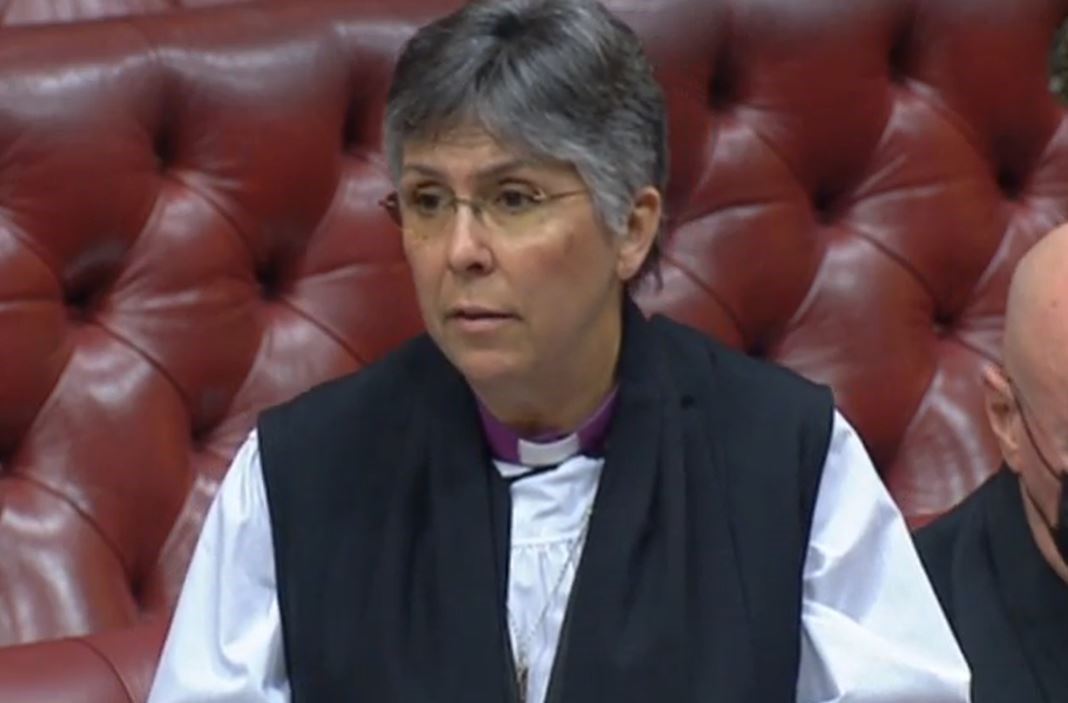
The Lord Bishop of Manchester: My Lords, I thank the noble Baroness for giving us the opportunity to hold this short debate. The matters she raises are serious and require urgent address.

Greater Manchester—the Minister knows and loves it as much as I do—is a very diverse city region. Many of those who contribute to its flourishing and growth are families whose origins lie elsewhere. The children of those families enrich the life of our schools, including the 190-plus Church schools that educate over 60,000 children every day, often in the poorest communities. While these children rejoice in the distinctive heritage of their ancestral culture, and offer its riches to us, they are being brought up to be as British as I am. They know no other home. They are not immigrants—as the noble Baroness has said, we must not confuse the asserting of citizenship with immigration—they are British. They simply need to clarify that legally.

Ideally, I would not put a price on citizenship; it is far too precious. However, if a charge has to be made, it seems invidious to pitch it at a level where over half of the revenue is pure profit. Indeed, the profit levels might set the mouths watering of some of those who notoriously have milked our public coffers through the charges they have exacted for substandard PPE equipment—but perhaps that is for another day.

Continue reading “Bishop of Manchester speaks in a debate on immigration and nationality”

Bishop of St Albans asks about Afghan resettlement scheme numbers, housing and employment

The Bishop of St Albans received the following written answer on 6th July 2022:

The Lord Bishop of St Albans asked Her Majesty’s government:

  • how many Afghan citizens have arrived in the UK under the Afghan Citizens Resettlement Scheme in each month since 1 January.
  • how many Afghan citizens who arrived under the Afghan Citizens Resettlement Scheme since 1 January have been permitted to seek employment.
  • how many Afghan citizens who arrived under the Afghans Citizens Resettlement Scheme since 1 January are still in temporary accommodation.
Continue reading “Bishop of St Albans asks about Afghan resettlement scheme numbers, housing and employment”

Bishop of St Albans asks about the UK Infrastructure Bank

The Bishop of St Albans received the following written answer on 5th July 2022:

The Lord Bishop of St Albans asked Her Majesty’s Government whether the UK Infrastructure Bank, as a private company wholly owned by HM Treasury, will be subject to the same rural proofing guidance as government departments.

Baroness Penn (Con): The UK Infrastructure Bank has a dual mandate of supporting local and regional economic growth and tackling climate change, and it will support projects across the country. Its priority sectors include digital and clean energy infrastructure which may benefit rural areas in particular UKIB’s recently published Strategic Plan also notes that there are complex rural-urban disparities, and that infrastructure investment can help to address these.

Continue reading “Bishop of St Albans asks about the UK Infrastructure Bank”