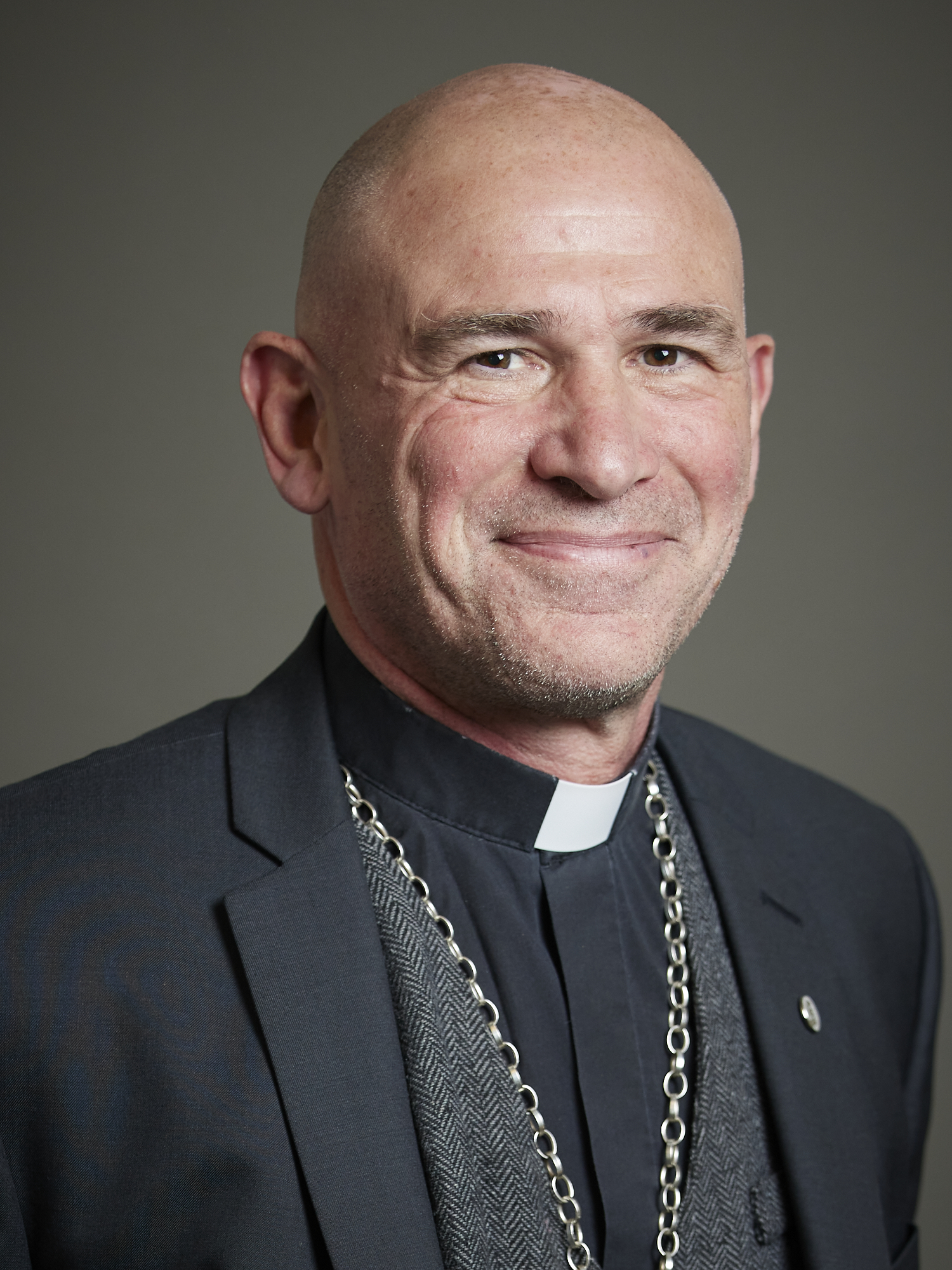
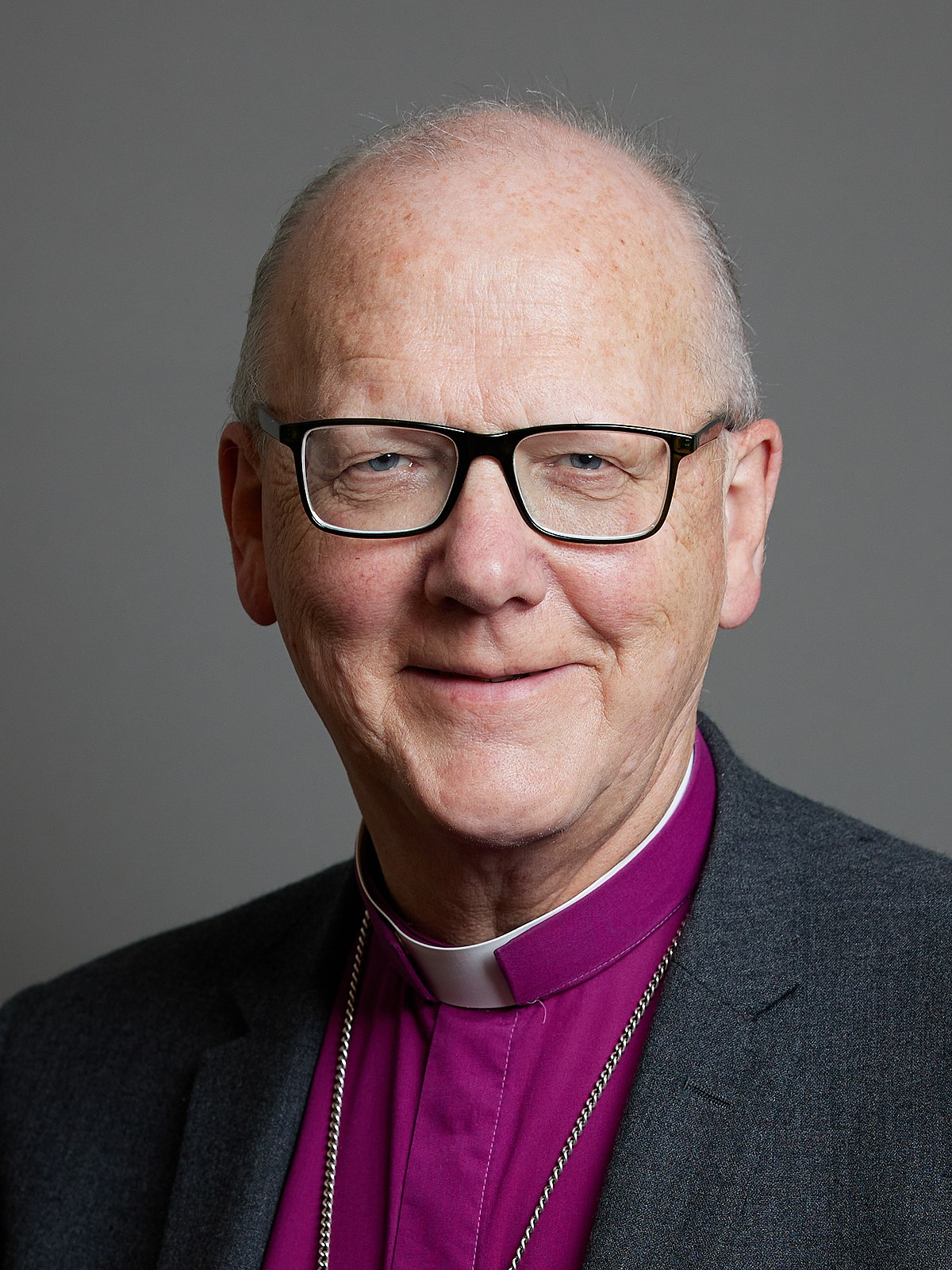
Bishop of Sheffield asks about further education partnerships and ECHR education in schools

The Bishop of Sheffield received the following written answers on 13th October 2025:

The Lord Bishop of Sheffield asked  His Majesty’s Government what assessment they have made of the extent to which the origins and contents of the European Convention on Human Rights and the European Court of Human Rights are taught in primary and secondary schools in England.

Continue reading “Bishop of Sheffield asks about further education partnerships and ECHR education in schools”

Bishop of St Albans speaks on theological background for human rights law

The Bishop of St Albans spoke in a debate marking the 75th anniversary of the European Convention on Human Rights on 20th March 2025:

The Lord Bishop of St Albans: My Lords, I too add my thanks to the noble Lord, Lord Alton, for bringing this debate and for his speech. I am not going to explore the legal implications, but want to make a few theological points, if I may. I want to comment on the origins of the spring from which these ideas first came, how it developed into a stream and then a river, and how still today our understanding of rights and responsibilities is developing.

The noble Lord, Lord Lilley, is right. It goes back to those early chapters of Genesis. In fact, you could go back to the Code of Hammurabi, 1,700 years before Christ, but let us go back to the Ten Commandments, where we find the creation narratives where humankind is created in God’s image. It is about the inherent dignity that belongs to each and every person, not dependent on sex, wealth, education or any other differentiation. This is implied in the Ten Commandments and is developed further in passages such as Deuteronomy 10, where God defends the cause of the fatherless and the widow and loves the stranger in the land. It is why the prophet Isaiah urges the people of God to seek justice, correct oppression, defend the fatherless and plead for the widow.

Continue reading “Bishop of St Albans speaks on theological background for human rights law”

Bishop of Southwark asks about membership of the ECHR:

The Bishop of Southwark asked a question on the value of ongoing membership of the ECHR on, particularly pertaining to the continuation of the Belfast agreement, on 7th January 2025:

The Lord Bishop of Southwark: My Lords, does the Minister agree that the benefit of ongoing membership of the ECHR is, among other things, that it is vital for the continuation of the Belfast agreement?

Lord Ponsonby of Shulbrede (Lab, MoJ): I thank the right reverend Prelate for that question. He is right that the Good Friday agreement is underpinned by the convention, and it is important that that should continue.

Hansard

Bishop of Leeds asks about European Court of Human Rights

The Bishop of Leeds asked a question on the need for global and regional cooperation in facing challenges during a debate on the relationship between the UK and the European Court of Human Rights on 25th October 2023:

The Lord Bishop of Leeds: My Lords, does the Minister agree with me that global and regional challenges need global and regional solutions, and that individual countries seeking to disapply do not help the situation?

Continue reading “Bishop of Leeds asks about European Court of Human Rights”

Bishop of St Albans asks about UK’s human rights obligations towards migrants

The Bishop of St Albans received the following written answer on 27th February 2023:

The Lord Bishop of St Albans asked His Majesty’s Government what assessment they have made of the measures they would need to implement to ensure the UK is compliant with international human rights obligations to migrants in the event of withdrawal from the ECHR.

Lord Murray of Blidworth (Con): Further detail regarding the new legislation to tackle small boats will be set out in due course.

Hansard

Bishop of St Albans warns of ‘tinkering with human rights convention’ in debate on the Human Rights Act

The Bishop of St Albans spoke in a debate on the 1998 Human Rights Act, on 14th July 2022:

My Lords, I too thank the noble Baroness, Lady Whitaker, for securing this debate, and for setting out so clearly many of the great benefits that have been achieved through the Human Rights Act. I will not repeat or elaborate any of those here, and perhaps save a moment or two in so doing.

As neither a legal nor constitutional expert, I am not going to delve into the technical side of the matter, but it is clear to me that this is a discussion not simply about the importance of the Human Rights Act 1998 but about many of the concerns—already raised from different Benches in this House—that noble Lords have with the proposed British Bill of Rights. Before I mention some of my concerns, I commend the introduction of the right to a trial by jury in the updated Bill of Rights Bill. But aside from this one welcome measure, it strikes me that there is a very real danger that the new Bill of Rights may remove levels of accountability from government, particularly in areas such as immigration, which I have an interest in.

Continue reading “Bishop of St Albans warns of ‘tinkering with human rights convention’ in debate on the Human Rights Act”