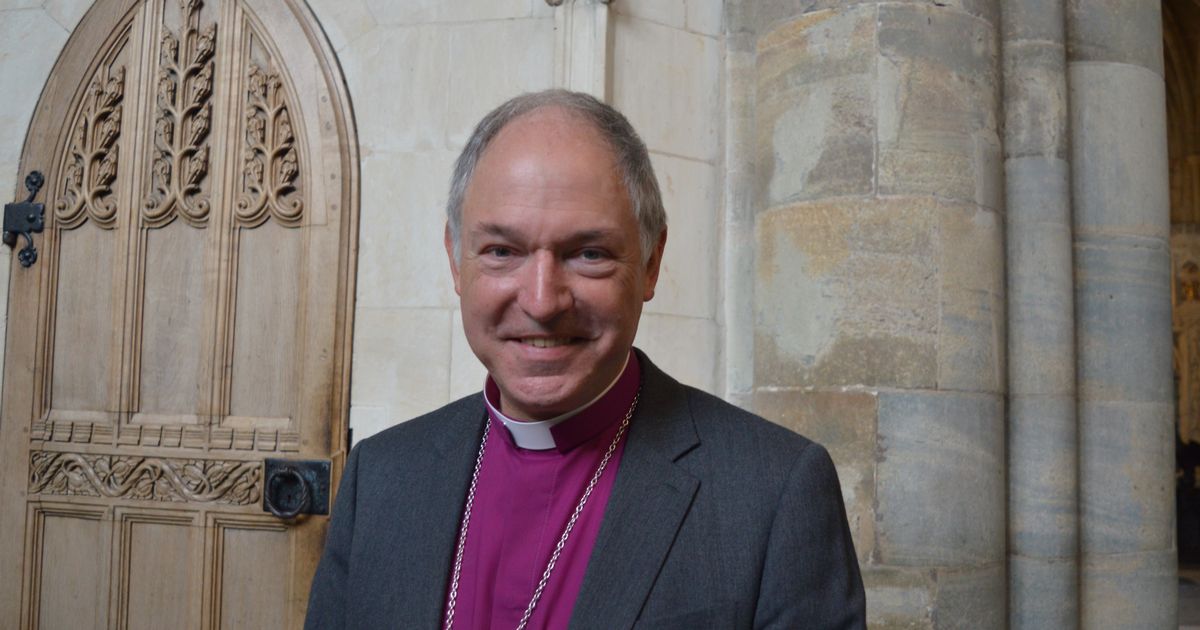
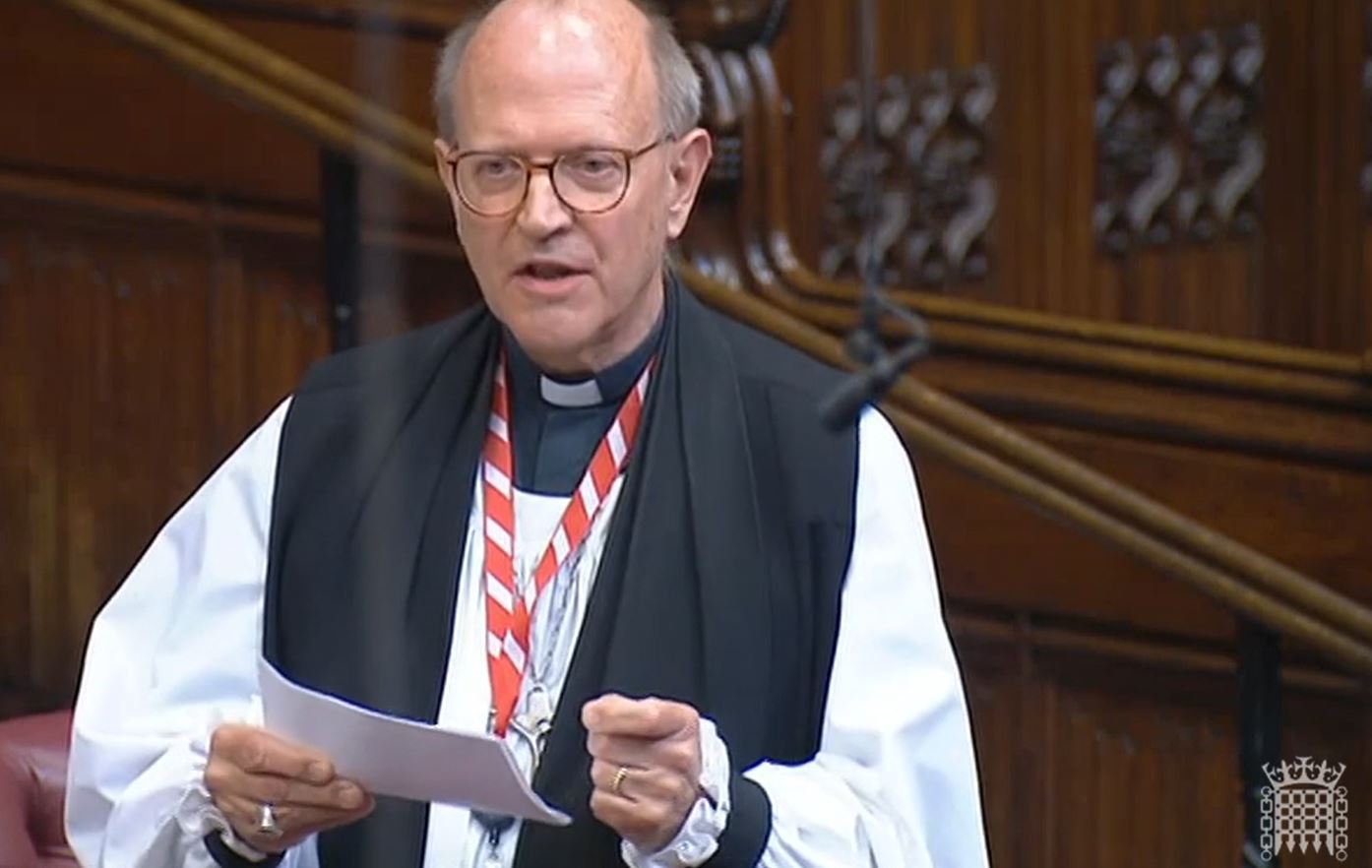
Bishop of Southwell & Nottingham asks question on post-EU funding for farmers

On 21st June 2023, the Bishop of Southwell & Nottingham tabled a question on whether DEFRA had published sufficient detail relating to post-EU funding to allow farmers to plan for the future:
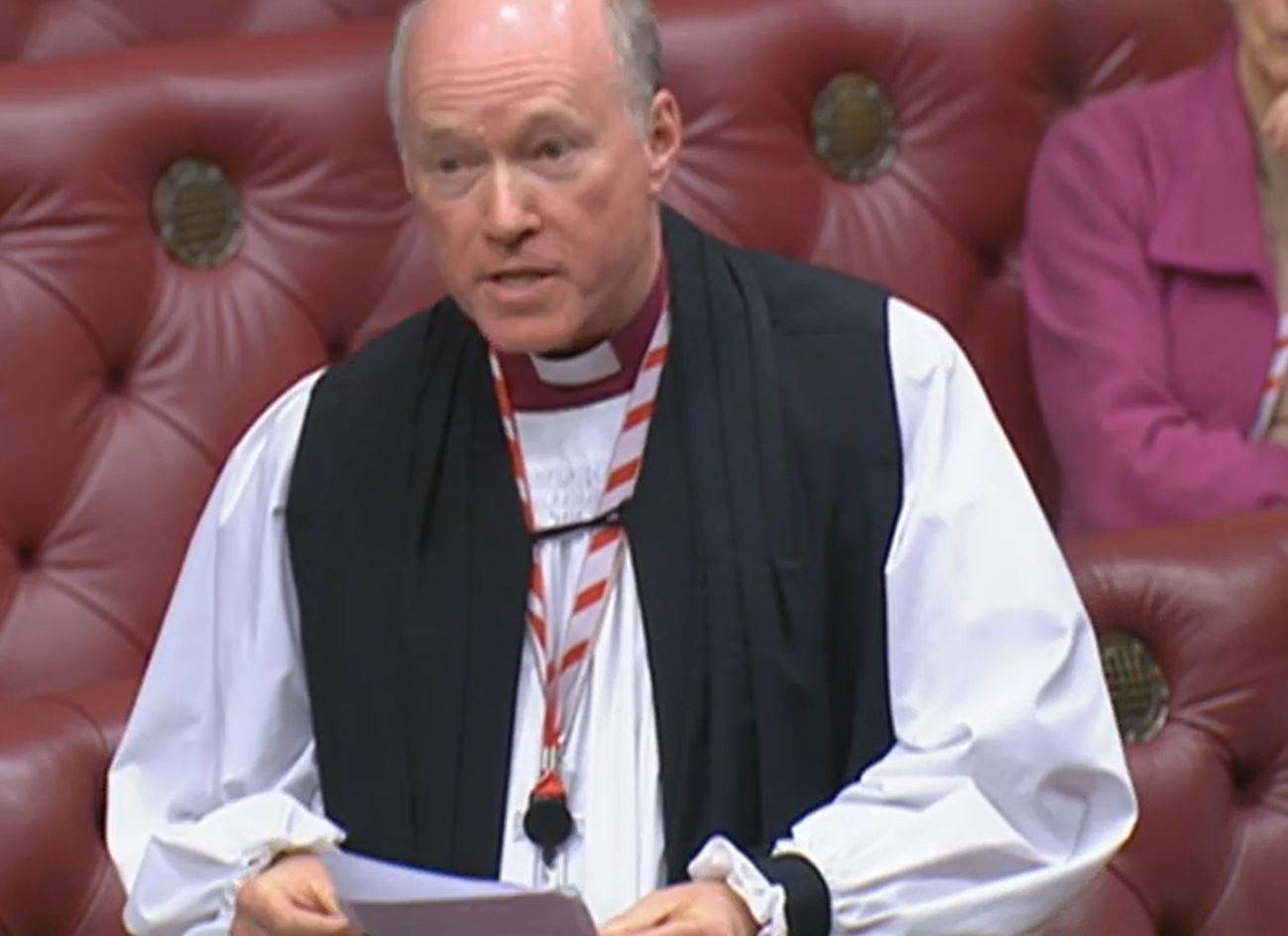
The Lord Bishop of Southwell & Nottingham: To ask His Majesty’s Government what assessment they have made of whether the Department of Environment Food and Rural Affairs has published sufficient detail in relation to post-EU funding to enable those working in farming to plan for the future; and what assessment they have made of any adverse consequences for the mental health and wellbeing of such people.

Lord Harlech (Con): My Lords, I declare my farming and land management interests as set out in the register. I start by paying tribute to the right reverend Prelate for the incredible work that he has done in support of his community in respect of the horrific events occurring in Nottingham on 13 June.

Continue reading “Bishop of Southwell & Nottingham asks question on post-EU funding for farmers”

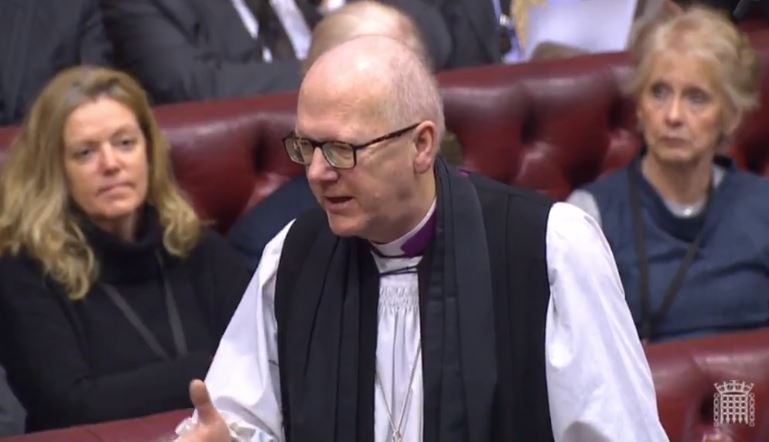
Bishop of St Albans asks about government support for farms affected by animal attacks on livestock

The Bishop of St Albans received the following written answer on 13th June 2023:

The Lord Bishop of St Albans asked His Majesty’s Government what steps they are taking to support farmers who suffer from livestock worrying.

Lord Benyon (Con): The Government takes the issue of livestock worrying very seriously, recognising the distress this can cause farmers and animals, as well as the financial implications.

Continue reading “Bishop of St Albans asks about government support for farms affected by animal attacks on livestock”

Bishop of St Albans asks for support for agricultural growers

The Bishop of St Albans asked for assurances to the Lea Valley Growers Association in his diocese that support for their planning would be available going forward, during a debate on the upcoming ban on the sale of horticultural peat on 9th May 2023:

The Lord Bishop of St Albans: My Lords, the Lea Valley in my diocese is an area sometimes known as Britain’s salad bowl. The Lea Valley Growers Association already faces huge problems, mainly because of the increase in energy costs at the moment, and many of these growers are going out of business. Its concern is that some crops are grown in very specialist ways, and some of the alternatives are not working very well. The association wants real guarantees and help to make sure that, where there are not good alternatives, growers have some security for their planning at a time when many of them are not planting anymore. Can the Minister give those assurances?

Continue reading “Bishop of St Albans asks for support for agricultural growers”

Bishop of St Albans asks about infrastructure grant paid to farmers

The Bishop of St Albans received the following written answer on 25th March 2023:

The Lord Bishop of St Albans asked His Majesty’s Government how much was paid to farmers through the Slurry Infrastructure grant in 2022.

Lord Benyon (Con): To date no payments are due under the Slurry Infrastructure Grant. The Rural Payments Agency has been assessing approximately 1,300 expressions of interest and will be inviting those applicants in the highest priority areas to submit a full application by the deadline of 24 June 2024. Once work has been completed claims will be submitted and payments issued.

Hansard

Bishop of Exeter asks about horticultural exports

The Bishop of Exeter received the following written answer on 17th April 2023:

The Lord Bishop of Exeter asked His Majesty’s Government what was the total amount of exports from the horticultural sector in (1) 2018, (2) 2019, (3) 2020, (4) 2021, and (5) 2022.

Continue reading “Bishop of Exeter asks about horticultural exports”

Bishop of Exeter asks about greenhouse gas emissions associated with dairy farming

The Bishop of Exeter received the following written answer on 17th April 2023:

The Lord Bishop of Exeter asked His Majesty’s Government what steps they are taking to encourage dairy farmers to undertake a Greenhouse Gas Protocol audit.

Lord Benyon (Con): In the Net Zero Growth Plan, we have committed to developing a harmonised approach to measuring carbon on farms and will set out how we will support farmers to undertake carbon audits by 2024.

Hansard

Bishop of St Albans asks about reduction of crime in rural areas

The Bishop of St Albans received the following written answer on 17th April 2023:

The Lord Bishop of St Albans asked His Majesty’s Government what assessment they have made of the effectiveness of installing tracking devices on farm machinery to reduce rural crime.

Lord Sharpe of Epsom (Con): The Government is committed to driving down rural crime. Whether someone lives in the countryside or a town or city they should get the same high-quality service from the police if they fall victim to a crime.

Continue reading “Bishop of St Albans asks about reduction of crime in rural areas”

Bishop of St Edmundsbury and Ipswich highlights need to encourage farmers engagement with Environmental Land Management Scheme

The Bishop of St Edmundsbury and Ipswich spoke during a debate on a motion to approve new regulations on direct payments to farmers, highlighting the need for support for farmers to engage with Environmental Land Management Schemes:

The Lord Bishop of St Edmundsbury and Ipswich: My Lords, I shall follow the comments that we have just heard. I declare a new interest as the president-elect of the Suffolk Agricultural Association, where we see the issues that have just been described in the uplands similarly in small family farms in Suffolk.

By and large, the farmers that I speak to want to embrace the ELM scheme and many of them are doing so. What those who are embracing it are saying to me about those who are not yet doing so is that somehow the scheme needs to be made more attractive, the incentives need to be increased—particularly for the smaller family farmers—and the process simplified in some way so that they can gain access to the scheme. I understand that His Majesty’s Government are seeking to achieve 80% take-up of ELMS by 2030. I ask the Minister where we are with that at the moment and what he sees as the possibilities of accelerating and incentivising the take-up by those who, as we heard earlier, might need hand-holding in that process.

Hansard

Bishop of St Albans asks about avian influenza compensation, farmers incomes, and plant biosecurity

The Bishop of St Albans received the following written answers on 22nd March 2023:

The Lord Bishop of St Albans asked His Majesty’s Government, further to the Written Answer by Lord Benyon on 8 March (HL5863), how much they paid to farmers in 2022 as part of the Avian Influenza Compensation scheme.

Lord Benyon (Con): In 2022, a total of £41.0 million was paid in compensation to bird keepers whose flocks were culled for avian influenza disease control purposes.

Continue reading “Bishop of St Albans asks about avian influenza compensation, farmers incomes, and plant biosecurity”

Bishop of Exeter asks about impact of litter on wildlife, costs of animal feed, and the effect of global warming on diseases contracted by trees

The Bishop of Exeter received the following written answers on 21st March 2023:

The Lord Bishop of Exeter asked His Majesty’s Government what assessment they have made of the impact of litter on wildlife.

Lord Benyon (Con): There is a systematic, proactive screening of potential new and emerging plant health risks. This includes consideration of changes which have the potential to affect the risk posed by non-native plant pests and pathogens to UK plants, both cultivated and in the wider environment. Pests and pathogens which are considered to pose a risk are prioritised for action in the UK Plant Health Risk Register. Risks are reviewed monthly by an expert group and Ministers, and prioritised for actions such as contingency plans in the event of an outbreak, pest risk analyses which can look in detail at potential risks associated with climatic factors, surveillance, enhanced inspection, regulation, national measures, import controls, research and awareness raising.  Actions and decisions are kept under review and would be reconsidered in light of new information concerning the pest or other factor which would change the risk to GB.

Continue reading “Bishop of Exeter asks about impact of litter on wildlife, costs of animal feed, and the effect of global warming on diseases contracted by trees”