On 12th July 2023, the House of Lords debated the Online Safety Bill in the report stage. A vote was held on an amendment to the bill, in which a Bishop took part:

On 12th July 2023, the House of Lords debated the Online Safety Bill in the report stage. A vote was held on an amendment to the bill, in which a Bishop took part:
On 10th July 2023, the House of Lords debated the Online Safety Bill in the second day of the report stage. A vote was held on an amendment to the bill, in which Bishops took part:
On 10th July 2023, the House of Lords debated the Online Safety Bill in the second day of the report stage. The Bishop of Oxford spoke in support of a group of amendments to the bill stipulating that online harms can arise from functionality and design of services as well as from content:
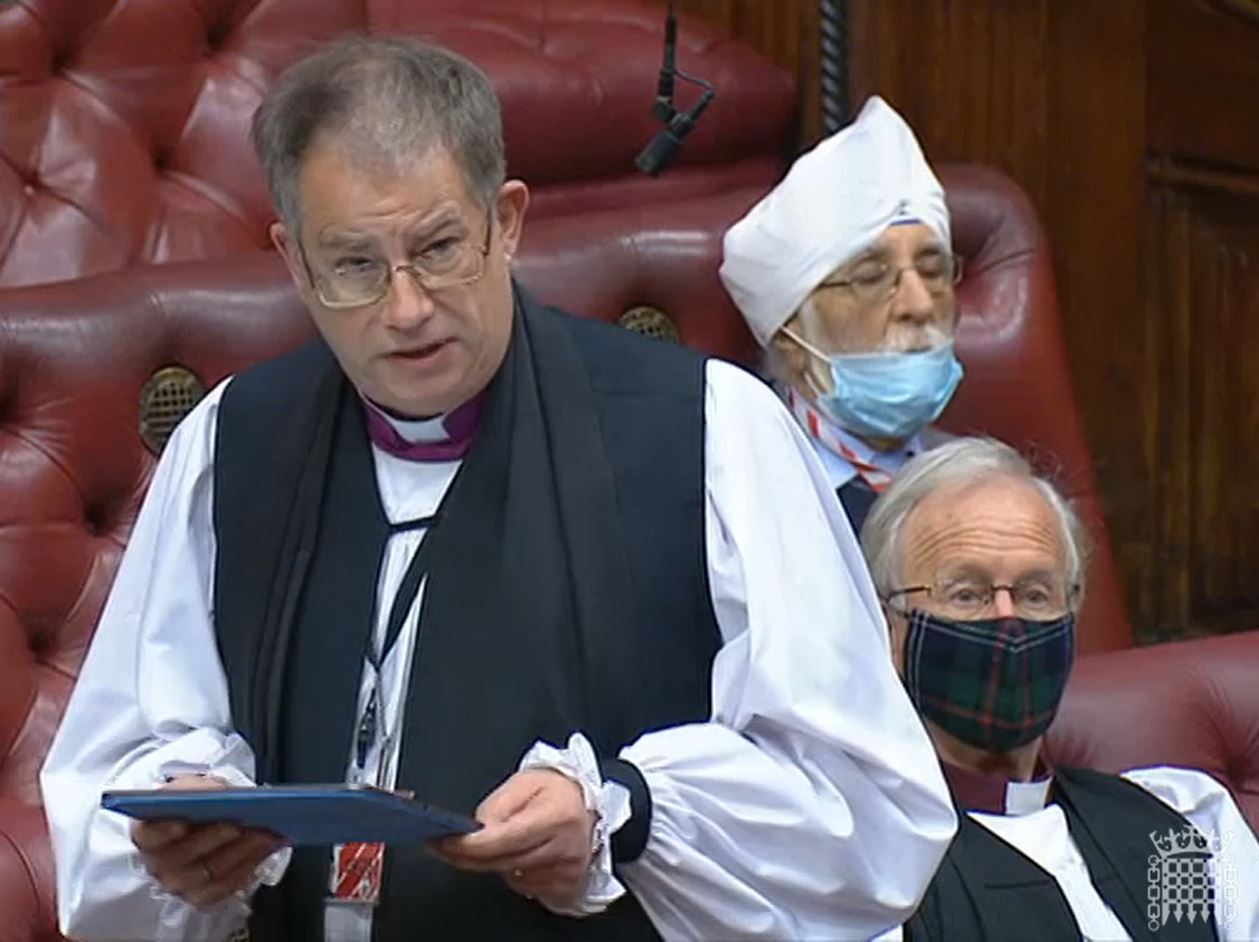
The Lord Bishop of Oxford: My Lords, as often, it is a pleasure to follow the noble Baronesses, Lady Harding and Lady Kidron, and to support this group of amendments, especially those to which I put my name. I thank the Minister and the Secretary of State for the many amendments they are introducing, including in the last group, on which I was not able to speak for similar reasons to other noble Lords. I especially note Amendment 1, which makes safety by design the object of the Bill and makes implicit the amendments that we are speaking to this afternoon, each of which is consistent with that object of safety by design running through the Bill.
Continue reading “Online Safety Bill: Bishop of Oxford supports amendments on definition of online harms”On 6th July 2023, during the first day of the report stage on the Online Safety Bill, the Bishop of Oxford spoke in support of amendments targeting the spread of misinformation and disinformation online, particularly with regard to the risk posed to children:
The Lord Bishop of Oxford: My Lords, I too welcome these amendments and thank the Minister and the Government for tabling them. The Bill will be significantly strengthened by Amendment 172 and related amendments by putting the harms as so clearly described in the Bill. I identify with the comments of others that we also need to look at functionality. I hope we will do that in the coming days.
I also support Amendment 174, to which I added my name. Others have covered proposed new subsection (9B) very well; I add my voice to those encouraging the Minister to give it more careful consideration. I will also speak briefly to proposed new subsection (9A), on misinformation and disinformation content. With respect to those who have spoken against it and argued that those are political terms, I argue that they are fundamentally ethical terms. For me, the principle of ethics and the online world is not the invention of new ethics but finding ways to acknowledge and support online the ethics we acknowledge in the offline world.
Continue reading “Online Safety Bill: Bishop of Oxford speaks to amendments on misinformation and disinformation online”The Bishop of Oxford spoke in support of a group of amendments to the Online Safety Bill designed to encourage a focus on safety by design in technology and online services, and to provide frameworks for assessing risk, on 6th July 2023:

The Lord Bishop of Oxford: My Lords, I broadly support all the amendments in this group but I will focus on the three amendments in the names of the noble Lord, Lord Russell, and others; I am grateful for their clear exposition of why these amendments are important. I draw particular attention to Amendment 281A and its helpful list of functions that are considered to be harmful and to encourage addiction.
Continue reading “Online Safety Bill: Bishop of Oxford supports amendments on safety and risk assessment”On 6th July 2023, during a debate on the Online Safety Bill, The Bishop of Oxford spoke in support of a group of amendments to the bill focusing on the development of artificial intelligence, whilst raising concerns about whether the bill was sufficiently future proofed given the rapid movement of technology:
The Lord Bishop of Oxford: My Lords, I warmly welcome this group of amendments. I am very grateful to the Government for a number of amendments that they are bringing forward at this stage. I want to support this group of amendments, which are clearly all about navigating forward and future-proofing the Bill in the context of the very rapid development of artificial intelligence and other technologies. In responding to this group of amendments, will the Minister say whether he is now content that the Bill is sufficiently future-proofed, given the hugely rapid development of technology, and whether he believes that Ofcom now has sufficient powers to risk assess for the future and respond, supposing that there were further parallel developments in generative AI such as we have seen over the past year?
Continue reading “Online Safety Bill: Bishop of Oxford welcomes amendments on artificial intelligence, stresses importance of future-proofing”On 6th July 2023, the House of Lords debated the Online Safety Bill in the first day of the report stage. The Bishop of Manchester spoke in favour of a government amendment to the bill introducing a new introductory clause setting out the purpose and duties of the act, and voiced his support for the collaborative way in which the bill had been produced:
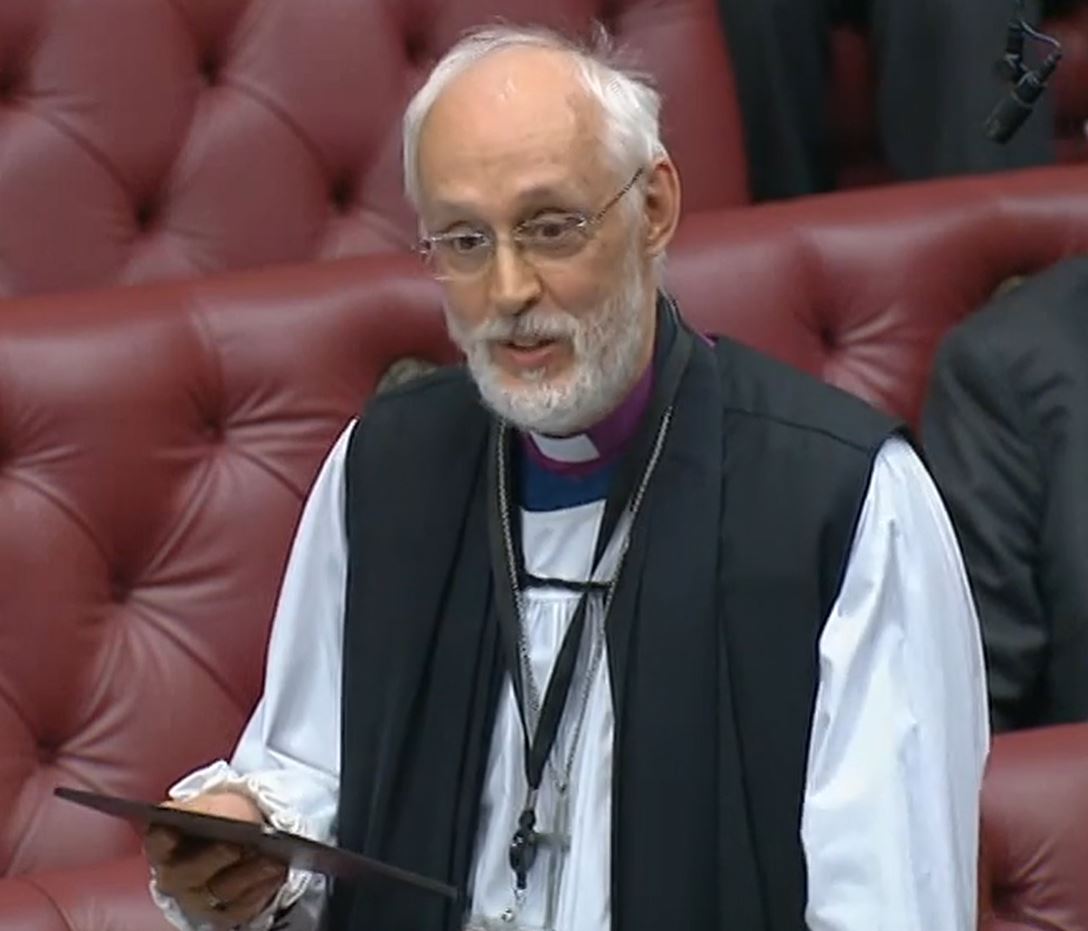
The Lord Bishop of Manchester: My Lords, I too support the Minister’s Amendment 1. I remember vividly, at the end of Second Reading, the commitments that we heard from both Front-Benchers to work together on this Bill to produce something that was collaborative, not contested. I and my friends on these Benches have been very touched by how that has worked out in practice and grateful for the way in which we have collaborated across the whole House. My plea is that we can use this way of working on other Bills in the future. This has been exemplary and I am very grateful that we have reached this point.
On 25th May 2023, the House of Lords debated the Online Safety Bill in committee. The Bishop of Chelmsford spoke in support of amendments to the bill tabled by the Bishop of Oxford, Lord Clement Jones, and Lord Colville of Culross, which would introduce new duties to Ofcom to assess risk and monitor online safety:

My Lords, I shall speak in favour of Amendments 195, 239 and 263, tabled in the names of my right reverend friend the Bishop of Oxford, the noble Lord, Lord Clement-Jones, and the noble Viscount, Lord Colville of Culross, who I thank for his comments.
My right reverend friend the Bishop of Oxford regrets that he is unable to attend today’s debate. I know he would have liked to be here. My right reverend friend tells me that the Government’s Centre for Data Ethics and Innovation, of which he was a founding member, devoted considerable resource to horizon scanning in its early years, looking for the ways in which AI and tech would develop across the world. The centre’s analysis reflected a single common thread: new technologies are developing faster than we can track them and they bring with them the risk of significant harms.
This Bill has also changed over time. It now sets out two main duties: the illegal content duty and the children duty. These duties have been examined and debated for years, including by the joint scrutiny committee. They are refined and comprehensive. Risk assessments are required to be “suitable and sufficient”, which is traditional language from 20 years of risk-based regulation. It ensures that the duties are fit for purpose and proportionate. The duties must be kept up to date and in line with any service changes. Recent government amendments now helpfully require companies to report to Ofcom and publish summaries of their findings.
Continue reading “Online Safety Bill: Bishop of Chelmsford supports Bishop of Oxford’s amendments on safety and risk”On 23rd May 2023, the House of Lords debated the Online Safety Bill in committee. During the debate, the Bishop of Oxford spoke in support of amendments tabled by Lord Stevenson of Balmacara which “would require the Secretary of State to publish draft codes of conduct from OFCOM for consideration by relevant committees of both Houses of Parliament,” and by Baroness Stowell of Beeston to clarify the powers of secretaries of state with regards to Ofcom’s independence:
The Lord Bishop of Oxford: My Lords, it is pleasure to follow the noble Baroness, Lady Harding, whose very powerful speech took us to the heart of the principles behind these amendments. I will add my voice, very briefly, to support the amendments for all the key reasons given. The regulator needs to be independent of the Secretary of State and seen to be so. That is the understandable view of the regulator itself, Ofcom; it was the view of the scrutiny committee; and it appears to be the view of all sides and all speakers in this debate. I am also very supportive of the various points made in favour of the principle of proper parliamentary scrutiny of the regulator going forward.
One of the key hopes for the Bill, which I think we all share, is that it will help set the tone for the future global conversation about the regulation of social media and other channels. The Government’s own impact assessment on the Bill details parallel laws under consideration in the EU, France, Australia, Germany and Ireland, and the noble Viscount, Lord Colville, referred to standards set by UNESCO. The standards set in the OSB at this point will therefore be a benchmark across the world. I urge the Government to set that benchmark at the highest possible level for the independence and parliamentary oversight of the regulator.
On 16th May 2023, the House of Lords debated the Online Safety Bill in committee. The Bishop of Gloucester spoke in support of amendments that would target violence against women and girls by requiring OFCOM to issue a code of practice relating to this:
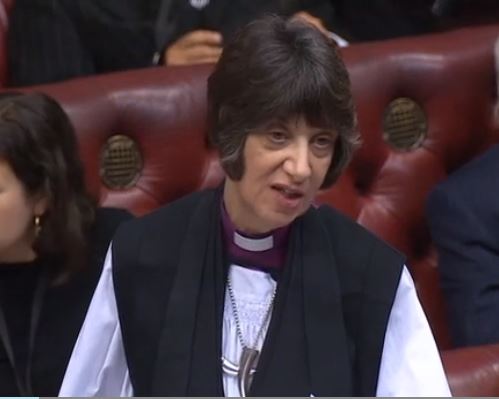
The Lord Bishop of Gloucester: My Lords, I have added my name to Amendments 97 and 304, and I wholeheartedly agree with all that the noble Baroness, Lady Morgan, said by means of her excellent introduction. I look forward to hearing what the noble Baroness, Lady Kidron, has to say as she continues to bring her wisdom to the Bill.
Let me say from the outset, if it has not been said strongly enough already, that violence against women and girls is an abomination. If we allow a culture of intimidation and misogyny to exist online, it will spill over to offline experiences. According to research by Refuge, almost one in five domestic abuse survivors who experienced abuse or harassment from their partner or former partner via social media said they felt afraid of being attacked or being subjected to physical violence as a result. Some 15% felt that their physical safety was more at risk, and 5% felt more at risk of so-called honour-based violence. Shockingly, according to Amnesty International, 41% of women who experienced online abuse or harassment said that these experiences made them feel that their physical safety was threatened.
Continue reading “Online Safety Bill: Bishop of Gloucester stresses importance of tackling violence against women and girls online and offline” The Church of England in Parliament
You must be logged in to post a comment.