
On 2oth October 2021, the Bishop of Manchester spoke in a debate on the Police, Crime, Sentencing and Courts Bill, adding his support to a group of amendments intending to create a police covenant to better support the mental health and wellbeing of police and their families:
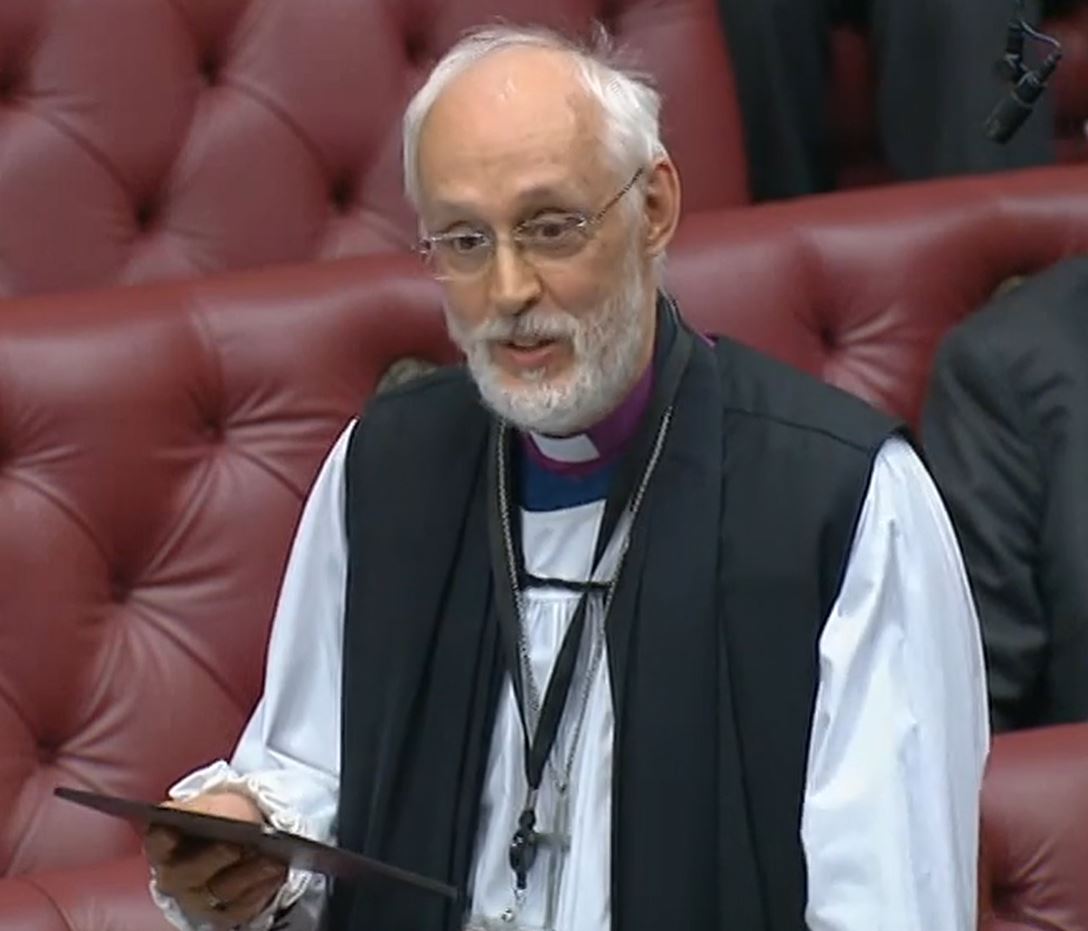
The Lord Bishop of Manchester: My Lords, I draw your Lordships’ attention to my interests in the world of policing as set out in the register, particularly in policing ethics, both with the Greater Manchester Police and the National Police Chiefs’ Council.
At Second Reading I referred briefly to the culture of policing. I did not specifically mention a policing covenant given that time was so short, but I have been intrigued by the debate we have had this afternoon. I note the way in which Members have referred to the Armed Forces covenant. That is helpful in some ways, although I am just a little concerned. As I said at Second Reading, the heart of the policing model is that our police are civilians in uniform; they are not the Armed Forces. We need to be careful not to put police too easily into the same category as the Armed Forces. The Armed Forces are agents of the state while police are agents of society in a slightly different way. That is an important civilian distinction I would want always to hold before us.
Nevertheless, I support the amendments in this group, and I believe that we can do better for policing. A covenant is the right way forward—we are working on a similar thing for clergy in the Church of England at the moment—and these amendments will strengthen the initial proposals to help us that way. Over these last 18 months, when I have been chairing Operation Talla, the Covid operation ethics committee, on behalf of the National Police Chiefs’ Council, we have had in our minds and hearts not just how to police effectively but the tensions and pressures put on policing during the pandemic and how to advise police forces to implement the various regulations that were coming from government, sometimes in rapid succession, in ways that were proportionate and would not place undue extra pressure on the mental health of police. We monitored sickness rates throughout that process, and it has been a great example of how we worked together to ensure that policing did not lose its civilian base in the course of the pandemic. Therefore, I support these amendments, but I treat with a little caution how closely we draw parallels with the military covenant.
Extracts from the speeches that followed:
Baroness Williams of Trafford (Con): There was quite a lot of talk about the interface between the Armed Forces and the police covenant, and the right reverend Prelate the Bishop of Manchester clearly made the distinction between the two forces, which are very different in terms of the demands on them. The work under the police covenant will recognise the specific issues that affect those working or who have worked in policing—to answer the question posed by the noble Lord, Lord Coaker, it will include those who have retired—as a result of their role, and will seek to provide support to them and their families in addressing these issues. The police covenant and the legislation underpinning it have been drafted to ensure that they reflect the specific, unique needs of our police as they currently stand.
(…)
Finally, Amendment 7 seeks to create a duty on specified
“health service bodies to have due regard to police covenant principles”
in the exercise of relevant health functions. I recognise that this stems from provisions in the Armed Forces Bill, which amends the existing provisions in respect of the Armed Forces covenant. Again, I recognise the positive intention behind this amendment, but the two covenants are at totally different stages of evolution. As the right reverend Prelate the Bishop of Manchester says, they are in different contexts. The Armed Forces covenant has been in existence for some years, and its structure continues to evolve with increasing prominence. The police covenant has just begun and, while it too will evolve and grow, it must be given space in which to develop and embed as its own entity, operating in a different space.
At this stage, therefore, it is premature to include a duty on specific public bodies to have due regard to the police covenant, without first establishing the key issues involved, identifying robust evidence and the options to respond to those issues, and considering the need in consultation with relevant public bodies.
I hope, in light of my rather lengthy explanation and assurance, that the noble Lord, Lord Coaker, will be happy to withdraw his amendment.
 The Church of England in Parliament
You must be logged in to post a comment.