
On 1st May 2024, the Bishop of Lincoln asked a question following a government statement on health and disability reform, raising the high rate of disability among those experiencing homelessness and asking whether disability reform should be focused on meeting the needs of this cohort rather than tightening eligibility for PIP:
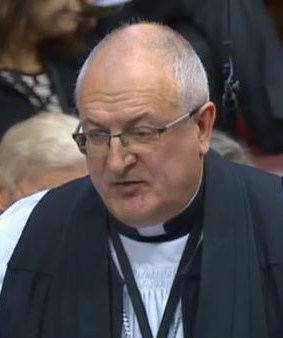
The Lord Bishop of Lincoln: My Lords, I declare an interest as a bishop relating to L’Arche UK and worldwide, which cares for people with intellectual and physical disabilities. The aspiration outlined in the Ministerial Statement to create a Britain in which disabled people can be supported to thrive is one that we all share. At a time of economic challenge, any responsible Government must pursue priorities and make difficult choices, but I have been in your Lordships’ House for 10 years and this kind of Statement reminds me of the circularity of this debate about welfare provision within that 10 years, where we do not seem to have made huge progress. We heard a lot from previous speakers about the varied needs of people with disabilities, some people with temporary health issues and those with severe and enduring mental health conditions. The Joseph Rowntree Foundation has noted that almost two-thirds of people living in destitution or direct homelessness have a chronic health condition or disability. These people may be unable to meet their most basic needs to stay warm, fed, dry and clean. Does the Minister agree that energy for further reform of disability benefits might be best applied to meeting the needs of this cohort rather than seeking to make eligibility even tighter?
Viscount Younger of Leckie (Con): I gently correct the right reverend Prelate, or give my view, which is that the current PIP system has served a purpose; that is a fair comment to make. However, as I said earlier, after 10 years—it was our Government who brought in PIP—now is the time to review it. To put this in
perspective and explain why we are doing it now, I say that since 2015 the proportion of the caseload receiving the highest rate of PIP has increased from 25% to 36%, and 7% of working-age people in England and Wales now claim PIP or DLA, which is forecast to rise to 10% by 2028-29. Going back to 2022-23, the Government spent £15.7 billion on extra costs for disability benefits for people of working age in England and Wales, and the OBR has forecast that the cost will rise to £29.8 billion in nominal terms by 2028-29. On the right reverend Prelate’s question, we believe that now is the right time to do something. In fact, not doing something would be highly negligent. It covers everybody at all levels. I know he referred particularly to those who are the most vulnerable, and he was quite right.
 The Church of England in Parliament
You must be logged in to post a comment.