
The Bishop of Norwich received the following written answers on 7th October 2024:
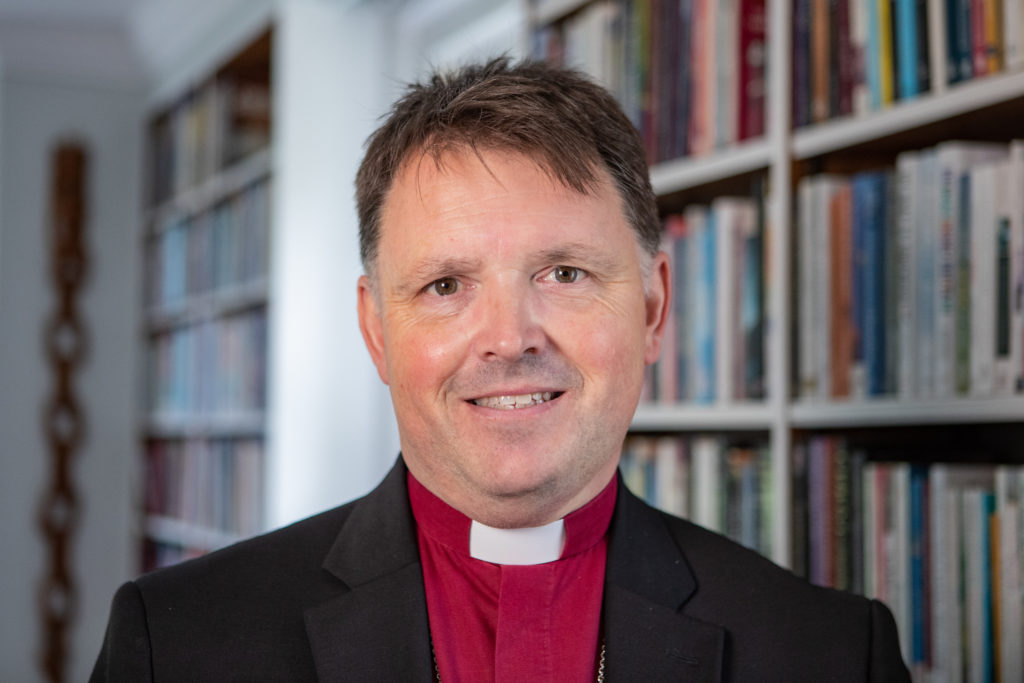
The Lord Bishop of Norwich asked His Majesty’s Government:
- what their priorities are for the Conference of the Parties to the UN Convention on Biological Diversity to be held in Colombia in October.
- what assessment they have made of the theme of the forthcoming Conference of the Parties to the UN Convention on Biological Diversity (COP16) being designated “Peace with Nature” by the government of Colombia, and in particular of the link between environmental breakdown and conflict internationally; and what are their objectives for COP16 regarding the relationship between humanity and nature to ensure greater global peace.
Baroness Hayman of Ullock (Lab, DEFRA): The UK Government remains committed to halting and reversing biodiversity loss by 2030. COP16, in Cali, Colombia, will be the first opportunity to review our collective global progress against the goals and targets of the Kunming Montreal Global Biodiversity framework agreed at COP15. Our priorities include operationalising the mechanism for sharing benefits derived from Digital genetic Sequence Information (DSI), championing an integrated approach to nature and climate as we head from COP16 to COP30 in Brazil, generating more finance for nature, and ensuring increased action is taken globally to achieve the targets agreed under the Kunming Montreal Global Biodiversity Framework (GBF).
The Lord Bishop of Norwich asked His Majesty’s Government what steps they are taking to meet international obligations for nature conservation, including the Ramsar Convention, the Bern Convention and the EU Birds and Habitats Directives.
Baroness Hayman of Ullock: The UK meets its obligations under the Bern Convention as well as the EU Birds and Habitats Directives through the implementation of the Conservation of Species and Habitats Regulations (2017) and the Wildlife and Countryside Act (1981). The UK is also an active member of the Ramsar Convention on wetlands and protects 176 Ramsar sites, more than any other country. We are playing a proactive role in preparations for the Ramsar COP15, taking place in Zimbabwe next July. The UK Government also meets our international obligations through proactive participation in other multilateral environmental agreements, including the Convention on International Trade in Endangered Species and the Convention on Migratory Species.
The Lord Bishop of Norwich asked His Majesty’s Government what assessment they have made of the benefit of forest schools and similar nature-focused learning for child development.
Baroness Smith of Malvern (Lab, DfE): Forest schools provide children with frequent opportunities for outdoor play and exploration.
The Early Years Foundation Stage (EYFS) statutory framework sets the standards and requirements that all early years providers must follow to ensure every child has the best start in life.
The EYFS framework states that providers must provide access to an outdoor play area. If that is not possible, they must ensure that outdoor activities are planned and taken on a daily basis, unless circumstances make this inappropriate, for example unsafe weather conditions. The EYFS framework also specifies that young children should develop positive values towards the environment and the natural world.
By creating games and providing opportunities for play both indoors and outdoors, such as in larger parks and spaces in the local area or through forest schools, adults can support children to develop in a number of areas, including core strength, stability, balance and spatial awareness.
The department is committed to supporting all early years settings to deliver the EYFS well, for the benefit of all children.
 The Church of England in Parliament
You must be logged in to post a comment.