
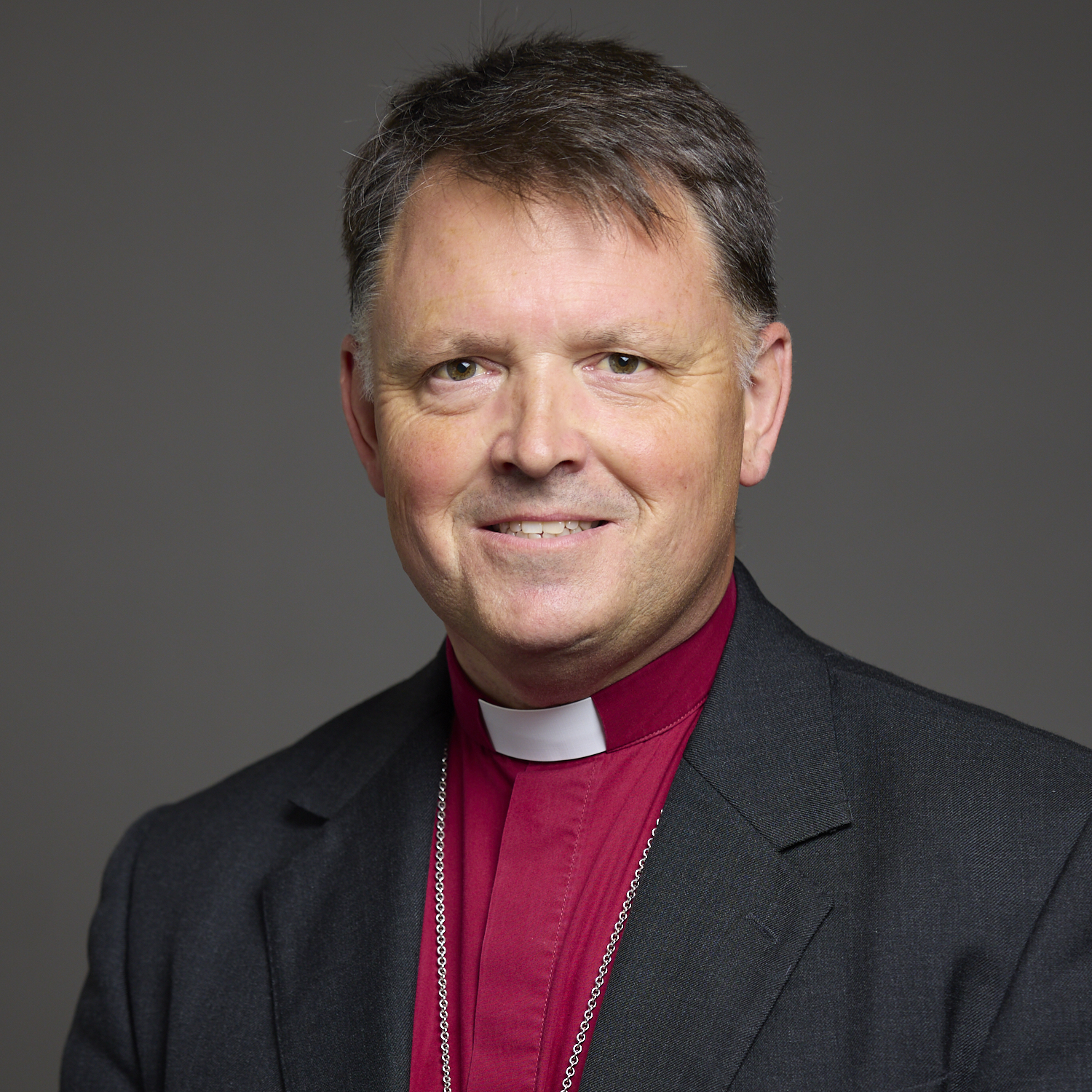
The Bishop of Norwich received the following written answers on 24th February 2025:
The Lord Bishop of Norwich asked His Majesty’s Government what assessment they have made of the World Economic Forum’s top two global risks over the next ten years, namely extreme weather events, exacerbated by climate change, and biodiversity loss.
Baroness Hayman of Ullock (Lab, DEFRA): We recognise the importance of these global risks highlighted by the World Economic Forum. No society can thrive without protecting the environment on which we rely. That is why this Government is committed to ambitious action on climate and biodiversity. The UK is providing global leadership to end poverty on a liveable planet.
Climate change and biodiversity loss are key elements of the Government’s National Risk Register.
Internationally, we work closely with the Intergovernmental Panel on Climate Change and the Intergovernmental Science-Policy Panel on Biodiversity and Ecosystem Services, who provide the best available science to assess these risks. We are building global environmental ambition by accelerating delivery of the Global Biodiversity Framework and the Paris Agreement, including through our domestic actions.
Domestically, our independent Climate Change Committee is working on the 4th Climate Change Risk Assessment (CCRA). We are building global environmental ambition – accelerating delivery of the Global Biodiversity Framework and the Paris Agreement, including through our domestic actions. Defra is responsible for coordinating requirements set out in the UK Climate Change Act 2008, including preparing a National Adaptation Programme every five years, informed by the CCRA. The State of Natural Capital report shows how to mitigate risks from biodiversity loss. We have also launched a rapid review environmental improvement plan to deliver on our legally binding environment targets.
The Lord Bishop of Norwich asked His Majesty’s Government what plans they have to ban bottom trawling.
Baroness Hayman of Ullock: Bottom trawling can clearly be a damaging activity if it happens in the wrong place. We are considering next steps to manage bottom trawling, along with other fishing methods, where this might damage marine protected area features or benthic habitats, in the context of our domestic and international nature conservation obligations. We are keen to continue to work closely with fisheries and marine stakeholders as we develop our plans for future fisheries and marine management.
The Lord Bishop of Norwich asked His Majesty’s Government what assessment they have made of the impacts of nitrogen pollution, and what plans they have to tackle it.
Baroness Hayman of Ullock: The Government will be providing a detailed response covering this question in written evidence to the Lords Inquiry on Nitrogen. Nitrogen – Committees – UK Parliament(opens in a new tab).
The Lord Bishop of Norwich asked His Majesty’s Government what progress has been made towards peatland restoration, and what consideration they have given to banning sales of peat compost and peat-containing products which contribute to the destruction of peatland habitats in the UK and in Europe.
Baroness Hayman of Ullock: The Government recognises the importance of England’s peatlands, and in our manifesto, we committed to expanding nature-rich habitats such as peatlands. This will contribute to ensuring nature’s recovery, one of Defra’s five priorities. That is why this Government is investing £400 million to protect and restore nature, including our peatlands.
We have ambitions to restore hundreds of thousands of hectares of peatlands across the country, and we are working to ensure that we have the most effective mechanisms in place to go further than we have before. Peatland restoration is currently funded via the Nature for Climate Peatland Grant Scheme, and going forwards will be primarily funded through Environmental Land Management schemes, such as the Landscape Recovery and Countryside Stewardship schemes.
Ministers are committed to protecting our nature-rich habitats, including peat bogs and are looking at next steps for measures to end the use of peat in horticulture. We continue to work alongside the horticultural sector to support progress on the peat free transition.
 The Church of England in Parliament
You must be logged in to post a comment.