
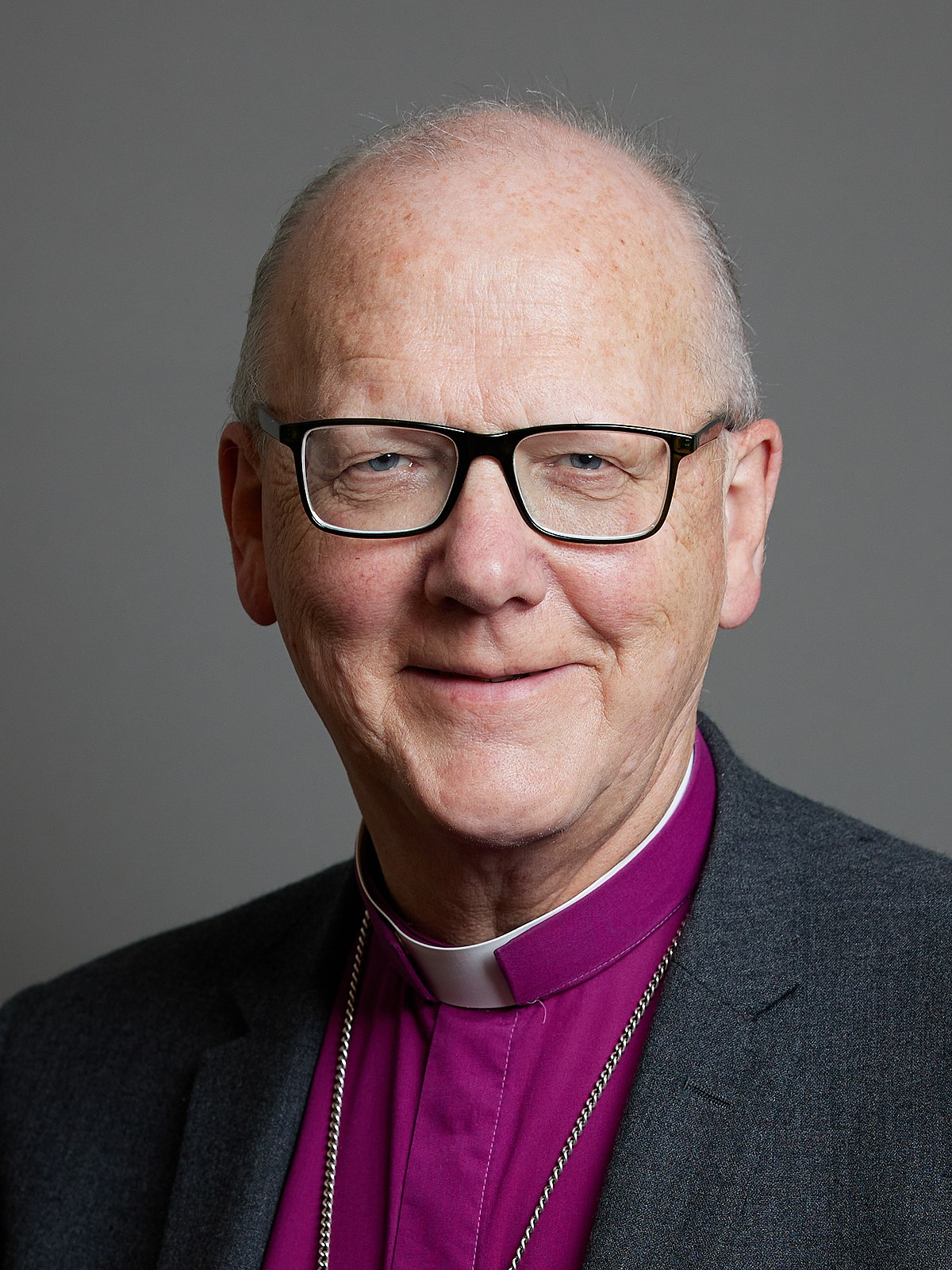
The Bishop of St Albans received the following written answers on 12th April 2025:
The Lord Bishop of St Albans asked His Majesty’s Government, following the publication in Environmental Research Letters on 31 March of Reconsidering the macroeconomic damage of severe warming, what assessment they have made of the finding that global warming will have a significant negative impact on the size of the global economy.
Lord Hunt of Kings Heath (Lab, DESNZ): The latest Synthesis Report from the Intergovernmental Panel on Climate Change (IPCC) stated that it is unequivocal that human activities, principally through emissions of greenhouse gases, have warmed the atmosphere, ocean and land, and that widespread and rapid changes to the climate have occurred. The IPCC also found that projected net economic damages generally increase non-linearly with global warming levels and that economic impacts could be higher than previous estimates.
The Lord Bishop of St Albans asked His Majesty’s Government, following the finding published on 27 March in Annual Fuel Poverty Statistics in England, 2025 (2024 data) that rural households have a higher rate of fuel poverty, what steps they are taking to tackle fuel poverty in rural areas.
Lord Hunt of Kings Heath: The Government is currently consulting on a new fuel poverty strategy for England and has kickstarted delivery of the Warm Homes Plan, including an initial £1.8billion to support fuel poverty schemes over the next three years. Multiple energy efficiency schemes support fuel poor households including in rural areas. The Warm Home Discount supported around 3 million eligible low-income households last winter and we recently consulted on expanding the scheme to more low income households next winter.
Our mission to deliver clean power by 2030 is the best way to break our dependence on global fossil fuel markets and protect billpayers permanently.
The Lord Bishop of St Albans asked His Majesty’s Government what steps they are taking to (1) improve energy efficiency in rural homes, and (2) improve access to advanced energy solutions.
Lord Hunt of Kings Heath: Our ambitious Warm Homes Plan will support investment in households, including rural homes, to install energy efficiency measures and low carbon heating to save families money on their bills.
The Government has committed £3.4 billion over the next 3 years towards heat decarbonisation and household energy efficiency. This includes the new Warm Homes: Local Grant (WH:LG), which will provide support for low-income households living in privately owned EPC band D-G homes both on and off the gas grid in England.
We are taking steps to make heat pumps more efficient and easier to install which includes increasing funding for the Boiler Upgrade Scheme to £295 million next financial year, removing outdated planning rules and consulting on product efficiency standards.
 The Church of England in Parliament
You must be logged in to post a comment.