
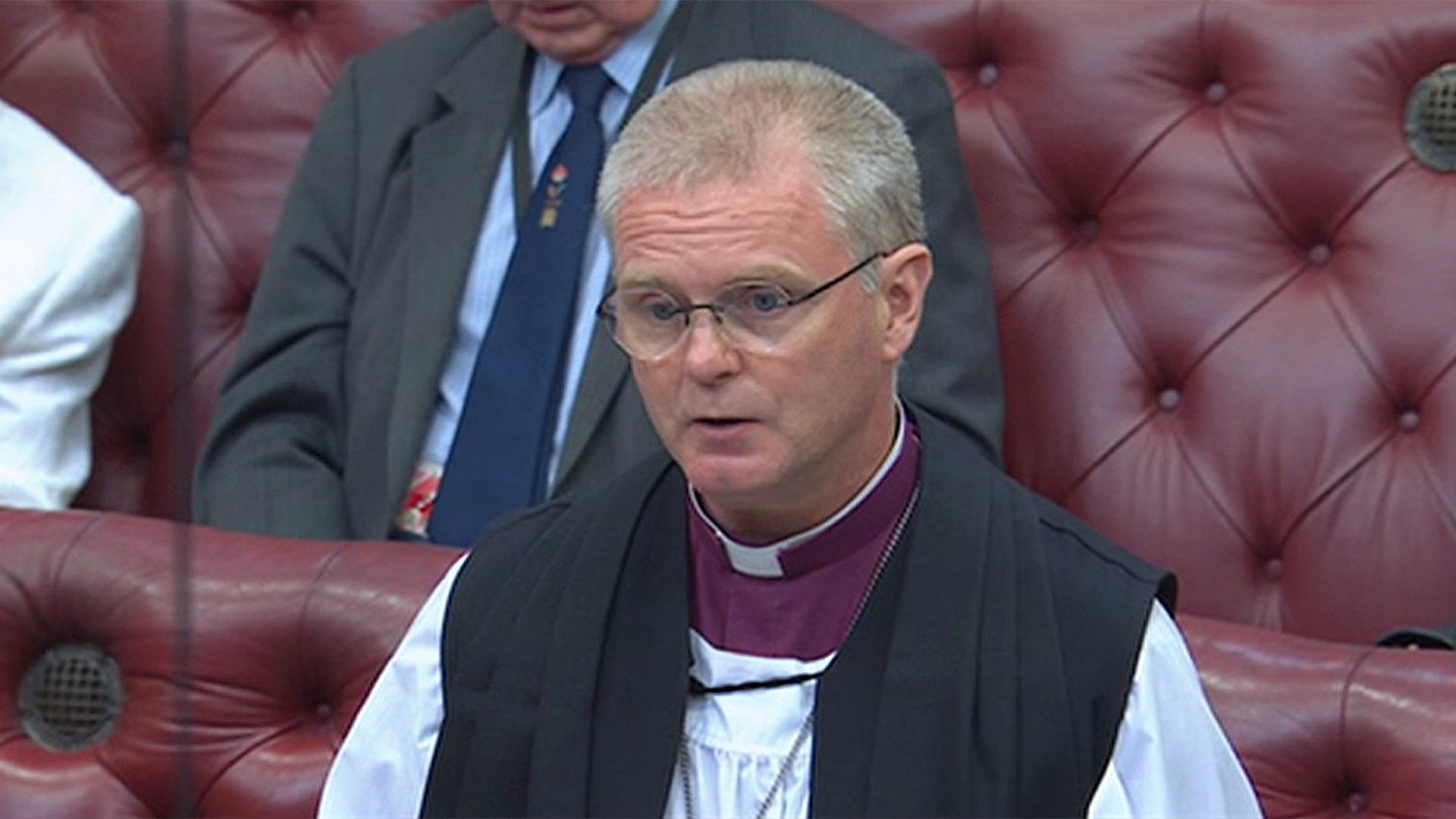
The Bishop of Chester spoke during a debate on the Terminally Ill Adults (End of Life) Bill on 16th January 2026, noting the responsibility of care towards families of the deceased affected by the bill:
The Lord Bishop of Chester: My Lords, this is an important and moving debate. It is an honour to speak in it and to follow some of the previous contributions. These amendments highlight the fact that eligibility is not the same as motivation. I agree with almost everything that has been said before me; I will not delay the Committee by repeating those points.
There are two things that I want to bring to your Lordships’ attention. First, I remind noble Lords of points made by my right reverend friend the Bishop of Gloucester. The Bill, if passed, will apply to those in our prison system, for whom there will be very particular motivations, which we need to make sure can be fairly applied to them.
Secondly, if the Bill is passed, we have a duty of care to those who survive the deceased. Some of us have had the privilege of sitting with many bereaved families. In my experience, there is almost not a death which does not leave a huge wake of pain behind it. Indeed, the one or two in which that has not been the case have been some of the most distressing pastoral situations I have ever dealt with. Where there has been an element of choice to that dying, the “what ifs”, the “if onlys” and the longings are deeply profound scars, which live with people for a long time. In passing the Bill—if we do pass it—we have a responsibility of care, not just to those considering their own death but to those left behind, those who are caring and those who long to do everything they can to be with those they love deeply, and to support and enable them to carry on living and to do so well.
 The Church of England in Parliament
You must be logged in to post a comment.