
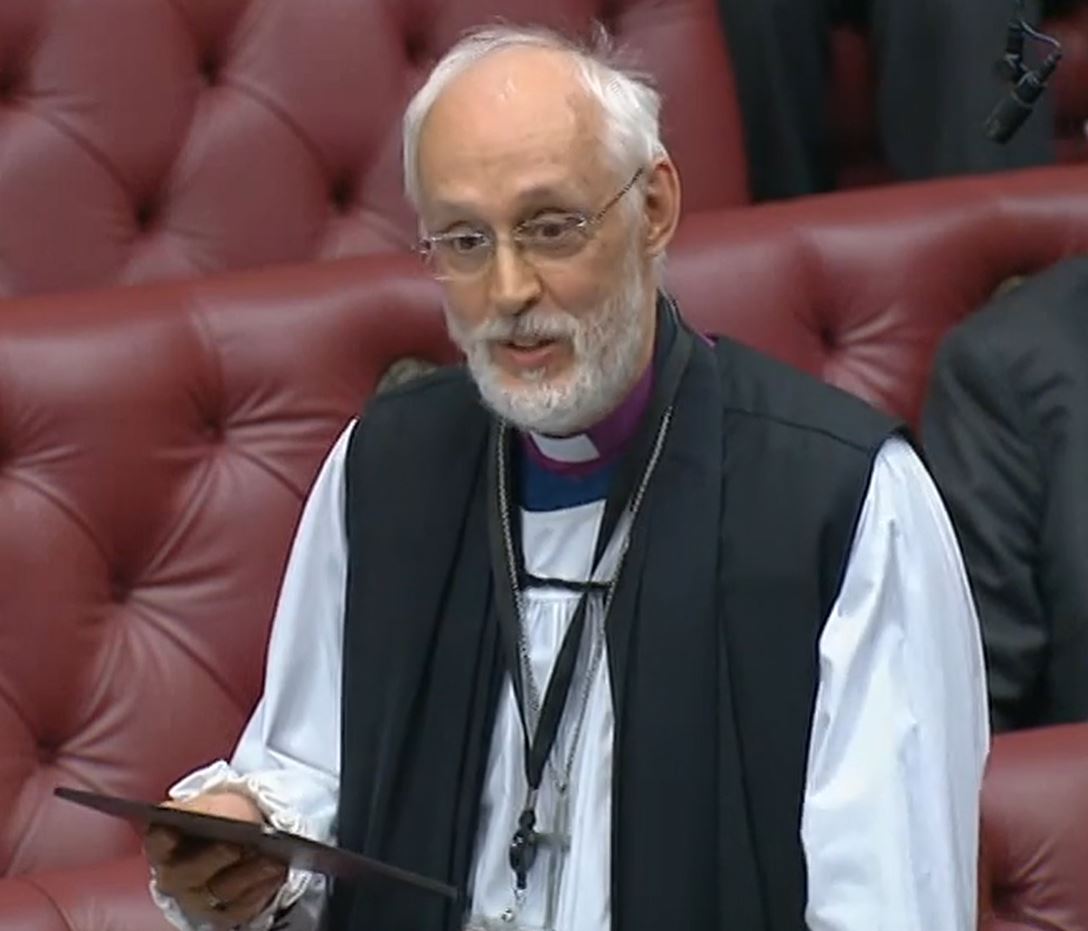
On 4th February 2026, the Bishop of Manchester spoke during a debate on a motion to approve the Public Order Act 2023 (Interference With Use or Operation of Key National Infrastructure) Regulations 2025 (adding the life sciences sector to the list of key national infrastructure), and an associated fatal motion in the name of Baroness Bennet of Manor Castle, expressing his concern at potential legislative overreach:
The Lord Bishop of Manchester: My Lords, it is always a pleasure to follow my noble and right reverend friend. I will be brief. It has been very clear to me in this debate that we need the life sciences in this country, and we probably conduct them in a better manner than many other parts of the world do, and that is a good reason for maintaining them here.
I am really grateful for what the Minister said in opening: that we are hoping to phase out animal testing as quickly as we can, but that is not practicable yet. Many of the horrendous examples referred to, such as the death threats received by the noble Lord, Lord Winston, and the throwing of spikes, are criminal offences already. We do not need to add them to the schedule to make them criminal offences. We need to be clear that this is about adding actions that are not crimes at the moment to what is criminal.
As the conversation has gone on, I have become concerned about legislative overreach. I am concerned not just about this instance; this House and this country work on precedent, and if we allow secondary legislation to make such a change today, what will inhibit future Governments in making even more egregious changes through secondary legislation—or Henry VIII clauses if we want to call them that?
Although I cannot vote in favour of the fatal amendment today, having heard your Lordships’ debate, I would appreciate some reassurances from the Minister. What are the limits? How wide could this go? Does today not set a precedent that will enable future Ministers to place very wide statutory instruments before us that go beyond what was discussed when the original Bill was considered?
I would have preferred that this be dealt with separately through a small Bill, but we are where we are.
Extracts from the speeches that followed:
Baroness Grender (LD): My Lords, these Benches will support the amendment tabled by the noble Baroness, Lady Bennett of Manor Castle, if she decides to test the opinion of the House. I thank all Peers across the House for their powerful contributions on transparency, proportionality and the right to dissent.
The UK’s life sciences sector is something that we should cherish. It is a jewel in our economic crown, generating tens of billions of pounds in annual turnover and employing hundreds of thousands of people across the country. However, the protection of this essential industry, while necessary, should never come at the expense of our fundamental democratic freedoms. Sadly, this statutory instrument is on the wrong side of that argument. Time and again, as my noble friend Lord Beith set out, the previous Conservative Government undermined the right to peaceful protest by passing sweeping unnecessary powers that went far beyond what was needed to maintain public safety. I argue that even at that time, the law covered non-peaceful protest, as has been described by some Members in this debate and set out in the very powerful arguments of the right reverend Prelate the Bishop of Manchester.
We on these Benches consistently opposed the Public Order Act 2023, viewing it as a troubling example of the criminalisation of peaceful dissent and an unwarranted expansion of policing powers. It is therefore heartbreaking to see the new Government choosing to follow this same path rather than reversing some of those damaging restrictions.
Lord Hanson of Flint (Lab, Home Office): The reason we have introduced this measure now is due to the nature of the disruption to the life sciences sector from disruptive protests. There is a very real risk to our national health resilience, and we must act now to increase the powers available to the police to deal with this activity. The independent review by the noble Lord, Lord Macdonald of River Glaven, KC, is familiar to the House and it will look at all aspects of protest legislation. It may or may not deliberate on this aspect of it but, ultimately, we have to act now for the reasons I have mentioned.
The question of whether this is an appropriate use of the SI provision was raised by a number of noble Lords, including the noble Lords, Lord Kerr of Kinlochard, Lord Trees, and Lord Cromwell, the noble Baronesses, Lady Miller of Chilthorne Domer and Lady Fox of Buckley, the right reverend Prelate the Bishop of Manchester, and the noble and right reverend Lord, Lord Sentamu, and possibly others as well. Let me say that when the Public Order Act 2003 was passed, Section 7 deliberately contained a power for a Secretary of State, in this case the Home Secretary, to amend if needed the features of key national infrastructure via secondary legislation. This allowed for speedier examination than primary legislation would normally permit.
 The Church of England in Parliament
You must be logged in to post a comment.