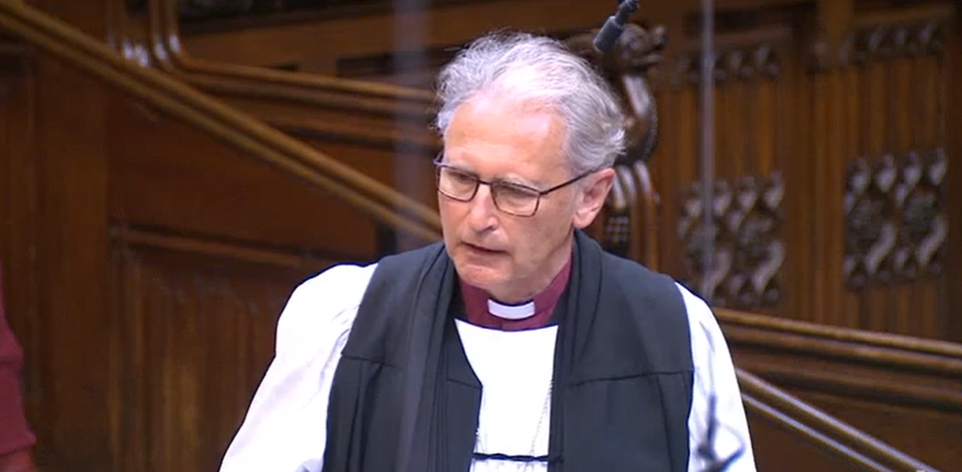
Health and Care Bill: Bishop of Carlisle raises concerns on assisted dying

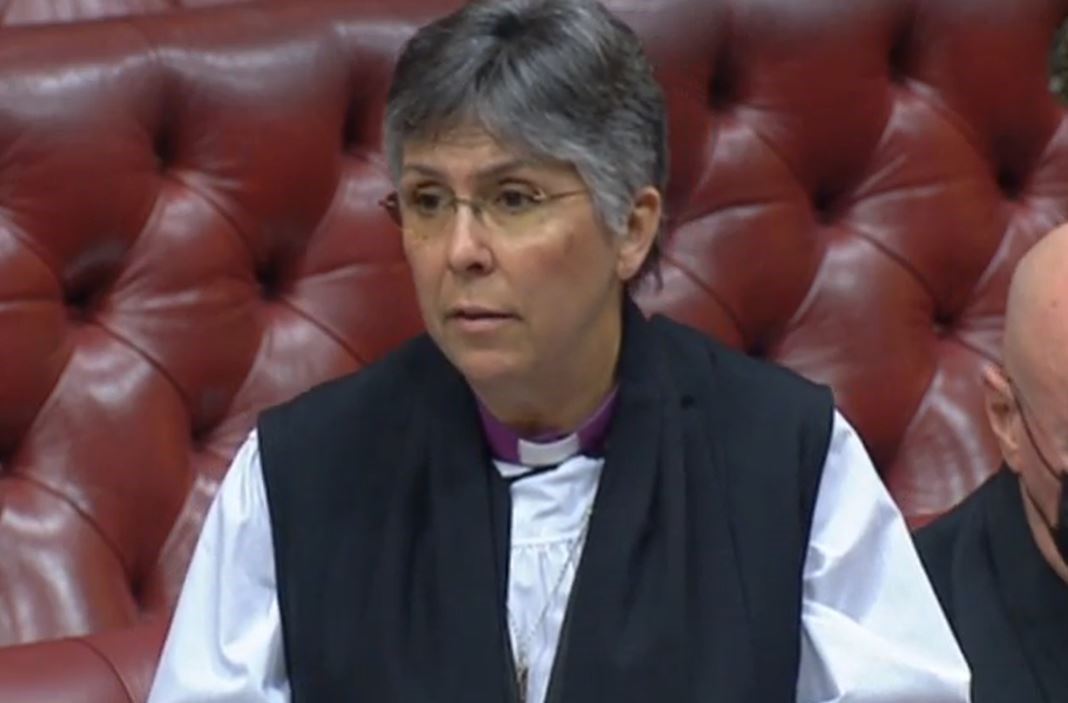
On 26th January 2022, the House of Lords debated the Health and Care Bill in committee. The Bishop of Carlisle spoke on issues of assisted dying contained in amendments to the bill:

The Lord Bishop of Carlisle: My Lords, I recognise and respect the integrity and passion that underlie Amendment 297. However, I rise to agree wholeheartedly and briefly with those noble Lords and noble and learned Lords who have already expressed their significant reservations about it.

There are two problems in particular with that amendment. The first has to do with the many contentious arguments for and against any legislation permitting assisted dying, some of which have already been mentioned. Tempting though it is to rehearse some more of those, I am conscious not only of the time but of the fact that they have already been presented recently and at length, as we have been reminded by the noble and learned Lord, Lord Mackay, at Second Reading of the Assisted Dying Bill here in your Lordships’ House. The ongoing process of that Bill, however slow it may be, should not be undermined. We have also been assured that this is not primarily what Amendment 297 is all about. I might add that the terminology of that amendment is unhelpfully vague. “Vague” is a word that has already been used more than once in the debate today. For instance, we might ask exactly what is meant by “terminally ill” or “medical assistance”.

Continue reading “Health and Care Bill: Bishop of Carlisle raises concerns on assisted dying”

Health and Care Bill: Bishop of Carlisle supports amendments requiring specialist palliative care services

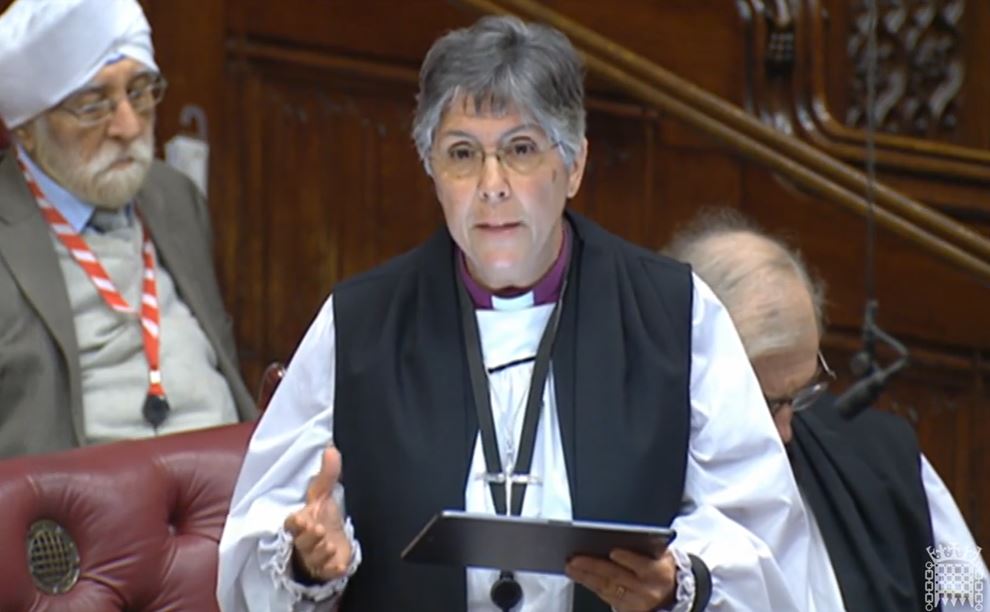
On 18th January 2022, the House of Lords debated amendments to the Health and Care Bill. The Bishop of Carlisle spoke in the debate, supporting amendments tabled by Baroness Finlay of Llandaff that would require specialist palliative care units to be set up in the UK:

The Lord Bishop of Carlisle: My Lords, it is always a pleasure to follow the noble Lord, Lord Patel. I am pleased to give my wholehearted support to Amendment 47 and to Amendment 52, to which I have added my name, which compellingly requires the commissioning of specialist palliative care services in every part of England. Throughout my life and work I have often had the privilege of being present with families and communities, supporting people of all ages through the final chapter of their life, so I have seen at first hand the enormous difference that high-quality palliative care can make to their experience of dying, death and bereavement.

However, as the noble Baronesses, Lady Brinton and Lady Masham, pointed out, 90% of people might need such care, but as things stand at present only about half of them will receive it. What is more, it is all too often those in our most deprived communities who are dying without the help and dignity they deserve.

To that end, a compelling body of evidence has been provided by Marie Curie, the end-of-life charity, which has been mentioned several times already in this debate. Building on that evidence, this amendment will not only prevent many people with a terminal illness dying in pain but deliver significant cost savings to the NHS by reducing unnecessary hospital admissions.

Continue reading “Health and Care Bill: Bishop of Carlisle supports amendments requiring specialist palliative care services”

Health and Care Bill: Bishop of Birmingham supports strengthening services for children and young people

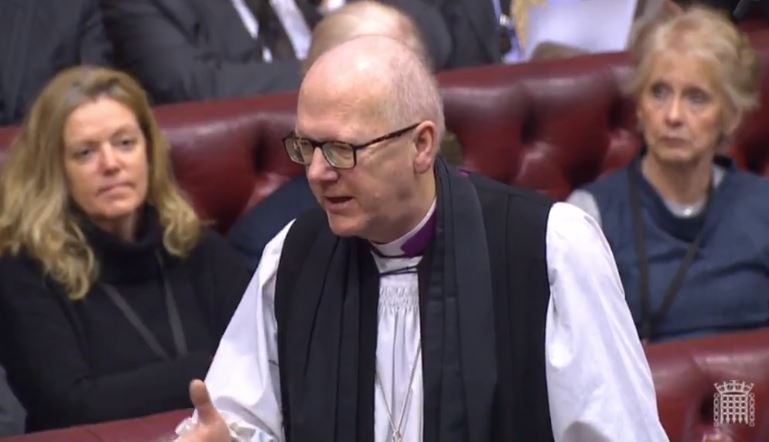
On 18th January 2022, the House of Lords debated the Health and Care Bill. The Bishop of Birmingham, on behalf of the Bishop of London, spoke in support of amendments aimed at strengthening public health services for children and young people:

The Lord Bishop of Birmingham: My Lords, on behalf of my right reverend friend the Bishop of London, who cannot be in her place today, I speak in support of Amendment 141, to which she has put her name, alongside all the amendments, which I too support, having listened to the discussion and read them carefully. They all aim to strengthen the services for children and young people. The Government should be congratulated on continuing in the NHS a long period—perhaps 20 to 30 years—of raising the profile of children and young people. The work of the clinical director should be noted, and the involvement of young people in the design of services, although we have already heard this morning that this could be increased.

Continue reading “Health and Care Bill: Bishop of Birmingham supports strengthening services for children and young people”

Police, Crime, Sentencing and Courts Bill: Bishop of Bristol supports necessity of right to protest

During a debate on the Police, Crime, Sentencing and Courts Bill on 17th January 2022, the Bishop of Gloucester voiced concerns regarding provisions in the bill that would restrict noise in protests:

The Lord Bishop of Bristol: The city of Bristol is a city of activists and protesters, and it has been so for a very long time, particularly at the time of the Great Reform Bill. Many protests nowadays focus on College Green, in the shadow of the cathedral; as a result, I am well aware of the passion and commitment of Bristol activists, and the very real hurt and trauma when protests are mishandled.

Often protests can be annoying, and often they are disruptive—but that is the point. Public spaces, like College Green in Bristol and Parliament Square, are places which are felt to belong to the public, and which have been places where decision-makers like us are confronted by people’s concerns.

Continue reading “Police, Crime, Sentencing and Courts Bill: Bishop of Bristol supports necessity of right to protest”

Police, Crime, Sentencing and Courts Bill: Bishop of Leeds questions definition of “significant” disruption

On 17th January 2022, during a debate on the Police, Crime, Sentencing, and Courts Bill, the Bishop of Leeds spoke in support of amendments to relating to the definition of “significant” disruption caused by protests:

The Lord Bishop of Leeds: My Lords, I have a number of problems with this part of the Bill that are to do with form and content. The fact that these amendments were brought in at the stage they were seems an abuse of parliamentary scrutiny. Some of the debates we are having could have been sorted out had they been addressed in the normal way. That fits into a pattern of intimations about breaking the rule of law and the authoritarian complexion of the way in which some things are being done in, through or around Parliament. That is my problem with form.

Continue reading “Police, Crime, Sentencing and Courts Bill: Bishop of Leeds questions definition of “significant” disruption”

Votes: Police, Crime, Sentencing and Courts Bill

On 17th January 2022, the House of Lords debated the Police, Crime Sentencing and Courts Bill in its report stage. Votes were held on amendments to the bill, in which Bishops took part:

Continue reading “Votes: Police, Crime, Sentencing and Courts Bill”

Police, Crime, Sentencing and Courts Bill: Bishop of St Albans supports restrictions on hare coursing

On 17th January 2022, the House of Lords debated the Police, Crime, Sentencing, and Courts Bill in the sixth day of the report stage. The Bishop of St Albans spoke in the debate, supporting amendments that would place restrictions and penalties on hare coursing (hunting hares with dogs):

The Lord Bishop of St Albans: My Lords, I declare my interest as president of the Rural Coalition. It is a great delight to stand in the House and congratulate the Government on tabling these amendments to address this very serious rural problem of hare-coursing, which has affected so many landowners and farmers across these islands. In particular, I pay tribute to the noble Lord, Lord Sharpe of Epsom, who really listened to the debate, when people from every part of the Chamber spoke. I know that he has taken that back to others. I am hugely grateful to him for doing that.

Continue reading “Police, Crime, Sentencing and Courts Bill: Bishop of St Albans supports restrictions on hare coursing”

Health & Care Bill: Bishop of London supports voices of patients on Integrated Care Boards

On 13th January 2022, during a debate on the Health & Care Bill, the Bishop of London spoke in support of an amendment to the Health & Care Bill that would allow for patients to be represented on Integrated Care Boards (ICBs):

The Lord Bishop of London: My Lords, I rose on the first day of this Committee to speak to the membership of NHS boards. I rise today for a similar reason: I think it is very difficult to stipulate the membership of boards, just as the noble Baroness has said. However, as I said with NHS boards, I say with ICB boards that I think the voice of the patient is central. Along with my role as the Government’s Chief Nursing Officer, I was director of patient experience while I was in the Department of Health. As a nurse at that time, I believed I had a patient focus. However, I learned that my default was always as a professional and that the patient needs a voice and empowerment. While I recognise the clinical voice and would always want it on the NHS board and the ICB board, it does not replace the voice of the patient and the carer.

Continue reading “Health & Care Bill: Bishop of London supports voices of patients on Integrated Care Boards”

Health & Care Bill: Bishop of St Albans tables amendments on health and social care in rural areas

During a debate on the Health & Care Bill on 13th January 2022, the Bishop of St Albans tabled two amendments on health inequalities in rural areas:

The Lord Bishop of St Albans: My Lords, Amendments 68 and 95 are in my name. I declare my role as president of the Rural Coalition. I support the broad drift of these amendments, which engage with the important issue of reducing inequalities.

Rural health and social care has often presented challenges in terms of proximity to services, the types of services available within a local area and the demographics of rural areas. It is complicated. Rural areas have a higher proportion of older residents, which is always a greater burden on healthcare services compared with areas with younger populations.

Continue reading “Health & Care Bill: Bishop of St Albans tables amendments on health and social care in rural areas”

Health & Care Bill: Bishop of Carlisle supports amendments on health inequality on behalf of the Bishop of London

On 13th January 2022 the House of Lords debated the Health & Care Bill in its second day of committee. On behalf of the Bishop of London, the Bishop of Carlisle spoke in support of amendments seeking to reduce health inequalities:

The Lord Bishop of Carlisle: My Lords, I will speak on behalf of my noble friend the right reverend Prelate the Bishop of London. She has added her name to Amendment 65, and we on these Benches support the other amendments in this group that seek to reduce health inequalities. As we have heard, these amendments would help to ensure that the Bill does not forget the underserved and disadvantaged in our society, many of whom have been mentioned already.

Continue reading “Health & Care Bill: Bishop of Carlisle supports amendments on health inequality on behalf of the Bishop of London”