
Bishops’ letter to The Times on the Rwanda asylum removals policy


14/06/2022

All of the Lords Spiritual signed a letter to The Times voicing alarm about the Government’s plan to send asylum seekers to Rwanda. They wrote:

Whether or not the first deportation flight leaves Britain today for Rwanda, this policy should shame us as a nation. Rwanda is a brave country recovering from catastrophic genocide. The shame is our own, because our Christian heritage should inspire us to treat asylum seekers with compassion, fairness and justice, as we have for centuries. Those to be deported to Rwanda have had no chance to appeal, or reunite with family in Britain. They have had no consideration of their asylum claim, recognition of their medical or other needs, or any attempt to understand their predicament.

Continue reading “Bishops’ letter to The Times on the Rwanda asylum removals policy”
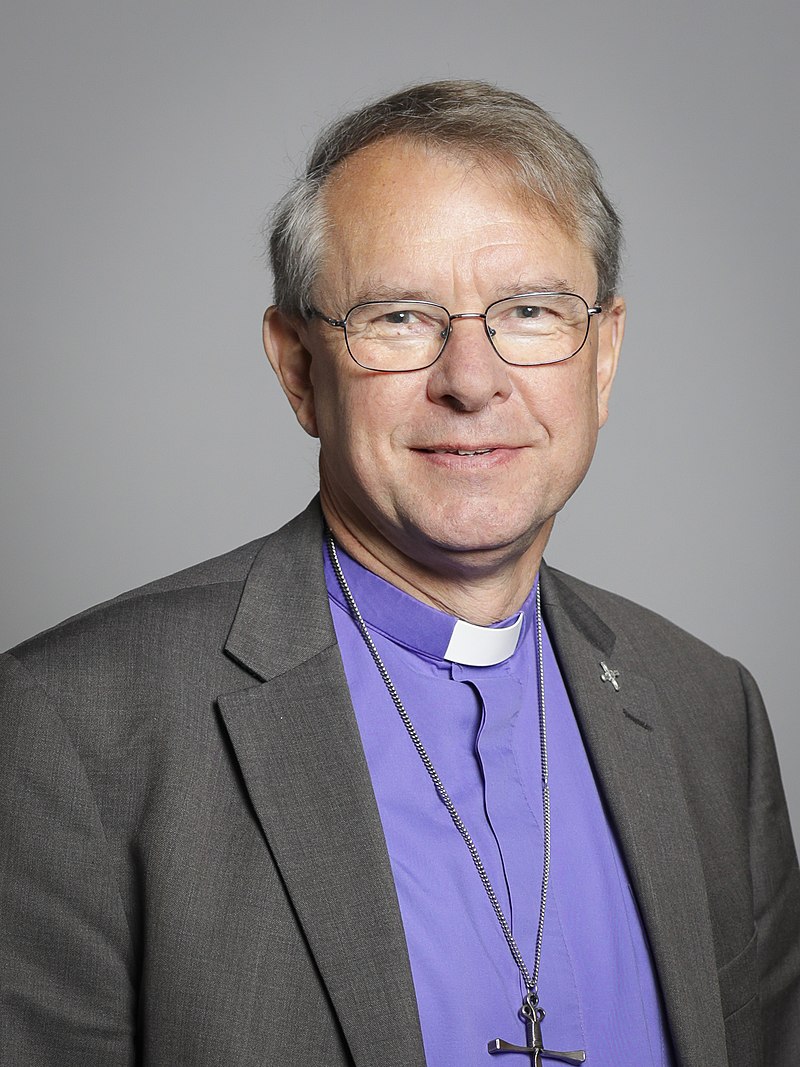
‘Rwanda refugees plan flies in the face of Christian teachings’ – Bishop of Durham

This is the text of an article published in The Independent on 26th April 2022.

Bishop of Durham

The government’s plan is troubling because we are discharging our responsibility to welcoming the stranger, writes the Bishop of Durham, Paul Butler.

In the House of Lords over the past few months, I have been contributing to debates on the Nationality and Borders Bill – engaging with the government’s desire to reform the asylum system. My starting point is the Christian commitment to welcoming the stranger, treating them as we would each other.

Continue reading “‘Rwanda refugees plan flies in the face of Christian teachings’ – Bishop of Durham”

Bishop of St. Edmundsbury and Ipswich introduced

On Monday 21st March 2022 the Bishop of St. Edmundsbury and Ipswich, Rt Revd Martin Seeley, was introduced to the House of Lords and took his seat on the Bishops Benches as a Lord Spiritual.

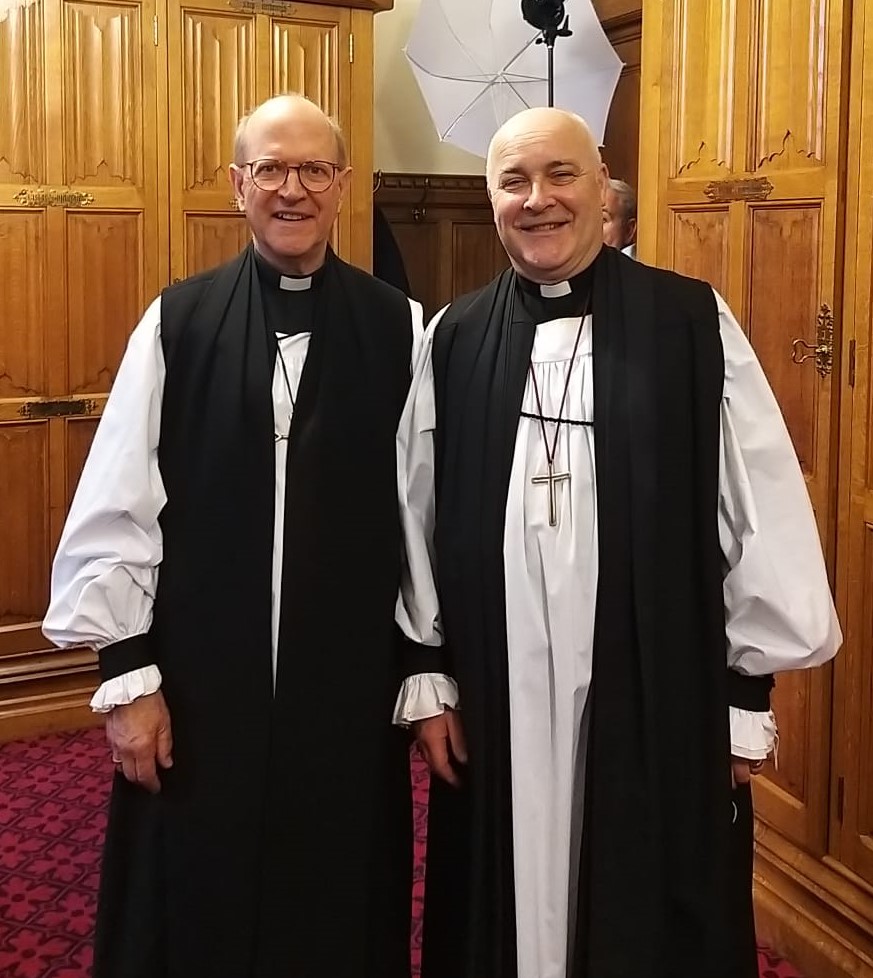
The Bishop of St. Edmundsbury & Ipswich in the Bishops’ Robing Room before the introduction, with one of his sponsors the Archbishop of York. Photo by Jess Reedy.


Continue reading “Bishop of St. Edmundsbury and Ipswich introduced”

Bishop of Guildford introduced

On 9th February 2022, Rt Rev Andrew Watson, the Bishop of Guildford, was introduced to the House of Lords and took his seat on the Bishops Benches as a Lord Spiritual.

Hansard records that:

Andrew John, Lord Bishop of Guildford, was introduced and took the oath, supported by the Bishop of Birmingham and the Bishop of Carlisle, and signed an undertaking to abide by the Code of Conduct.

Bishop of Liverpool introduced

On 15th November 2021, the Right Reverend Paul Bayes, Bishop of Liverpool, was introduced to the House of Lords and took his seat on the Bishops Benches as a Lord Spiritual.

Hansard records that:

Paul, Lord Bishop of Liverpool, was introduced and took the oath, supported by the Lord Bishop of St Albans and the Lord Bishop of Manchester, and signed an undertaking to abide by the Code of Conduct.

Bishop of Exeter introduced

On 15th November 2021, the Right Reverend Robert Atwell, Bishop of Exeter, was introduced to the House of Lords and took his seat on the Bishops Benches as a Lord Spiritual.

Continue reading “Bishop of Exeter introduced”

Bishop of Chelmsford introduced

On 1st November 2021, the Bishop of Chelmsford, the Rt Revd Dr Guli Francis-Dehqani was introduced to the House of Lords and took her seat on the Bishops Benches as a Lord Spiritual.

Continue reading “Bishop of Chelmsford introduced”

Bishop of Durham: why are bishops in the Lords?

It is an extraordinary responsibility to attend Parliament. As bishops, our faith compels us to raise questions with those in power about people on the margins, children, the voiceless, the many attacks on human rights abroad, and solutions to the climate emergency.

We are not there to simply defend the interests of the established church, or speak only for people of faith, but to play our own part in holding our elected powers to account on behalf of those who need us most, and help the process of making better law.

We have been at the forefront of recent campaigns in Parliament on justice for leaseholders facing fire safety costs, on prison reform, welfare of migrants and refugees, and on harms caused by gambling.

Continue reading “Bishop of Durham: why are bishops in the Lords?”

Introduction of former Archbishop Sentamu as a life Peer

On 25th May 2021 the former Archbishop of York, Rt Revd John Sentamu was introduced to the House of Lords to sit as an independent Crossbench Peer. He will sit under the title Lord Sentamu of Lindisfarne in the County of Northumberland and of Masooli in the Republic of Uganda.

The ceremony of introduction for Baron Sentamu, 25th May 2021


Hansard records:

12.08pm
The right reverend and the right honourable John Tucker Mugabi Sentamu, having been created Baron Sentamu, of Lindisfarne in the County of Northumberland and of Masooli in the Republic of Uganda, was introduced and took the oath, supported by Baroness Hale of Richmond and Lord Popat, and signed an undertaking to abide by the Code of Conduct.

Response to the Budget from the Bishop of Birmingham


03/03/2021

Following the Budget speech, the Bishop of Birmingham, David Urquhart, Convenor of the Bishops in the House of Lords, said:

“This is a time of great uncertainty, and while the Chancellor has rightly focussed on steps to get the economy moving, I’m concerned he has missed the chance to give certainty to those people and families who rely on Universal Credit, by not making the £20 uplift permanent.

“I’ll look at the details of the Budget closely for measures that will help the poorest and most vulnerable, especially access to sustainable jobs. The £19m for Domestic Abuse programmes is welcome as is support for schools to help get children back on the road of educational discovery. The lack of detail on social care is, however, a worry.

“The £300m additional funding for the Culture Recovery Fund is very welcome and will support the many small businesses and independent contractors our churches employ and support. I also note that the Levelling Up Fund prospectus specifically mentions cultural and heritage assets, including churches, and we look forward to churches and cathedrals particularly in areas of high deprivation taking part in this programme.”

Source: CofE website