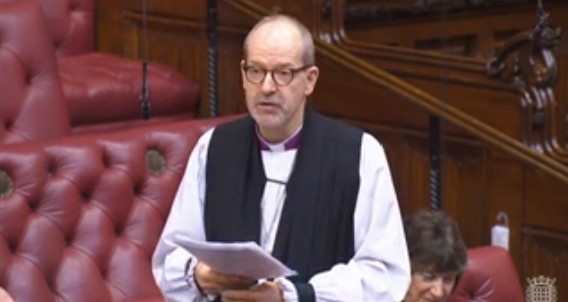
Bishop of Newcastle speaks in debate on education, employment and welfare

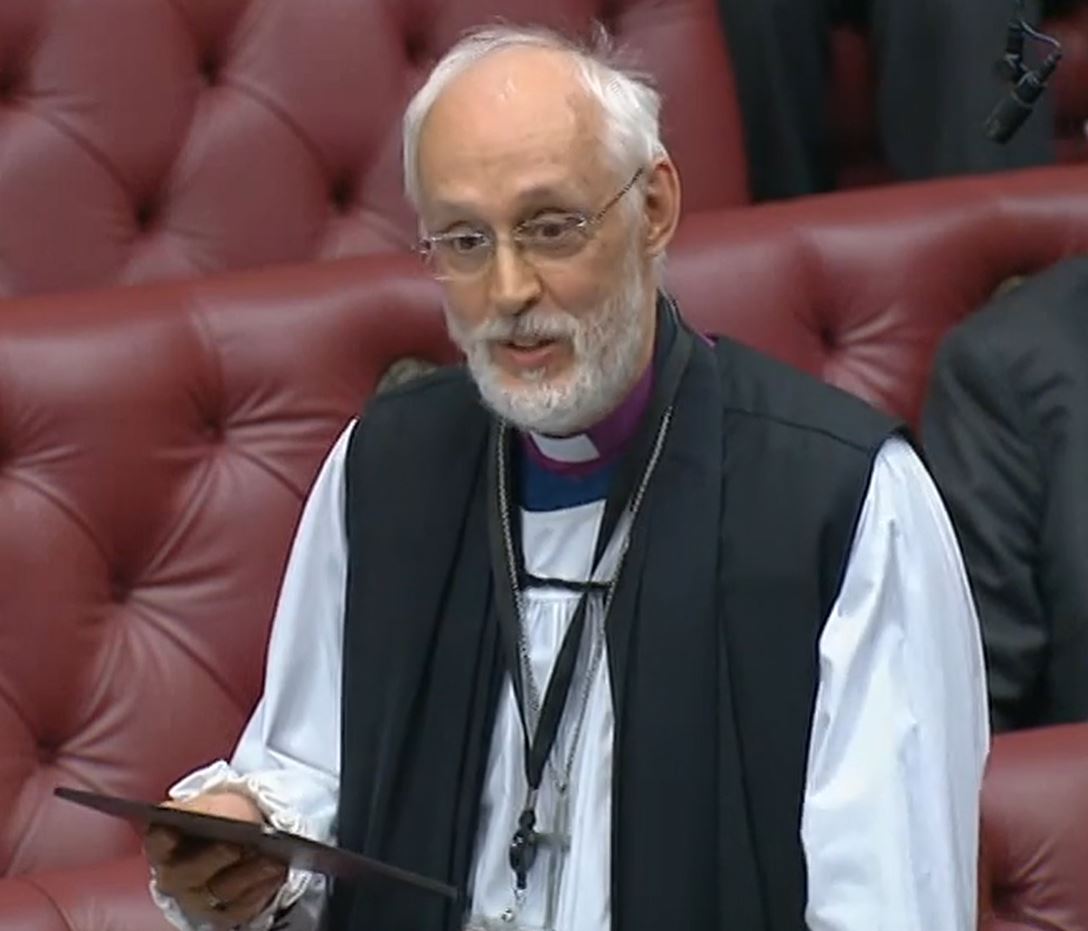
The Bishop of Newcastle spoke in a debate on the government record on Education, Employment and Welfare on 16th July 2026: 

The Lord Bishop of Newcastle: My Lords, I am grateful to the noble Baroness, Lady Evans of Bowes Park, for bringing this debate today, and it is an honour to follow the noble Lord, Lord Mohammed of Tinsley.

I want to focus my comments on opportunity and social mobility. In assessing the Government’s record on education, employment and welfare since July 2024, we cannot ignore the growing loss of humanities provision across higher education. Universities are autonomous institutions, but their decisions are shaped by the wider financial and policy environment.

A successful education system is measured not simply by qualifications or apprenticeships but by the breadth of opportunity it offers. The Social Mobility Commission’s State of the Nation 2024 reminds us that opportunity remains profoundly shaped by geography. When courses disappear from universities across whole regions, it is often students without the financial means to relocate who lose more opportunities first. Those from more affluent backgrounds can frequently move elsewhere or absorb the additional costs of studying further from home; those from less advantaged backgrounds often cannot. As a result, talent is constrained not by ability but by circumstance.

Continue reading “Bishop of Newcastle speaks in debate on education, employment and welfare”
Bishop of Manchester asks about regional growth and employment

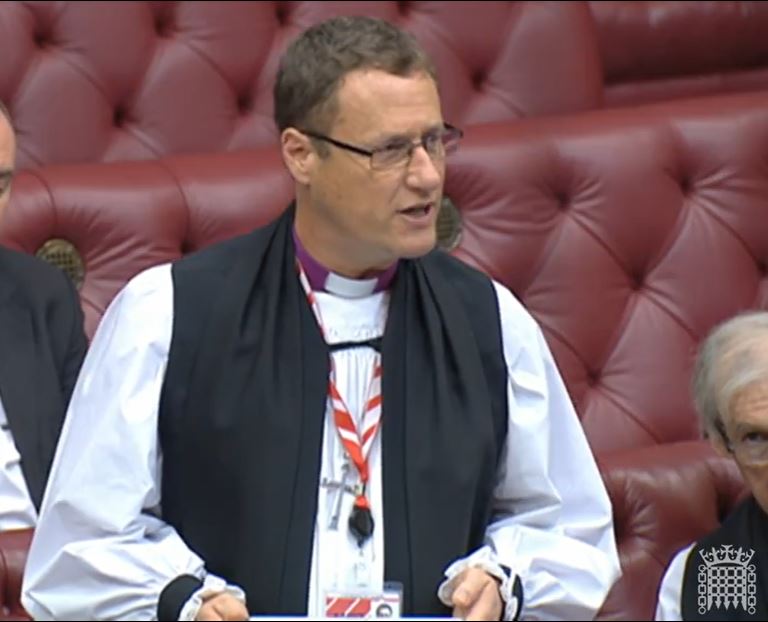
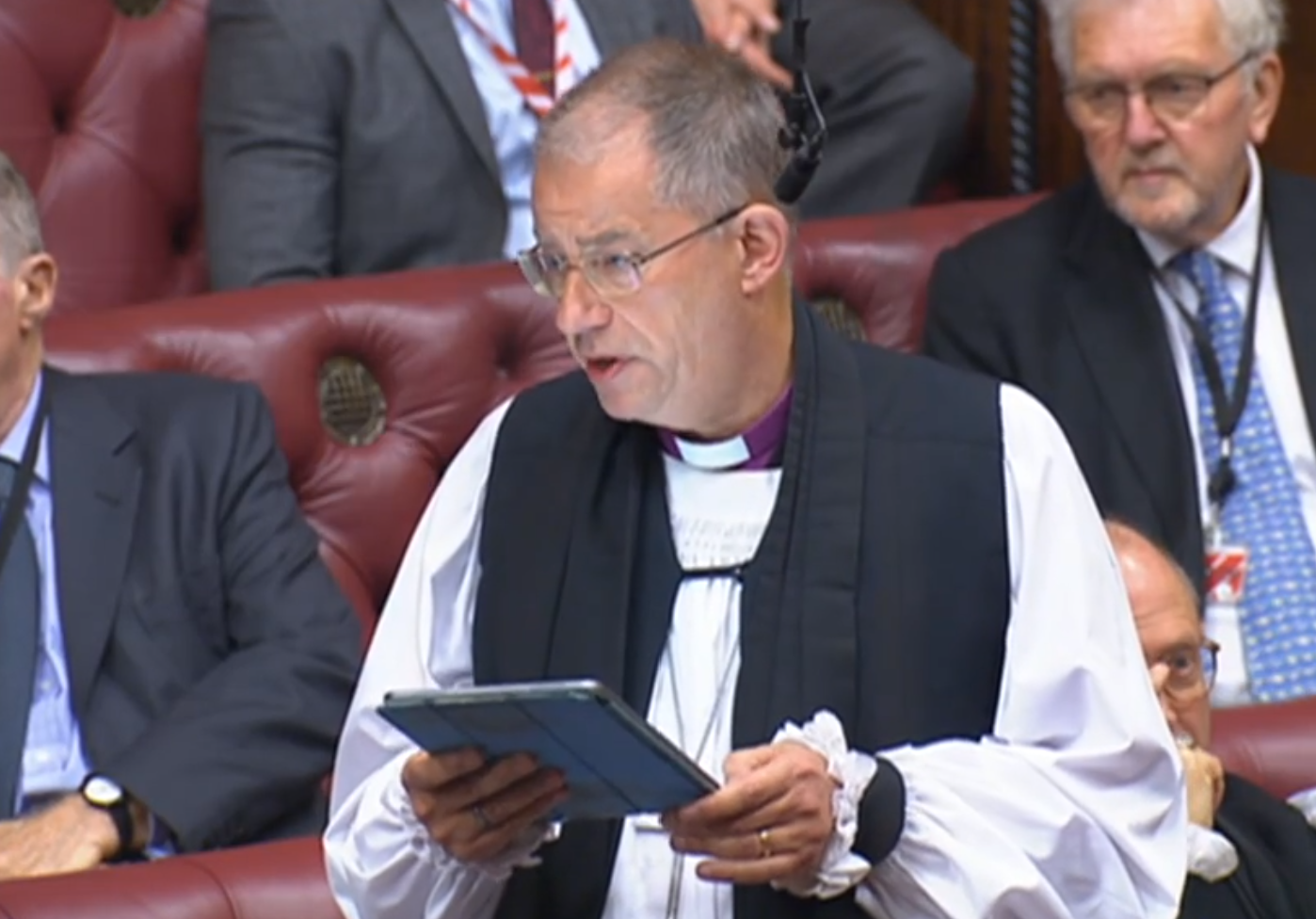
The Bishop of Manchester asked a question on growth and employment in greater Manchester during a discussion on business hiring and its impact on the wider economy on 14th July 2026:

The Lord Bishop of Manchester: My Lords, the area of Greater Manchester, which is largely coterminous with my diocese, has been showing better growth and better employment figures than most other parts of the country. I wonder whether the Minister might reflect that what the wider country needs is a good dose of Manchesterism.

Continue reading “Bishop of Manchester asks about regional growth and employment”

Bishop of Oxford takes part in debate on role of AI in society

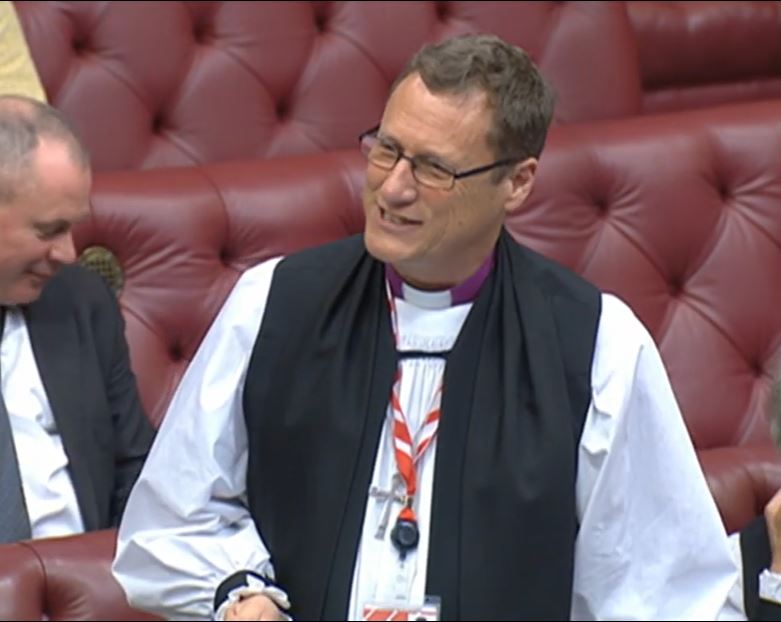
The Bishop of Oxford spoke in the Archbishop of Canterbury’s debate on AI and society, raising the impact of AI adoption in the workplace and the need for meaningful employment pathways for UK workers:

The Lord Bishop of Oxford: My Lords, it is a real pleasure to take part in the debate and particularly to follow the noble Lord, Lord Tarassenko, with his wisdom and great knowledge of the field.

Humanity stands at a real crossroads in the present moment. Artificial intelligence brings many potential benefits, as the most reverend Primate the Archbishop of Canterbury said, but also great jeopardy for the world. The Prophet Jeremiah invites the people of his generation facing crisis to:

“Stand at the crossroads, and look, and ask for the ancient paths, where the good way lies; and walk in it, and find rest for your souls”.

Continue reading “Bishop of Oxford takes part in debate on role of AI in society”

Bishop of Hereford asks about impact of AI on jobs

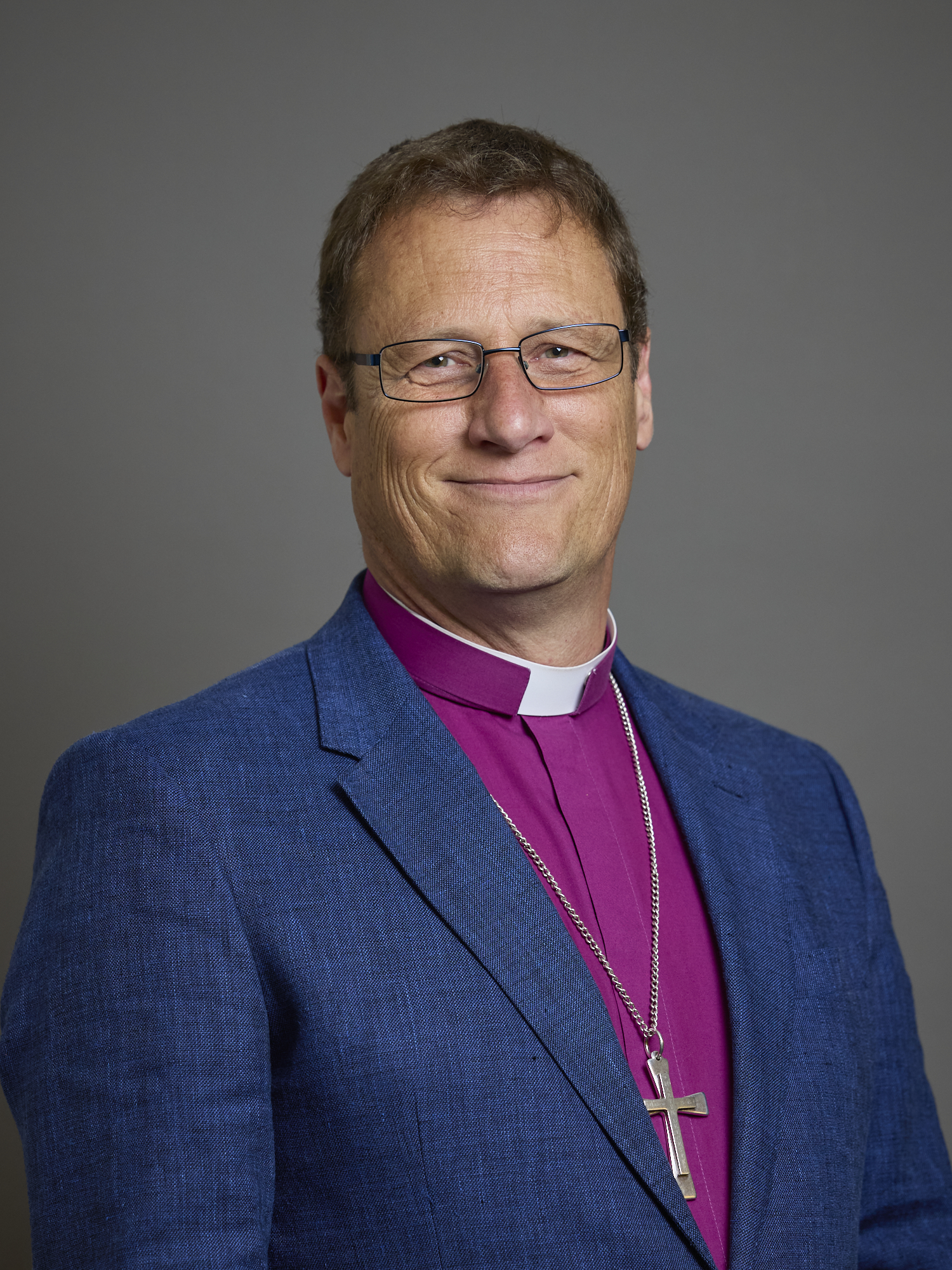
The Bishop of Hereford asked a question on impact of AI in the job market on 4th June 2026:

The Lord Bishop of Hereford: My Lords, I want to ask the Minister about the issue of AI in this context. I speak with some personal experience, in that my son’s partner has recently been made redundant as the result of an AI system that she herself developed. It is inevitable that AI systems will grow, unchecked and unregulated, and will continue to reduce entry-level jobs across a range of sectors. What projections have the Government made of this, and what action do they plan to take to ensure that a healthy entry-level job market will remain for young people?

Continue reading “Bishop of Hereford asks about impact of AI on jobs”

Crime and Policing Bill: Bishop of Manchester supports amendments on civil accountability

On 11th March 2026, the Bishop of Manchester spoke during a debate on an amendment to the Crime and Policing Bill tabled by Lord Davies of Gower which “would prevent the Independent Office for Police Conduct from investigating an officer where that officer has already been investigated and acquitted in court for the same conduct matter,”, opposing the amendment and stressing the need for accountability in civil proceedings:

The Lord Bishop of Manchester: My Lords, can I add my two-penn’orth to this? I declare my interest as the co-chair of the national police ethics committee, but I am speaking more as a serving Bishop. I have to hear disciplinary complaints against clergy. Sometimes those clergy have committed something which is being investigated first by the police. To answer the point from the noble Lord, Lord Hogan-Howe, often the police tell us, “We don’t want you interfering until we have finished”. If the result of the criminal proceeding is that the person is convicted, I can then do quite a summary process in terms of applying a penalty or perhaps depriving that member of the clergy from serving in their parish, perhaps banning them from ministry for a time or for life. But all of that is very much on that balance of probabilities, on the civil standard. It is very different from the criminal standard.

Continue reading “Crime and Policing Bill: Bishop of Manchester supports amendments on civil accountability”

Bishop of Leicester asks about welfare reform

The Bishop of Leicester asked a question on welfare reform during a discussion on the Access to Work Fund on 5th March 2026:

The Lord Bishop of Leicester: My Lords, although I recognise that spending on Access to Work has increased in recent years and applaud the Government’s ambition to support more disabled people into work, this will most likely require more financial investment and more training of specialist staff. Therefore, have the Government assessed how their welfare reforms will affect demand for Access to Work and how the scheme can be strengthened to meet what may be an increased case load in coming years?

Continue reading “Bishop of Leicester asks about welfare reform”

Bishop of Oxford asks about ensuring value of humanity in the world of work

The Bishop of Oxford asked a question on ensuring humanity is centred within the world of work during a discussion on the impact of artificial intelligence on the labour market on 25th February 2026:

The Lord Bishop of Oxford: My Lords, I welcome the new institute, the announcement and the individuals involved. I want to ask a question about the values that the Government will take forward in thinking about this area. What practical steps are they taking to ensure that humanity is at the centre of people’s experience of work, that we are not working for algorithms, and that work is at the centre of humanity and society?

Continue reading “Bishop of Oxford asks about ensuring value of humanity in the world of work”

Church Commissioners Written Questions: Credit Unions

On 23rd February 2026, the Second Church Estates Commissioner, Marsha De Cordova MP, gave the following written answers to questions from an MP:

Church Commissioners: Credit Unions

Gareth Thomas MP (Lab, Harrow West): To ask the hon. Member for Battersea, representing the Church Commissioners, whether the Church will offer payroll deductions to all employees to enable them to join a credit union.

Continue reading “Church Commissioners Written Questions: Credit Unions”

Bishop of Leicester asks about support for youth employment

The Bishop of Leicester asked a question on supporting young people not in work, education, or training on 5th February, during a discussion on youth unemployment:

The Lord Bishop of Leicester: I welcome the Government’s new initiatives in this area, particularly the youth guarantee. Can the Minister tell us how the Government are going to tackle the estimated 500,000 young people who are not in education, employment or training, and who are not claiming benefits either? Are we not at serious risk of a whole generation of young people not being able to use their gifts for the good of wider society?

Continue reading “Bishop of Leicester asks about support for youth employment”

Bishop of Leicester asks about employment and social security

The Bishop of Leicester received the following written answers on 3rd February 2026:

The Lord Bishop of Leicester asked His Majesty’s Government for how long they will remove the right to claim benefits from 18-to-21-year-olds on Universal Credit who do not accept the offer of a work placement through the Youth Guarantee scheme.

Continue reading “Bishop of Leicester asks about employment and social security”