
On 9th September 2020 the Bishop of Oxford, Rt Revd Steven Croft, asked a question of Government about the use of artificial intelligence in dealing with COVID-19:
Covid-19: Artificial Intelligence
The Lord Bishop of Oxford: To ask Her Majesty’s Government, further to the report by the Centre for Data Ethics and Innovation AI Barometer, published on 18 June, what assessment they have made of the benefits and risks of the use of artificial intelligence in addressing the impact of COVID-19.
The Parliamentary Under-Secretary of State, Department for Digital, Culture, Media and Sport (Baroness Barran) (Con): My Lords, artificial intelligence played a very important role in responding to Covid, from identifying potential drug candidates to AI-driven education technology. AI also has the potential to drive productivity gains across sectors, supporting exciting new careers and businesses as an essential part of economic recovery. It is important that we keep society engaged as we do, so the centre’s Covid-19 repositories and its public attitudes surveys inform our understanding of public sentiment. The independent AI Council advises the Government on how best to realise the benefits and mitigate the risks.
The Lord Bishop of Oxford [V]: I thank the Minister for her Answer, and I draw attention to my registered interest as a board member of the Centre for Data Ethics and Innovation. A year ago, the Prime Minister set out a vision, in his speech to the United Nations, for the UK to become a global leader in ethical and responsible technologies. We are discovering more deeply and painfully that ethics, good governance, human mediation and public trust are vital to realise the deeper benefits of these new technologies and prevent real harm. Will the noble Baroness affirm the importance of balancing innovation with a continued emphasis on ethics and good governance across the technology sector? In particular, will she confirm that the long-delayed government response to their own online harms consultation will be published this month, paving the way for much-needed legislation? Continue reading “Bishop of Oxford asks about ethics in technology, and use of AI in coronavirus response”
 The Lord Bishop of Southwark: My Lords, given the concerns in the House about any attempt to derogate from an international treaty and the implications for the peace process in Northern Ireland, will the Minister confirm that the Government are aware that any attempt unilaterally to modify the terms of the withdrawal agreement will adversely affect the confidence of EU citizens resident here, and of British citizens resident in EU countries, in the United Kingdom’s commitments under the agreement, if treaty commitments may be set aside?
 The Lord Bishop of Southwark: The Minister will be aware that council housing lists are running at over 1 million, and in my diocese, private rental is a prohibitive drain on all but the most generous of incomes. Will he outline what proportion of the 300,000 new homes will be assigned to social housing?
  The Lord Bishop of Bristol: My Lords, North Bristol NHS Trust has recently reported on an audit of 110 patients discharged after being severely ill with Covid-19. Of these, 75% were still experiencing serious symptoms three months later. This is just part of the mounting evidence of the long-term effects of Covid-19 even on those with mild infection in the acute phase. What steps are the Government taking to raise public awareness of so-called long Covid and to invest in the care of those who are now chronically ill?
  The Lord Bishop of St Albans [V]: My Lords, it is encouraging to hear about the progress being made, but we are fighting a losing battle if we continue to import saplings rife with diseases that then kill significant numbers of trees. Will the Minister update your Lordships’ House on the tree health resilience strategy and what other steps Her Majesty’s Government are taking to increase biosecurity?
  The Lord Bishop of Bristol: My Lords, I have personally seen through the Anglican Communion’s worldwide partnerships the positive impact that the UK’s overseas aid has made to alleviating poverty. I share the concerns of other Peers about the reports of the Government’s intent to overturn the legal commitment to spend 0.7% of gross national income on aid. At the risk of tedium, I hope that the Minister will continue to give this House assurances that the Government have no such plans, which would reduce the UK’s impact under the UN sustainable development goals.
 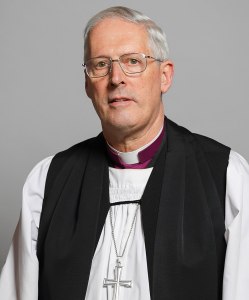 The Lord Bishop of Southwark: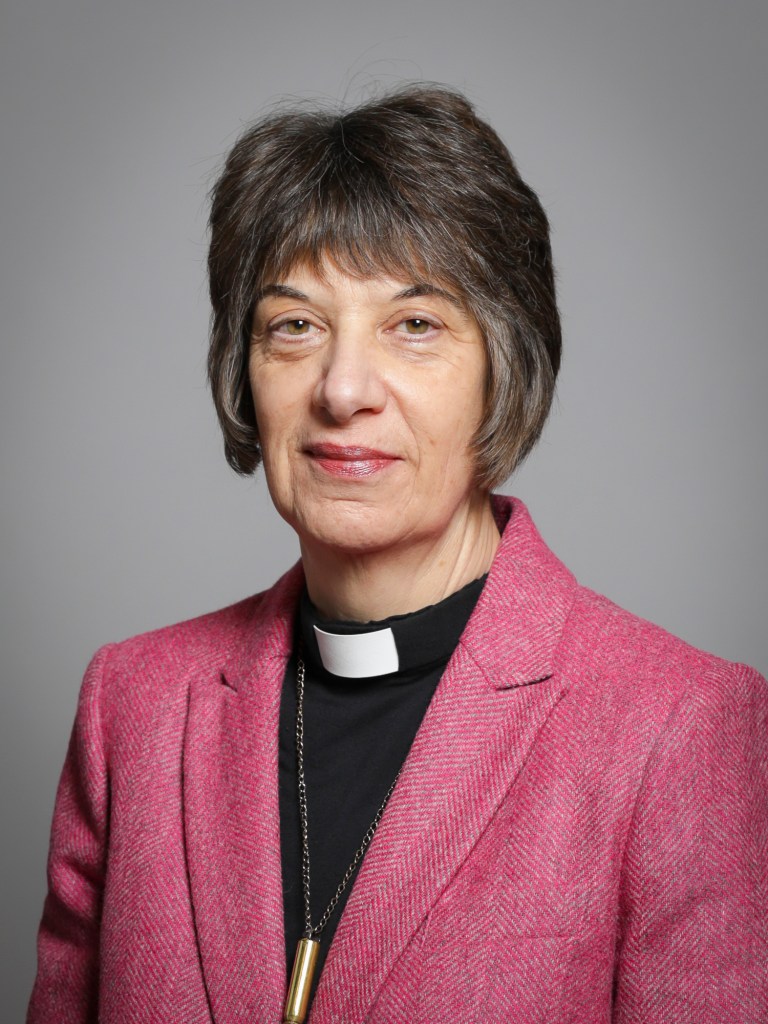

 The Church of England in Parliament
You must be logged in to post a comment.