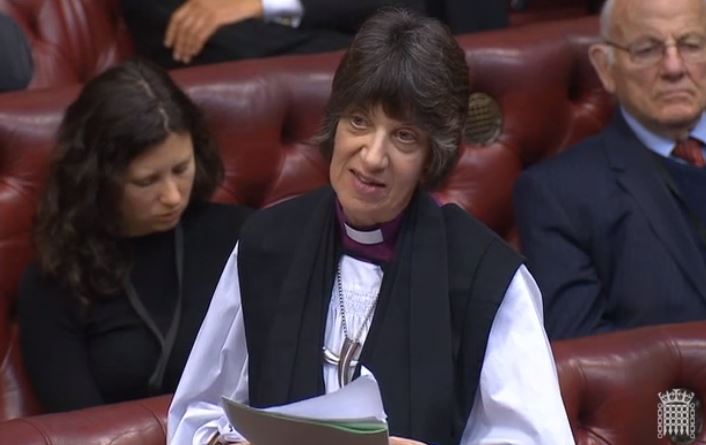
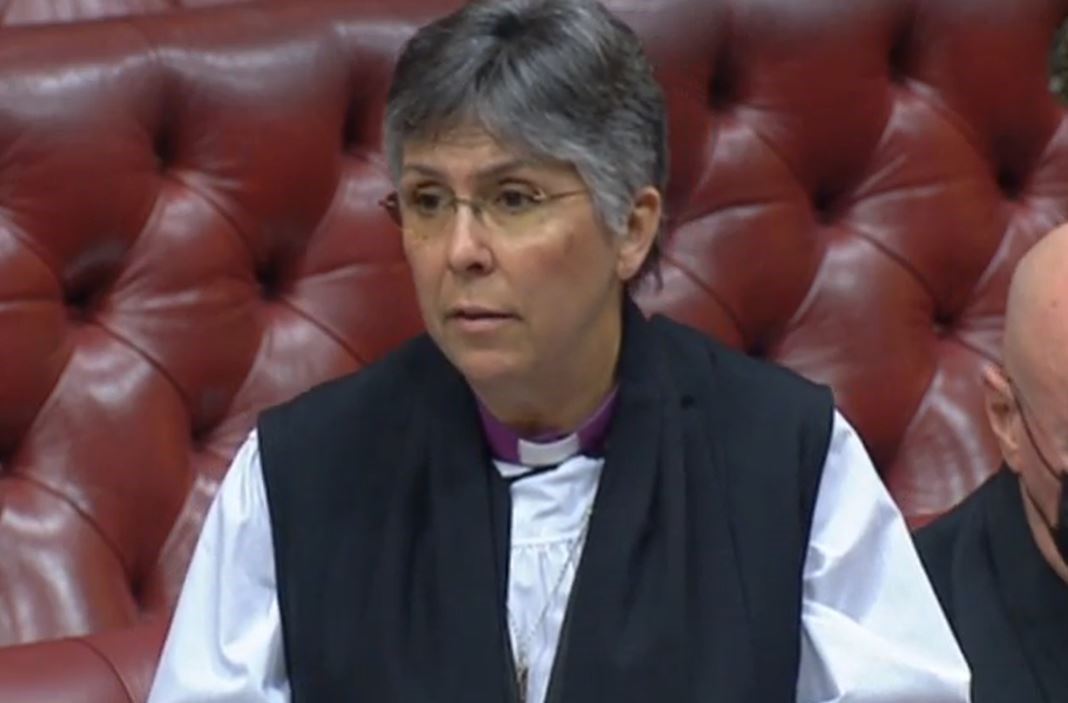
The Bishop of Gloucester asked a question on the importance of including female Afghan leaders in international talks on the status of women and girls under Taliban rule in Afghanistan on 30th January 2025:
The Lord Bishop of Gloucester: My Lords, these measures are taken by men with an absolute lack of transparency and without any involvement of those concerned, and they are clearly aimed at excluding women and girls from public life. Following on from what has been said, are the Government actively meeting female Afghan leaders to hear their perspectives? Will the UK Government help female Afghans to be part of the international talks so that they are able to play a part in the future of the country?
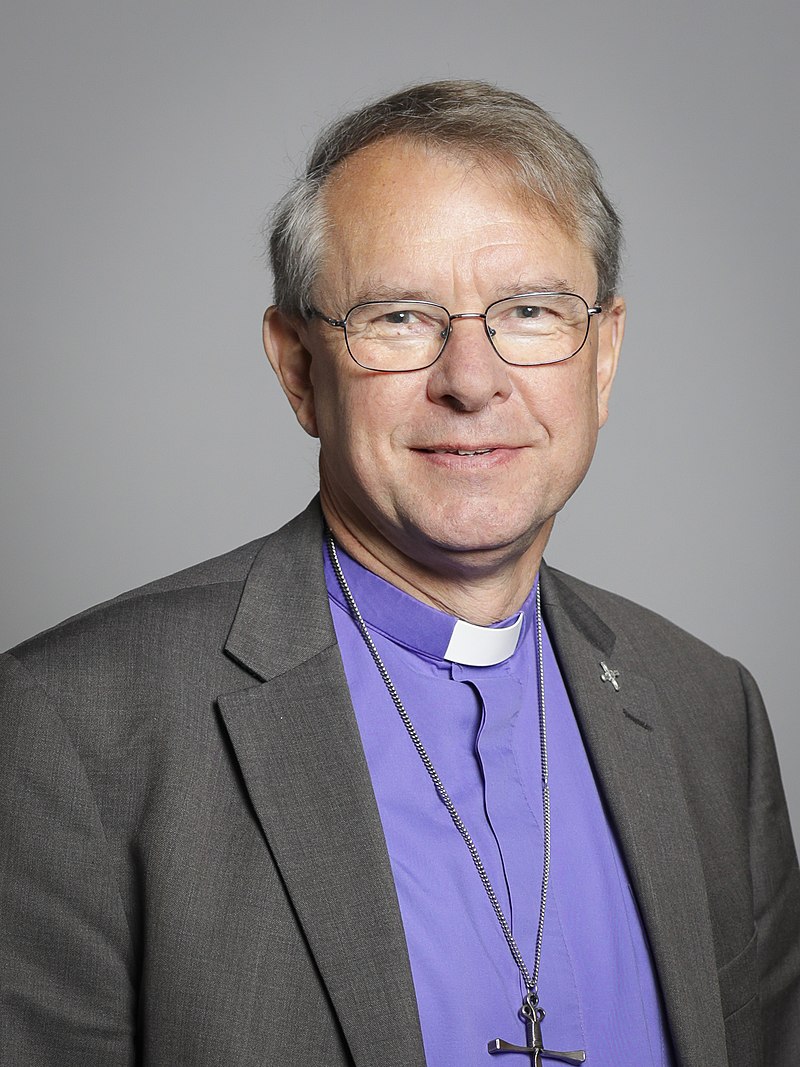
The Bishop of Durham asked a question on the potential for community sponsorship, similar to the Homes for Ukraine scheme, to allow Afghan refugees to come to the UK on 12th December 2023, during a discussion on the threat of deportation faced by former Afghan special forces soldiers currently in Pakistan:
The Lord Bishop of Durham: My Lords, I declare my interest as a trustee of Reset, as laid out in the register. The British population have a lot of sympathy with these Afghans. What work has been done to learn the lessons from Ukraine and see what levels of community sponsorship might be offered to such Afghans who qualify under these schemes, and to welcome them here? I recognise that this is a Home Office question, so I understand if the Minister needs to write.
On 5th July 2023, the House of Lords debated the Illegal Migration Bill in the final day of the report stage. The Bishop of Durham spoke in support of his amendment 162, which would exclude schemes for those displaced from Ukraine, the Afghan Relocations and Assistance Policy (ARAP) and the Hong Kong BN(O) routes from the safe and legal routes cap proposed in the bill:
The Lord Bishop of Durham: My Lords, I again note my interests as laid out in the register. I will speak to Amendment 162. In Committee, I explained the well-intentioned nature of this amendment and hoped it would have afforded the Minister the opportunity to clarify that any cap placed on safe and legal routes would exclude current named schemes already in operation. I appreciate the Minister’s comments. He said:
“The cap will not automatically apply to all current and new safe and legal routes that we offer or will introduce in the future.”—[Official Report, 4/6/23; col. 1980.]
But, with respect, how can local authorities reflect on accommodation provision for new routes without excluding their current commitments from this assessment?
On 14th June 2023, the House of Lords debated the Illegal Migration Bill in the fifth day of committee. The Bishop of Durham moved his amendment 128B to the bill, which would “exclude the schemes for those displaced from Ukraine, the Afghan Relocations and Assistance Policy (ARAP) and the Hong Kong BN(O) routes from the safe and legal routes cap.”
The Lord Bishop of Durham: My Lords, I remind the Committee of my interests with the RAMP project and as a trustee of Reset, as laid out in the register. In moving Amendment 128B, I am grateful to the noble Baronesses, Lady Stroud and Lady Lister, and the noble Lord, Lord Purvis of Tweed, for their support, which, in itself, I hope demonstrates that this whole business of safe and legal routes is a matter about which there is common mind across the House and that we all agree that we need safe and legal routes. I am therefore looking forward to the next couple of hours—as I anticipate it might be—as we explore these issues, because this is really a debate about what is the best, how and when.
This amendment is a straightforward and well-intentioned addition to ensure that any cap placed on safe and legal routes excludes current named schemes already in operation. I hope, therefore, that it is a simple amendment that the Government will be able to accept to help provide clarity. Before I explain the rationale behind the amendment, I should like to comment on the importance of safe and legal routes. Since the pandemic, and following the end of the vulnerable persons resettlement scheme, I have despaired as I have witnessed the breakdown of our contribution to global efforts to support refugees to find sanctuary.
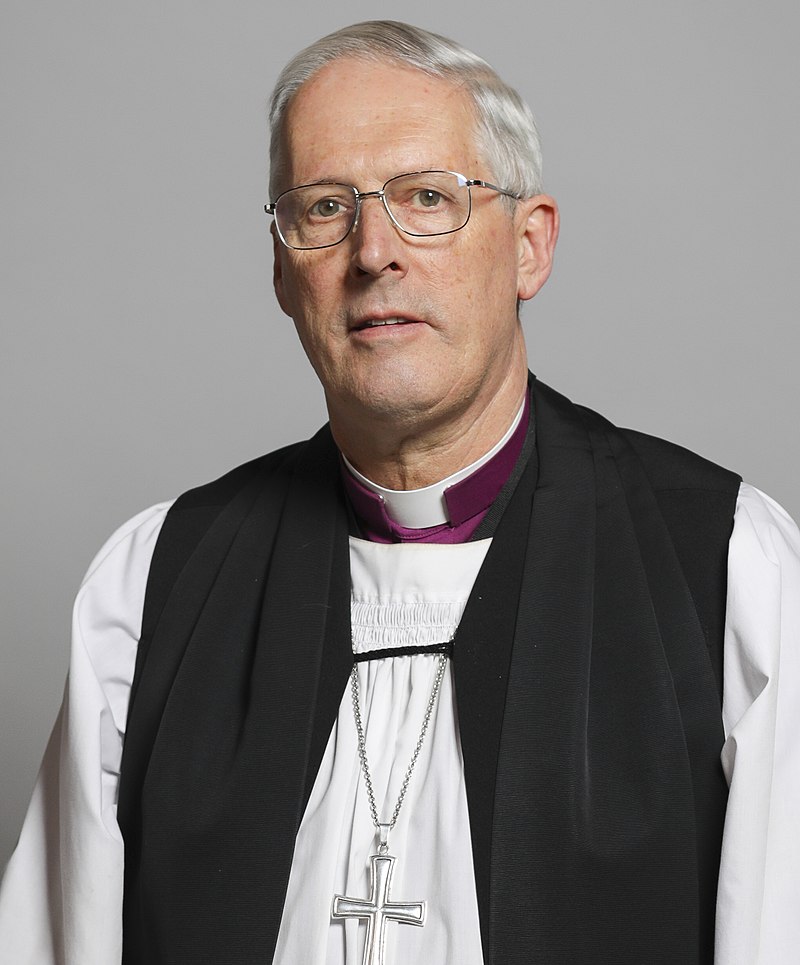
The Bishop of Derby asked a question on targeted funding to aid support and integration for Afghan women being resettled in the UK, following a government statement on the Afghan resettlement scheme on 30th March 2023:
The Lord Bishop of Derby: My Lords, I share many of the concerns that have been expressed about the routes into this country and the nature, safety and appropriateness of the accommodation for those who make it here—those to whom, as we have already noted, we have a moral obligation to extend sanctuary and welcome in this very particular circumstance.
The Bishop of Durham received the following written answer on 30th March 2023:
The Lord Bishop of Durham: To ask His Majesty’s Government how many of the 22 individuals granted resettlement through the Afghan Citizens Resettlement Scheme Pathway 2 in 2022 are currently residing in the UK.
Lord Murray of Blidworth (Con): We are pleased to have now welcomed the first arrivals to the UK under ACRS Pathway 2, and we will continue to welcome many more people as we receive further UNHCR referrals.
The Bishop of Chelmsford asked a question about support for resettlement of Afghan refugees who had worked for the British Council, during a debate on UK Aid to Afghanistan on 11th January 2022:
The Lord Bishop of Chelmsford: My Lords, as we discuss aid to Afghanistan, surely it is also right that we consider those who have worked with us so faithfully on the ground over the years to deliver educational goals. It remains the case that the Afghan citizens resettlement scheme has not resettled any of those who worked for the British Council. Can the Minister please set out what is being done to ensure the promised resettlement of those individuals?
The Bishop of St Albans received the following written answer on 10th October 2022:
The Lord Bishop of St Albans asked His Majesty’s Government how much UK overseas aid they provided to Afghanistan in (1) 2017, (2) 2018, (3) 2019, (4) 2020, and (5) 2021.
The Bishop of Southwark received the following written answer on 21st July 2022:
The Lord Bishop of Southwark asked Her Majesty’s Government what plans they have to relocate (1) interpreters, (2) security guards, and (3) other locally employed government staff, who are still in Afghanistan, back to the UK; and what is the timescale for that relocation.
On 8th July 2022, the House of Lords debated the Refugees (Family Reunion) Bill in its second reading. The Bishop of Durham spoke in the debate on this Private Member’s Bill- his speech and contributions from other peers are below:
The Lord Bishop of Durham: My Lords, I am pleased to speak today in support of this Bill. In doing so, I declare my interests as a member of the Refugee, Asylum and Migration Policy—RAMP—project and as a trustee of Reset.
The Bill proposes sensible provisions to consider the wider notion of family when enabling refugee families to come back together. Family reunification is often a neglected safe and legal route. The simple principle is that those who have been forced apart from family members due to persecution, war and other factors should be able to rebuild their lives with their loved ones when they have been granted protection as a refugee. In recent years, the largest safe route to the UK has been via family reunion, with 90% of those travelling this way being women and children.
It is on children that I would like to focus, namely the right of a child to reunite with their family, particularly their parents, when rebuilding a life here in the UK. Currently, we have the situation where we decide to layer more trauma on a child by expecting them to grow up separated from their parents and be placed in state care. Across Europe, the UK is simply an outlier in this regard.



 The Church of England in Parliament
You must be logged in to post a comment.