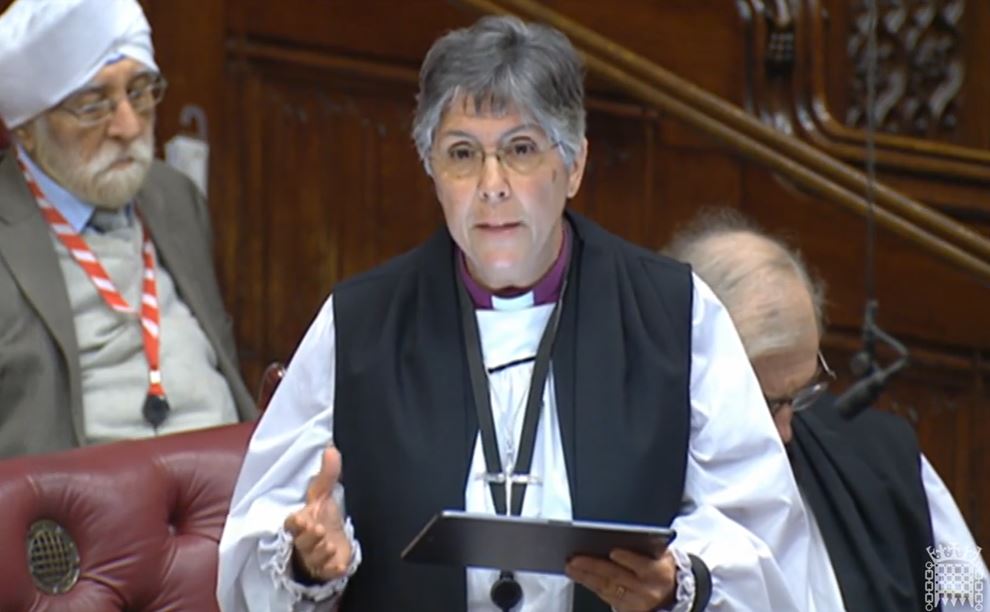
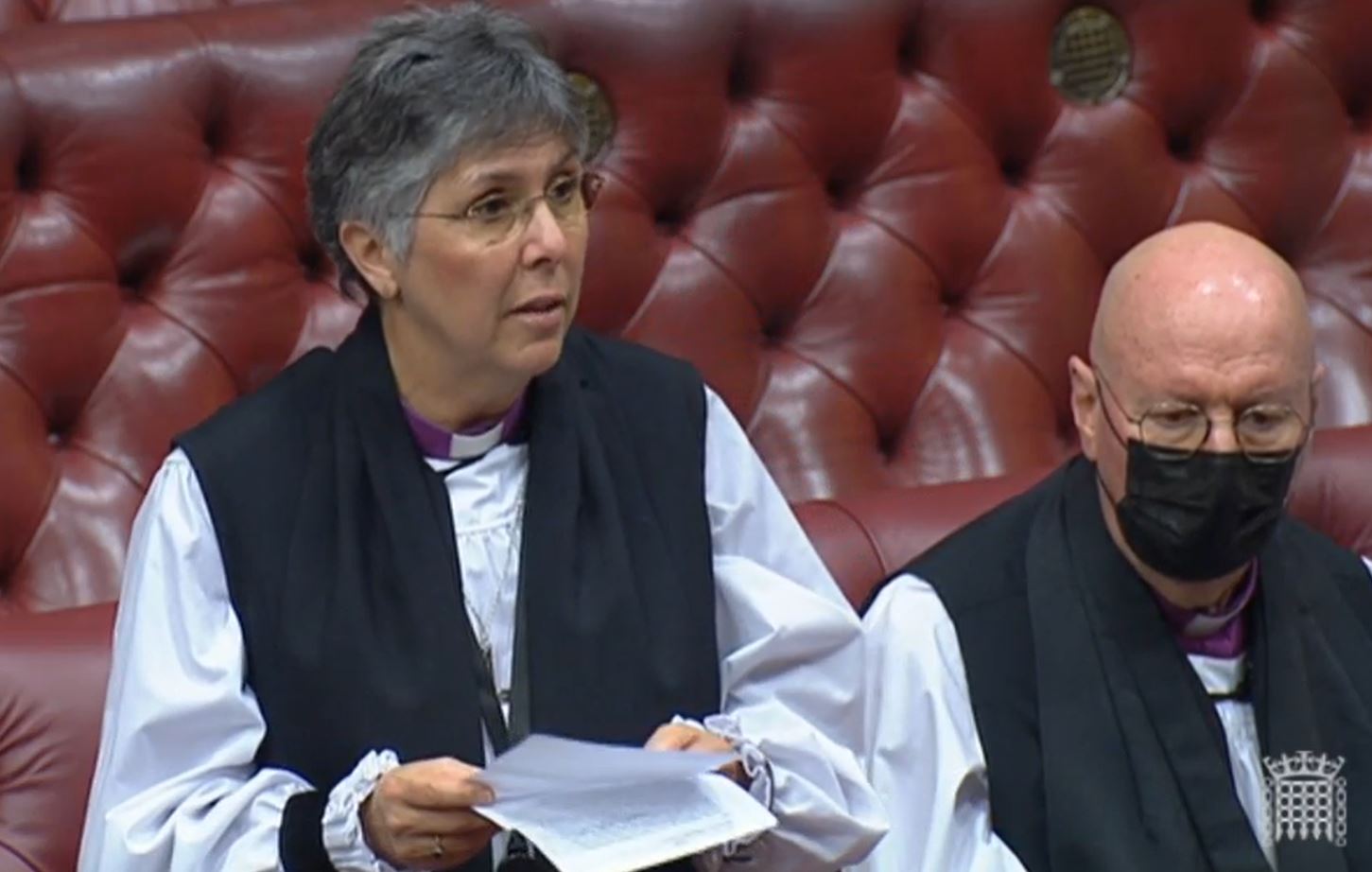
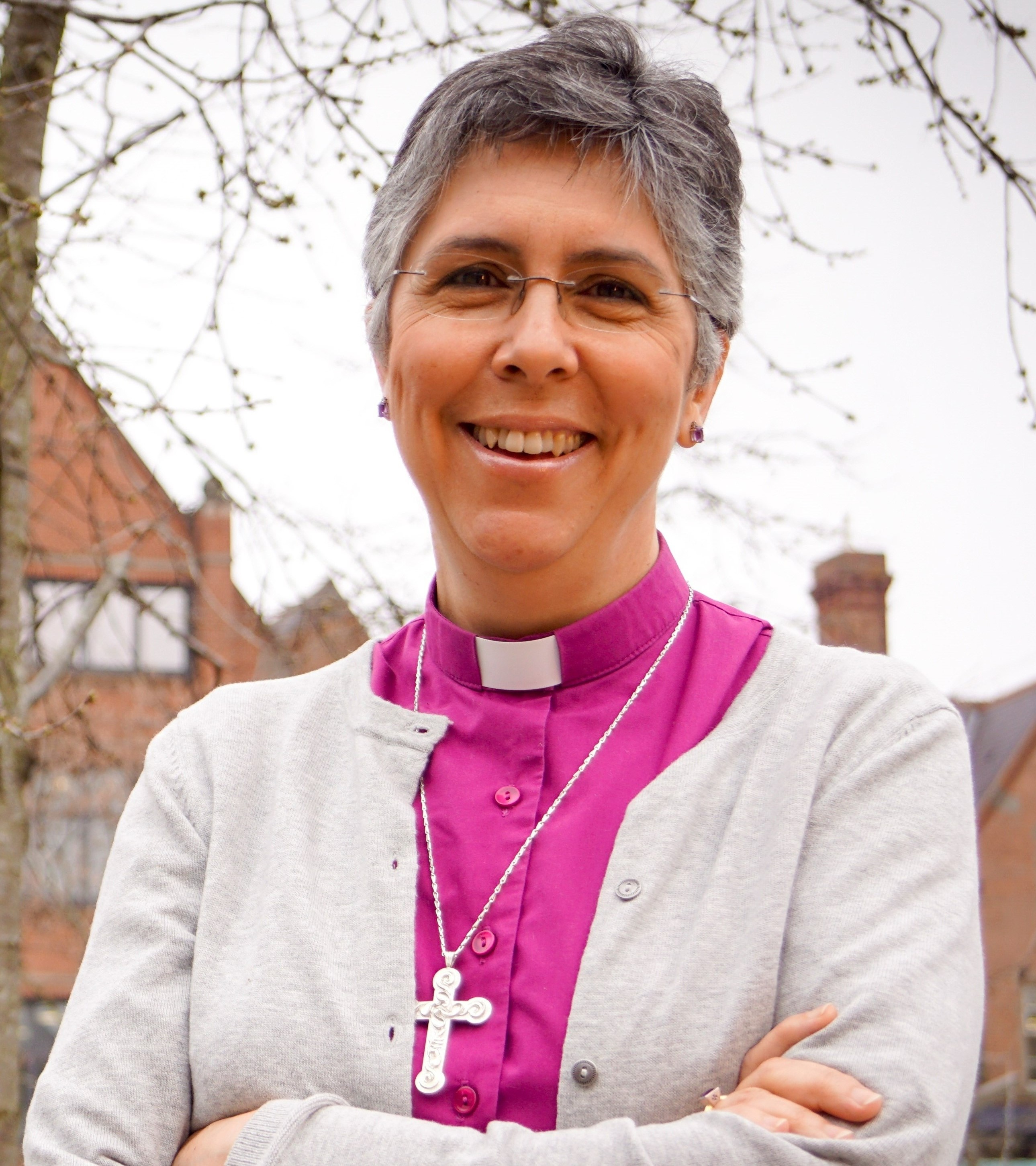
On 10th July 2019 the Parliamentary Under-Secretary of State, Department for Work and Pensions made a statement on universal credit fraud. The Bishop of Chelmsford, Rt Revd Stephen Cottrell, asked a question:
Lord Bishop of Chelmsford: I ask the Minister for a bit of clarification. I do not pretend to understand all the ins and outs of this, but I see a lot of suffering, which now seems to be added to by crime. On the one hand, it is good to hear that it is less than 1%, but that would be no consolation for me if I was one of those people who now has to pay back for the fraud perpetrated against me by someone else. I am sorry if I did not understand the answer. I suppose I am asking the Minister to explain what help those victims will get in the terrible situation they find themselves in.
On 10th July 2019 Baroness Berridge asked the Government “what plans they have to recognise the newly designated United Nations Day for commemorating the victims of acts of violence based on religion or belief on 22 August”. The Bishop of Chelmsford, Rt Revd Stephen Cottrell, asked a follow-up question:
On 9th July 2019 Lord Kennedy of Southwark asked the Government “what is their response to the report by The Children’s Society, Counting Lives: responding to children who are criminally exploited, published on 5 July”. The Bishop of Chelmsford, Rt Revd Stephen Cottrell, asked a follow-up question:
On 12th June 2019 the House of Lords debated a report from the Communications Committee, “That this House takes note of the Report from the Communications Committee Regulating in a digital world (2nd Report, HL Paper 299).” The Bishop of Chelmsford, Rt Revd Stephen Cottrell, who served on the Committee, spoke in the debate.
On 26th February 2019 Baroness Massey asked the Government a question about online safety. The Bishop of Chelmsford, the Rt Revd Stephen Cottrell asked a follow up question:
The Bishop of Chelmsford spoke during debate on two amendments to the Bill. The first, briefly, on an amendment from the Bill’s sponsor Lady Hodgson, to enable the conversion of civil partnerships to marriage, and vice-versa, through the introduction of Regulations that could amend primary legislation, including Church of England Measures. The amendment was passed after debate.
The Lord Bishop of Chelmsford: As Bishop of Chelmsford, I am also proud to be the Bishop of Becontree, Harlow and Basildon, three of the nation’s boldest attempts by policymakers in the last century to address the housing needs of London and the south-east. When Becontree was built in the 1920s, it was Europe’s largest public housing development.
The Lord Bishop of Chelmsford: My Lords, an unregulated digital environment is causing moral decay. There is no time to reiterate the various harms that are being caused, but they are deep-seated, corrosive and pervasive. Just last week I was at a school in Essex talking to 7 to 11 year-olds about their use of a game called TikTok. All of them were using it. The lower age limit for using it is 13. As the noble Baroness, Lady Kidron, pointed out, the digital world assumes that all users are equal and all users are adults, whereas in fact one-third of users worldwide are children. Therefore, their health, well-being and development require us to ensure that the internet, and the many ways that children access it, are as safe as they can be. This has usually meant creating special safe places for children or safety options that can be activated.
On Monday 3rd December 2018 Baroness Benjamin asked Her Majesty’s Government “what financial and other resources will be available to the UK Council for Internet Safety.” The Bishop of Chelmsford, Rt Revd Stephen Cottrell, asked a follow-up question:
The Lord Bishop of Chelmsford: My Lords, for many on these Benches there are measures to welcome in this Budget: for instance, the decision to increase the work allowances within universal credit for families with children and people with disabilities, as other noble Lords have mentioned. This goes a substantial way towards reversing the cuts announced in 2015. Likewise, the announcement of measures to aid the transition to universal credit, worth £1 billion over five years, is also welcome, as is the additional and non-repayable run-on support for new claimants to help people manage during the five-week waiting period before their first payment. However, I am disappointed that the run-on support does not cover the child elements of universal credit.
You must be logged in to post a comment.