
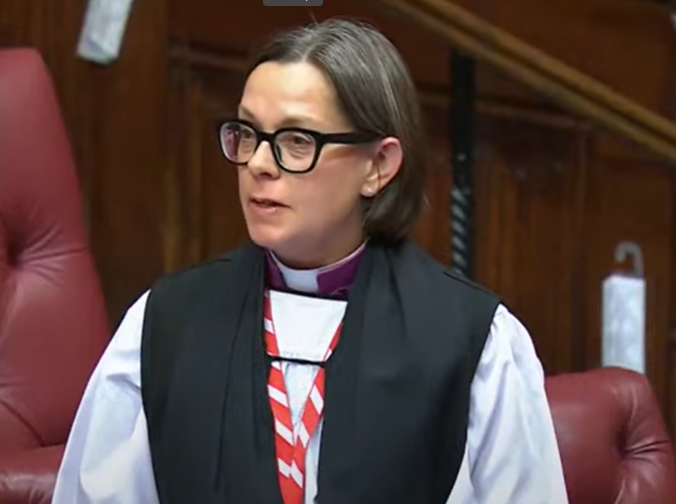
The Bishop of Newcastle spoke at the second reading of the Health Bill on 13th October 2026, stressing the need to reduce health inequalities and empower patients and communities:
The Lord Bishop of Newcastle: My Lords, it is an honour to follow the noble Baroness, Lady Campbell of Surbiton. I note the historic nature of her excellent speech. I congratulate noble Lords who are making their maiden speeches and welcome the wisdom and experience that they will bring to your Lordships’ House.
I welcome this Bill’s ambition to improve care and make better use of resources. I want to highlight three interlinked issues: trust, health inequalities and the relationships on which good care depends.
First, trust matters between government and the workforce, between national and local institutions, and between communities and those providing care. Transferring NHS England’s responsibilities must bring clear accountability while sustaining local decision-making. Restructuring must support staff and protect their capacity to deliver care. The proposed abolition of Healthwatch sharpens these concerns. Independent local organisations give people somewhere trusted and accessible to speak, including where services have failed them. Their independence enables them to challenge decisions and bring forward experiences that might otherwise remain unheard. I therefore welcome the Government’s commitment to reconsider these provisions. Whatever arrangements emerge, independent scrutiny and established local relationships should be protected. Patient voice should influence decisions, particularly where people struggle to navigate the system. Trust takes time to build and can be quickly lost, as we have heard from other noble Lords.
Secondly, reform must narrow health inequalities. In the north-east, healthy life expectancy is around 57 years for both men and women, the lowest of any English region. Behind that figure are people whose working lives, family responsibilities and opportunities are constrained by illness, often alongside poverty and insecurity. In Newcastle and across Northumberland, access to care is shaped by transport, distance and available support. Greater patient choice means little if someone cannot afford the journey. Digital access and a single patient record offer opportunities, but those without connectivity, competence or someone to help must benefit too. Faith communities and voluntary organisations bring trusted relationships and local knowledge. They should be partners in shaping services.
Thirdly, integration must strengthen the relationships that sustain care. Social care must be a full partner in neighbourhood services and shared records, with safeguards for privacy. Duties to commission palliative care must translate into dependable access, wherever people live.
John’s Campaign, with which I have had a long-standing connection, expresses the importance of relationships powerfully. Founded following the experience of John Gerrard, who had dementia, it champions people’s needs to have someone they trust alongside them whenever they receive care. For someone with dementia, a familiar person may help them communicate, eat, understand what is happening and feel safe. They may recognise pain or distress that would otherwise go unnoticed. Their presence is integral to safe and compassionate care. With that, I welcome the Bill’s provisions for promoting visiting and accompaniment. Essential personal support must, however, be distinguished from general visiting, and I will seek to support amendments that will be tabled by the noble Lord, Lord Hunt of Kings Heath, who follows me, on recognising and protecting that distinction.
Children’s needs also need attention. I support ensuring that adopted children’s health records remain safely connected, with confidentiality protected, so that fragmented information does not compromise care. I note that children’s distinct needs receive too little explicit attention in this Bill.
Structural reform must strengthen human relationships, protect patient voice and improve access for those whose needs are greatest. These are the principles against which I will continue to consider the Bill as it proceeds.


You must be logged in to post a comment.