Bishop of London asks about engagement with communities affected by Coronavirus pandemic

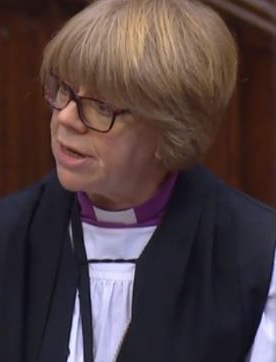
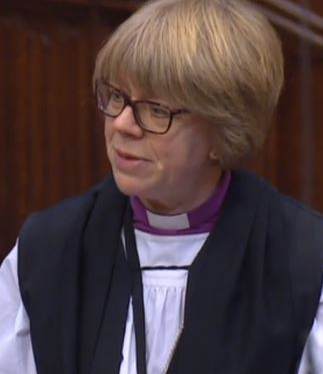
The Bishop of London asked a question on engagement with communities impacted by the COVID-19 pandemic on 13th November 2025, during a discussion on commemoration of the pandemic:

The Lord Bishop of London: My Lords, I add my condolences and prayers to those who lost somebody during Covid, particularly those in the Chamber. I also recognise the hard work of the noble Baroness, Lady Morgan, and the commission. What effort is being made on ongoing engagement with communities to rebuild trust in public services, including the health service, which was lost during Covid?

Continue reading “Bishop of London asks about engagement with communities affected by Coronavirus pandemic”

Bishop of London tables question for debate on support for the bereaved following the COVID-19 pandemic

The Bishop of London tabled a question for short debate on support for those bereaved in the COVID-19 Pandemic on 20th March 2025:

The Lord Bishop of London: To ask His Majesty’s Government, following the COVID-19 Day of Reflection, what steps they are taking to improve support offered to people bereaved as a result of COVID-19.

My Lords, I declare my interest as the former chair of the UK Commission on Bereavement and other interests as set out in the register. Though we are small in number, I am grateful for the opportunity to hold this debate. I am aware that reflection on the impact of Covid-19 is no longer a particularly attractive subject, but I feel strongly that the impact of this world-changing event will continue to be felt in the years to come.

Continue reading “Bishop of London tables question for debate on support for the bereaved following the COVID-19 pandemic”

Bishop of London raises impact of COVID-19 pandemic and health inequalities on during debate on social cohesion

The Bishop of London spoke in the Archbishop of York’s debate on social cohesion on 6th December 2024, speaking on the impact of the COVID-19 pandemic and the effects of widespread health inequalities in the UK:

The Lord Bishop of London: My Lords, I declare my interests as set out in the register, particularly as a commissioner on the National Preparedness Commission. I am glad to be taking part in this debate today. It is a privilege to follow the noble Baroness, Lady Bottomley, and I look forward to the maiden speech of the noble Lord, Lord Sharma, who has much to offer this House. I have the privilege of being Bishop of London, and I can assure the noble Lord, Lord Lilley, that London is full of great diversity of political views. I extend an invitation to him to come and see where we wrestle with some of our Christian faith and politics.

The riots over the summer were a wake-up call to us all to prioritise community cohesion. There is much to be said about this, and I echo much of what my friend the most reverend Primate has already said. I am going to focus my remarks on two issues which are central to this topic but are particularly related to health, although they have a much wider application, and those two topics are trust and partnership.

First, on trust, as the most reverend Primate indicated, we have much to do to improve trust within the Church of England. Not least, we must ensure we have a greater survivor focus and introduce independent safeguarding and mandatory reporting. I join my friend the most reverend Primate in apologising for the shocking failures that the Makin report highlighted.

Continue reading “Bishop of London raises impact of COVID-19 pandemic and health inequalities on during debate on social cohesion”

Bishop of London speaks in debate on COVID-19 Enquiry Report

On 3rd September 2024, the Bishop of London spoke in a debate on the first report of the COVID-19 Enquiry, highlighting the reports findings on pre-existing health inequalities in the UK, and the significance of faith to healthcare needs:

The Lord Bishop of London: My Lords, I declare my interest as set out in the register. It is good to have this opportunity to speak in this debate and to acknowledge the important recommendations of this first report from the Covid inquiry. The pandemic was a seismic event for us all, and a great tragedy for many. My thoughts and prayers go to those who have lost individuals because of the pandemic. My thanks and gratitude go to those who stepped up and beyond to care for and protect us.

I want to highlight a couple of points from the report. The first is that the clearest flaw identified in the risk assessment was the underlying health of the UK population prior to 2020, as mentioned by the noble Baroness, Lady Tyler. We are all aware of the entrenching and exposing effect that the pandemic had on health inequalities. We are all aware of the impact that non-clinical factors such as housing have on our health. We are all aware of the vast difference in healthy life expectancy depending on where we live. We are all aware that those living in more deprived areas are more clinically vulnerable on average, but spend much more time in front-line jobs.

Continue reading “Bishop of London speaks in debate on COVID-19 Enquiry Report”

Bishop of Southwell and Nottingham asks about effects of COVID-19 pandemic on educational attainment

The Bishop of Southwell and Nottingham asked a question on the impact of the COVID-19 pandemic on the educational needs of SEN children on 22nd May 2024, during a discussion on the effects of the pandemic on educational attainment for UK schoolchildren:

The Lord Bishop of Southwell and Nottingham: My Lords, head teachers in my diocese in Nottinghamshire are reporting that the adverse impacts of the pandemic include a dramatic increase in attendance concerns, parental anxiety and pupils’ mental health difficulties. At the same time, they are reporting severe pressures on schools funding, leading to staff reductions, which cannot be in the best interests of children, especially where SEN provision is reduced. What assessment have His Majesty’s Government made of the impact of the Covid-19 pandemic on the educational needs of SEN children, and what more can be done to mitigate this?

Continue reading “Bishop of Southwell and Nottingham asks about effects of COVID-19 pandemic on educational attainment”

Bishop of London speaks on health inequalities and community engagement in a post-COVID world

The Bishop of London took part in a debate on health and wellbeing in a post-COVID-19 world on 29th November 2023, raising the issue of health inequalities and opportunities for faith groups to aid in promoting local community health and resilience:

The Lord Bishop of London: My Lords, I declare my interests as set out in the register. First, it is a pleasure to be participating in an important debate on this report. I thank all those involved in the committee, particularly the chair, for all the work they have done. This report rightly encourages us to increase our understanding of the lessons we can learn from the pandemic and to act on them in having a long-term view of the future.

This is a crucial topic. I support the noble Baroness, Lady Lane-Fox, in her view that our electoral system does not naturally lend itself to having a long-term view of the future. I shall focus today on recommendations 1 and 2. They are, in fact, interconnected. Those topics are first, inequalities, following the noble Lord, Lord Patel, particularly in health, and, secondly, community engagement.

Continue reading “Bishop of London speaks on health inequalities and community engagement in a post-COVID world”

Bishop of Exeter asks about the COVID-19 enquiry

The Bishop of Exeter received the following written answer on 4th September 2023:

The Lord Bishop of Exeter asked His Majesty’s Government how the needs of the Clinically Extremely Vulnerable, as distinct from the disabled, will be addressed in the UK COVID-19 Inquiry.

Baroness Neville-Rolfe (Con, Cabinet Office): The UK COVID-19 Inquiry is independent of the Government. The process, procedure and timing of the Inquiry are matters for the Chair, Baroness Hallett.

Continue reading “Bishop of Exeter asks about the COVID-19 enquiry”

Bishop of St Albans asks about immunocompromised individuals

The Bishop of St Albans received the following written answers on 5th June 2023:

The Lord Bishop of St Albans asked His Majesty’s Government how many clinically extremely vulnerable and immunocompromised people are living in the England.

Lord Markham (Con): During the early phase of the COVID-19 pandemic, patients deemed to be clinically extremely vulnerable patients were advised to shield or take extra precautions. The success of the COVID-19 vaccination programme has meant that people who were part of this patient cohort are no longer at substantially greater risk than the general population and so are advised to follow the same guidance as everyone else on staying safe and preventing the spread of COVID-19 and other respiratory infections.

Continue reading “Bishop of St Albans asks about immunocompromised individuals”

Bishop of St Albans asks about government support for immunocompromised individuals at risk from COVID-19

The Bishop of St Albans received the following written answer on 23rd May 2023:

The Lord Bishop of St Albans asked His Majesty’s Government what measures they are taking to protect clinically extremely vulnerable and immunocompromised people from COVID-19.

Lord Markham (Con, DHSC): As set out in the Written Ministerial Statement on 30 March 2023, in 2023/24 the Government will maintain a range of capabilities to protect those at higher risk of severe illness from COVID-19. Given the continued effectiveness of vaccines and improved treatments, for most people there is a much lower risk of severe illness compared to earlier in the pandemic.

Continue reading “Bishop of St Albans asks about government support for immunocompromised individuals at risk from COVID-19”

Bishop of London asks about financial support for those suffering from long Covid

The Bishop of London asked a question on access to PIP and other financial support for those suffering from long Covid and unable to work on 25th April 2023:

The Lord Bishop of London: My Lords, the advice of the DWP and DHSC is that, if those impacted by long Covid are unable to work, they will be able to access financial assistance through schemes such as PIP. However, in practice, as the noble Baroness said, there is a lack of recognition of long Covid among GPs and PIP assessors. What steps are the Government taking to make sure that more long Covid sufferers are identified and able to access financial support?

Continue reading “Bishop of London asks about financial support for those suffering from long Covid”