Bishop of Sheffield speaks in debate on 40th anniversary of famine in Ethiopia

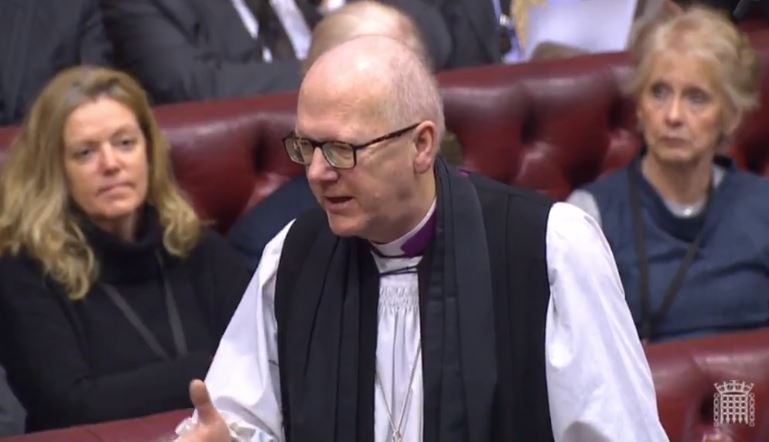
The Bishop of Sheffield spoke in a debate commemorating the 40th anniversary of the 1984 famine in Ethiopia, stressing the need to act to prevent famines and similar crises before they occur:
The Lord Bishop of Sheffield: My Lords, I too am grateful to the noble Baroness, Lady Featherstone, for securing this important debate and for the opportunity to contribute to it.

I remember 1984 very vividly. That summer, I graduated from university and got married, and early that autumn, I began training for ordained ministry. I have clear memories of the powerful BBC news coverage of the Ethiopian famine—which, as the noble Baroness reminded us, was broadcast exactly 40 years ago this month—and of the Band Aid Christmas single that year and the Live Aid concerts of 1985. Those events were all quite formative for me.

In retrospect, our crowd-sourced responses to the famine in 1984 were naive, not least in treating the famine as simply a natural disaster and in failing to take into account the human factors that contributed to it, including both the global climate emergency, or global warming as we were just beginning to call it then, and the more local political and military practices. Although we may have learned a good deal in the past 40 years, and although we may be significantly more sophisticated now in our analysis of the causes of famine in that part of the world, it is evident that we are barely more effective at responding to it, let alone at preventing it. Both those aims are urgent: we need to respond effectively to the current crisis, and we need to improve our capacity to anticipate and therefore to forestall future famines.

Continue reading “Bishop of Sheffield speaks in debate on 40th anniversary of famine in Ethiopia”
Bishop of Leeds asks about ramifications of ongoing conflict in Sudan

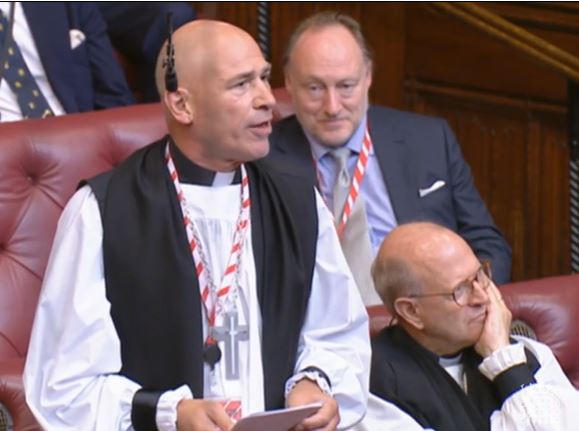
The Bishop of Leeds asked a question on international efforts to support civilians and avert a famine in Sudan on 16th May 2024, during a discussion on the ongoing conflict in the country:

The Lord Bishop of Leeds: My Lords, I note that I will be in Port Sudan in a couple of weeks’ time. Yesterday, I was at a round table on Sudan with NGOs and expatriates. The Raoul Wallenberg Centre made it clear in its research that there is genocidal intent behind much of what is going on in Darfur. The plea there was: how do we get international protection? We cannot say that we do not know this is coming. There is the perfect storm of famine as well as the massive artillery bombardment around El Fasher going on at the moment.

Continue reading “Bishop of Leeds asks about ramifications of ongoing conflict in Sudan”

Bishop of St Albans asks about the risk of famine in Ethiopia

The Bishop of St Albans received the following written answer on 13th February 2024:

The Lord Bishop of St Albans asked His Majesty’s Government what assessment they have made of (1) the joint report by the UN World Food Programme and Famine Early Warning Systems Network Ethiopia – Food Security Outlook 2023-24: Food assistance needs remain high amid slow recovery of livelihoods in 2024, published in October 2023, which found that “Crisis (IPC Phase 3) and Emergency (IPC Phase 4) outcomes are expected in northern, southern, and southeastern Ethiopia through at least early 2024”, and (2) the risk of famine in Tigray.

Continue reading “Bishop of St Albans asks about the risk of famine in Ethiopia”

Bishop of St Albans asks about prevention of famine in Somalia

The Bishop of St Albans received the following written answer on 5th June 2023:

The Lord Bishop of St Albans asked His Majesty’s Government what discussions they have had with the government of Somalia about the prevention of famine in that country; and what future engagements they have scheduled.

Lord Goldsmith of Richmond Park (Con): In 2022 the collective efforts of humanitarian partners and donors, including the UK, averted famine in Somalia. Despite the reduced famine risk, humanitarian needs remain extraordinary.

Continue reading “Bishop of St Albans asks about prevention of famine in Somalia”

Bishop of St Albans asks about migration trends in the Horn of Africa

The Bishop of St Albans received the following written answer on 17th April 2023:

The Lord Bishop of St Albans asked His Majesty’s Government what assessment they have made of the recent trends in population migration in the Horn of Africa, given the famine in that region.

Lord Goldsmith of Richmond Park (Con): Across East Africa levels of displacement are increasing due to the humanitarian impacts of conflict and climate change. For example, the International Organisation for Migration estimate that, in 2022, 2.8 million people were displaced by drought across Djibouti, Ethiopia, Kenya and Somalia. Armed violence continues to cause significant displacement including of 2.2 million refugees from South Sudan who are currently hosted in the region.

Hansard

Bishop of St Albans asks about alleviating effects of famine in Kenya

The Bishop of St Albans received the following written answer on 28th March 2023:

The Lord Bishop of St Albans asked His Majesty’s Government what support they are providing to Kenya to alleviate the effects of famine caused by drought in that country.

Lord Goldsmith of Richmond Park (Con): In response to the ongoing drought in Kenya, 30,500 children have received life-saving nutritional assistance due to the UK’s support. UK supported programmes have also reached over half a million people in Kenya in drought-prone areas. Programmes such as the Hunger Safety Net Programme (HSNP) are bolstering the use of cash-based safety nets and have had a demonstrable impact in mitigating some of the worst effects of the drought.

Hansard

Bishop of St Albans leads debate on famine in the Horn of Africa

The Bishop of St Albans tabled a question for short debate on famine in the Horn of Africa on 7th February 2023:

The Lord Bishop of St Albans: To ask His Majesty’s Government what steps they are taking to alleviate the consequences of the famine in the Horn of Africa.

My Lords, it is perhaps fitting that this debate takes place on the day of the memorial service for the late Lord Chidgey, who was so passionate about all things to do with Africa and would have shared many of the concerns that I suspect are going to be talked about in our one hour together.

It is with sadness that I stand here today to address this problem, although I hope that our debate may in some small way raise awareness of what is an extraordinary tragedy unfolding before us. As many noble Lords know, this region is currently experiencing one of the longest and most severe droughts on record. This, coupled with conflict and displacement, has led to an unprecedented food and nutrition emergency affecting almost 40 million people. The UN has already said that

“Famine is at the door”

in some parts of Somalia.

We are already seeing the effects of this crisis. UNICEF estimates that up to 5.7 million children in the region require treatment for acute malnutrition, with 1.8 million already experiencing it. This famine, initially caused by climate change, has been compounded by a series of other factors, making it far worse than what we have seen before. An outbreak of locusts, described by the UN as the worst in 25 years, has ravished crops across the region. The ongoing civil wars in Ethiopia and Somalia have displaced millions and made provision of food aid even more difficult.

Continue reading “Bishop of St Albans leads debate on famine in the Horn of Africa”

Bishop of St Albans asks about famine in the Horn of Africa

The Bishop of St Albans asked a question about the government’s assessment of the famine in the Horn of Africa on 13th October 2022:

The Lord Bishop of St Albans: To ask His Majesty’s Government what assessment they have made of the famine in the Horn of Africa.

Lord Goldsmith of Richmond Park (Con): My Lords, the crisis in east Africa continues to worsen. Drought is causing significant levels of food insecurity. Over 51 million people in the region are estimated to be facing severe food insecurity, and of particular concern is the recent data from the Bay region in Somalia projecting that famine is likely to occur this year. The UK is a major humanitarian donor to the east Africa region and UK-funded activities are making a difference and saving lives. In the financial year 2022-23, the UK intends to provide approximately £156 million in humanitarian aid across east Africa. Of this amount, nearly 50% has already been allocated to help those affected by this devastating crisis.

Continue reading “Bishop of St Albans asks about famine in the Horn of Africa”

Bishop of St Albans asks about food security in Afghanistan

The Bishop of St Albans received the following written answer on 7th July 2022:

The Lord Bishop of St Albans asked Her Majesty’s Government what assessment they have made of the food security crisis in Afghanistan and the prospect of famine.

Continue reading “Bishop of St Albans asks about food security in Afghanistan”

Bishop of St Albans asks about Humanitarian Aid in East Africa

The Bishop of St Albans received the following written answers on 6th June 2022:

The Lord Bishop of St Albans asked Her Majesty’s Government what steps they are taking to provide humanitarian aid to East Africa following reports of impending famine conditions in the region.

Continue reading “Bishop of St Albans asks about Humanitarian Aid in East Africa”