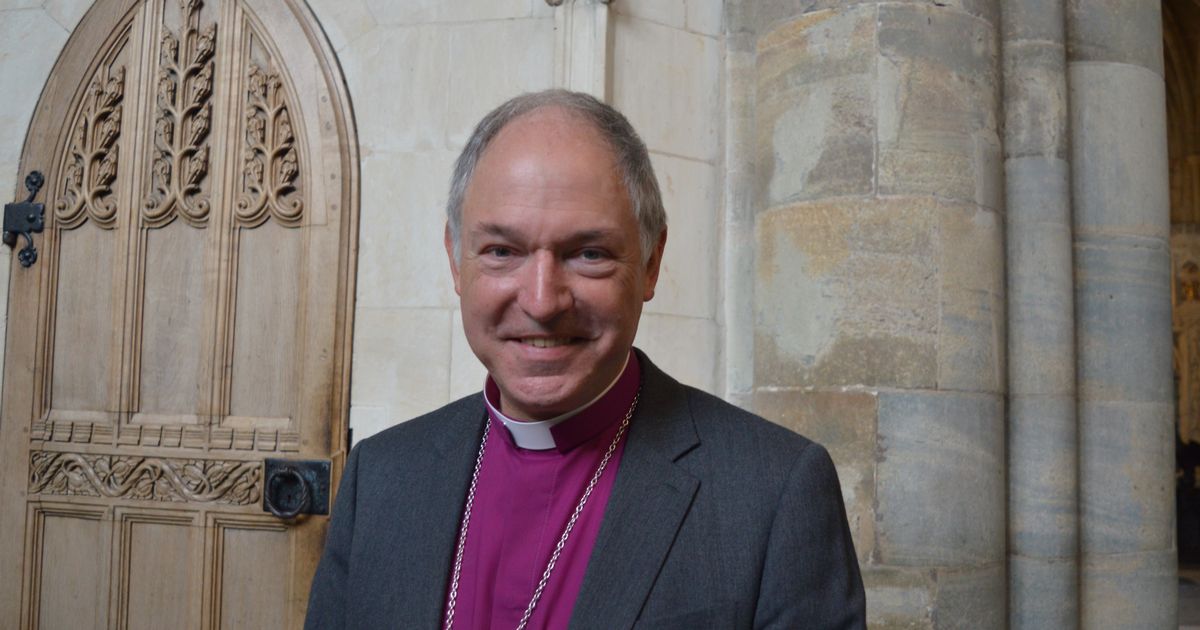
Bishop of Exeter asks about control of avian influenza virus

The Bishop of Exeter received the following written answer on 13th March 2023:

The Lord Bishop of Exeter asked His Majesty’s Government what steps they are taking to prevent the spread of the H5N1 virus.

Lord Benyon (Con): Defra’s approach to avian influenza disease control considers the latest scientific and ornithological evidence and veterinary advice and is set out in the Notifiable Avian Disease Control Strategy for Great Britain(opens in a new tab), supported by the Mitigation Strategy for Avian Influenza in Wild Birds in England and Wales(opens in a new tab). Current policy reflects our experience of responding to past outbreaks of exotic animal disease and is in line with international standards of best practice for disease control. In summary swift and humane culling of poultry and other captive birds on infected premises, coupled with rigorous biosecurity, are used to prevent the amplification of avian influenza and minimise the risk of disease spread from infected premises

Continue reading “Bishop of Exeter asks about control of avian influenza virus”

Bishop of Exeter asks about preventing antimicrobial resistance

The Bishop of Exeter received the following written answers on 28th February 2023:

The Lord Bishop of Exeter asked His Majesty’s Government what assessment they have made of the ‘One Health’ approach outlined in the report by the United Nations Environment Programme’s Bracing for Superbugs: Strengthening environmental action in the One Health response to antimicrobial resistance, published on 7 February.

Lord Benyon (Con): The Government is aware of the report and Environment Agency staff contributed to initial United Nations workshops that led to its commission. Now that the report has been published, we will assess the content and conclusions. Defra, the Environment Agency and UKHSA are currently working together to investigate antimicrobial resistance in the environment under the Treasury-funded Pathogen Surveillance in Agriculture, Food and Environment (PATHSAFE) project. The Environment Agency is developing possible surveillance methods and data systems that could be used in the future to help us better understand and mitigate environmental antimicrobial resistance.

Continue reading “Bishop of Exeter asks about preventing antimicrobial resistance”

Bishop of St Albans asks about African Swine Fever

The Bishop of St Albans received the following written answers on 8th February 2023:

The Lord Bishop of St Albans asked His Majesty’s Government what discussions they have had with (1) the EU, and (2) other pork export markets, regarding regionalisation in the event of an African swine fever outbreak in the UK.

Continue reading “Bishop of St Albans asks about African Swine Fever”

Bishop of St Albans asks about review of the UK pig sector

The Bishop of St Albans received the following written answer on 7th February 2023:

The Lord Bishop of St Albans asked His Majesty’s Government what assessment they have made of their review into contractual practice in the UK pig sector.

Lord Benyon (Con): A public consultation was conducted between July and October 2022 which invited views from the pig industry about potential improvements to fairness and transparency. The consultation received a very positive level of engagement with responses from individuals and organisations across the supply chain.

The Government will publish a Summary of Responses, outlining main findings and next steps, in the coming months. Any actions arising as a result of the consultation will be developed alongside industry with the close involvement of stakeholders.

Hansard

Bishop of St Albans asks about impact of free-trade agreements with Australia and New Zealand on UK farming

The Bishop of St Albans received the following written answer on 25th January 2023:

The Lord Bishop of St Albans asked His Majesty’s Government what plans they have to mitigate any damage caused to the UK farming sector by the free trade agreements with Australia and New Zealand.

Lord Johnston of Lainston (Con): Farming is a crucial part of the UK economy, and this Government wants to ensure rural economies can thrive. Our free trade agreements with Australia and New Zealand balance opportunities for UK exporters, importers and consumers with protections for the agricultural industry.

Continue reading “Bishop of St Albans asks about impact of free-trade agreements with Australia and New Zealand on UK farming”

Bishop of St Albans asks about support for British pig-farming

The Bishop of St Albans received the following written answer on 24th January 2023:

The Lord Bishop of St Albans asked His Majesty’s Government what assessment they have made of the decline in the UK’s breeding pig population; and what steps they are taking to support British pig farmers.

Lord Benyon (Con): There has been a 15% decrease in the pig breeding herd in 2022, but this should be seen alongside a 10% increase in 2021. The number of fattening pigs has remained fairly constant over the past decade due to productivity improvements in the sector so this has masked the steadily falling number of breeding pigs. A number of factors, including high feed and energy costs, have led some producers to not put breeding pigs back into production. This is a commercial decision for producers.

Continue reading “Bishop of St Albans asks about support for British pig-farming”

Bishop of Exeter asks about bio-pesticides

The Bishop of Exeter received the following written answers on 19th January 2023:

The Lord Bishop of Exeter asked His Majesty’s Government what assessment they have made of the development of bio-pesticides in England.

Lord Benyon (Con): The Government is committed to supporting farmers and growers to control pests sustainably. This will require innovation, including the development of biopesticides, which often have a lower risk profile than conventional chemical pesticides

Continue reading “Bishop of Exeter asks about bio-pesticides”

Bishop of Exeter asks about production of alternative milk products

The Bishop of Exeter received the following written answer on 19th January 2023:

The Lord Bishop of Exeter asked His Majesty’s Government what support they are providing to British farmers for the development of alternatives to dairy milk products, such as oat milk.

Lord Benyon (Con): We will always support British farming. We are introducing schemes and policies that enable farmers to have resilient businesses, produce the food our nation needs, enhance animal health and welfare and also to protect and enhance the natural environment.

Continue reading “Bishop of Exeter asks about production of alternative milk products”

Bishop of St Albans asks about marketing of free-range eggs

The Bishop of St Albans received the following written answer on 7th December 2022:

The Lord Bishop of St Albans asked His Majesty’s Government what assessment they have made of the 16-week grace period during which eggs from birds that were intended to be free-range may be marketed as such despite the introduction of mandatory housing measures on 7 November.

Lord Benyon (Con): Egg Marketing Standards provides a 16-week derogation period during which the free-range description can be retained on eggs even if hens have been housed.

Continue reading “Bishop of St Albans asks about marketing of free-range eggs”

Bishop of St Edmundsbury and Ipswich asks about water supply to farms

The Bishop of St Edmundsbury and Ipswich received the following written answers on 9th November 2022:

The Lord Bishop of St Edmundsbury and Ipswich asked His Majesty’s Government what help they are giving to ensure that farmers can access the water they need this winter to give them confidence to plant next year’s crops.

Continue reading “Bishop of St Edmundsbury and Ipswich asks about water supply to farms”