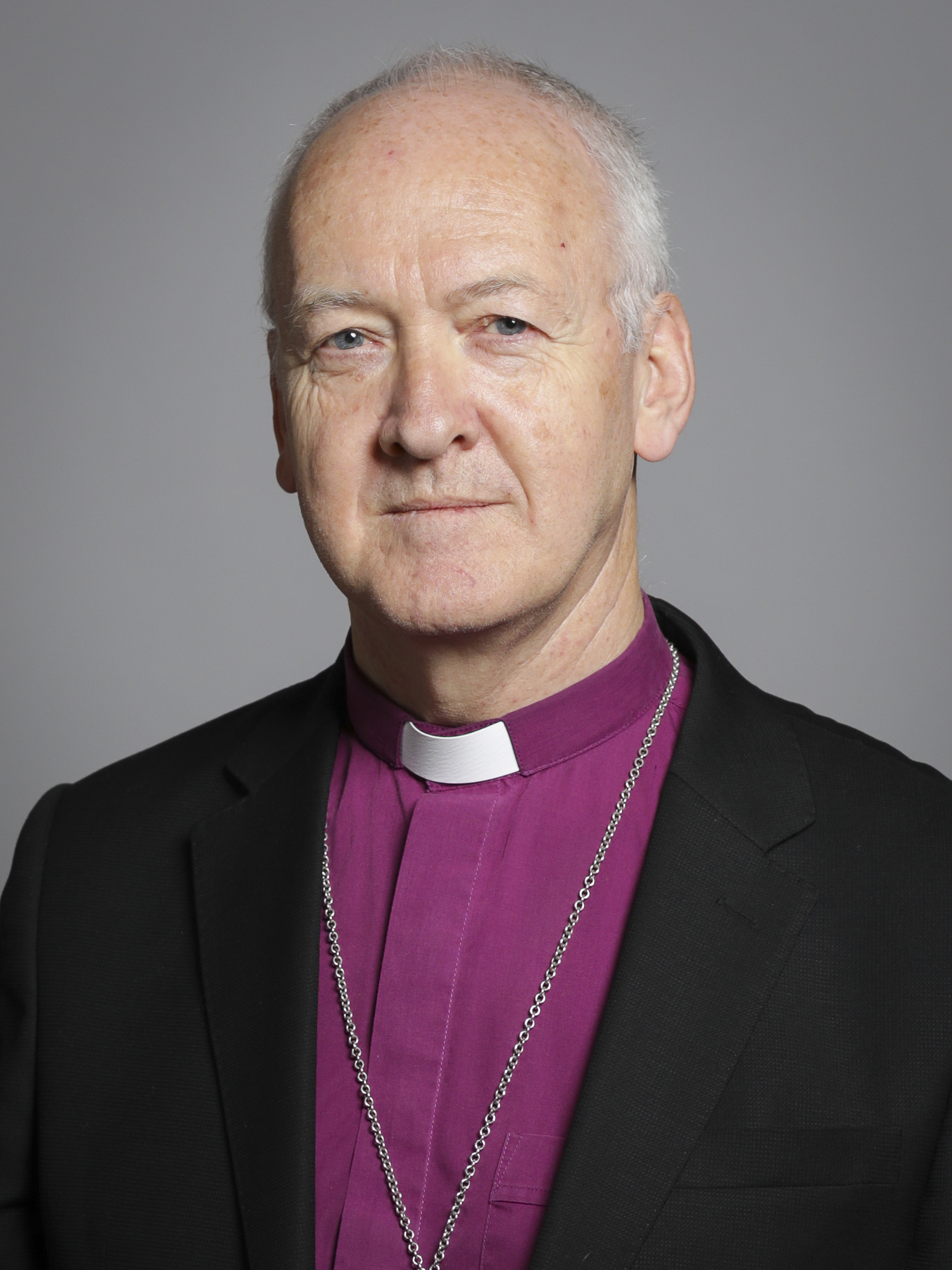
Bishop of Manchester asks about sustainable farming and food security

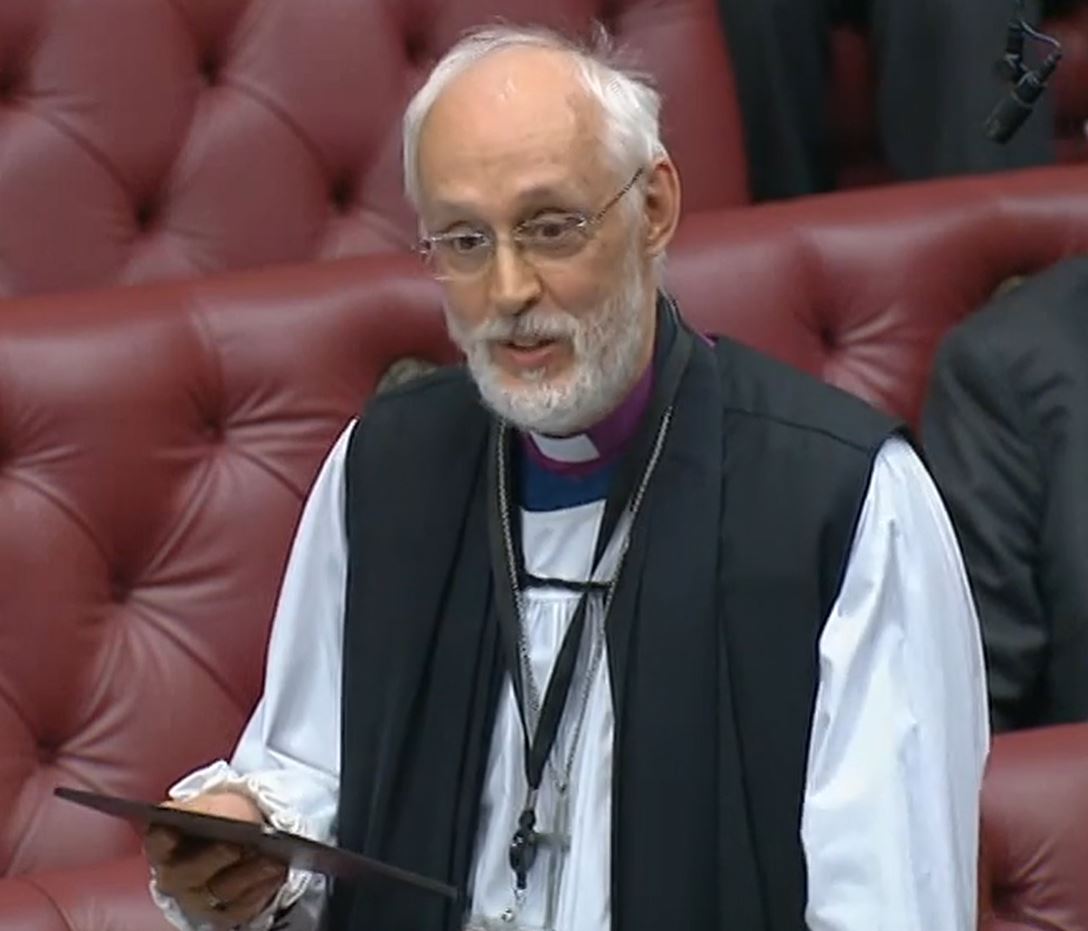
The Bishop of Manchester asked a question on the effects of the government’s sustainable farming initiative on food security on 18th March 2025:

The Lord Bishop of Manchester: My Lords, I do not know whether I have an interest to declare. I am not a farmer but the Church Commissioners, who pay my stipend and working costs, are one of the largest landowners of tenanted farms in the UK, so I declare that.

Continue reading “Bishop of Manchester asks about sustainable farming and food security”

Bishop of St Albans asks about food security

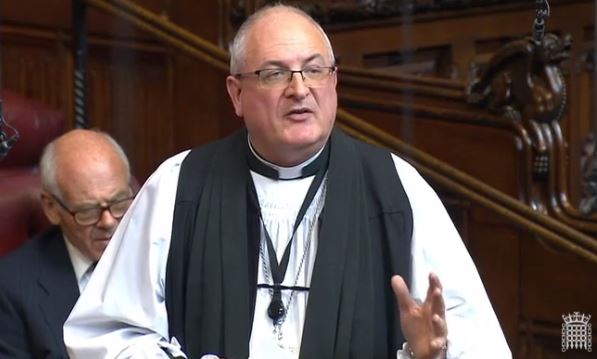
The Bishop of St Albans received the following written answer on 24th February 2025:

The Lord Bishop of St Albans asked His Majesty’s Government:

  • what consideration they have given to introducing a “Food Security and Resilience Act”, as recommended in the National Preparedness Commission executive summary report Just in case: 7 steps to narrow the UK civil food resilience gap, published in January.
  • whether they will take steps to treat food security as a core component of national infrastructure planning, as recommended in the National Preparedness Commission executive summary report Just in Case: 7 steps to narrow the UK civil food resilience gap, published in January.
  • what consideration they have given to establishing an advisory body to provide advice on food security, as recommended in the National Preparedness Commission executive summary report Just in Case: 7 steps to narrow the UK civil food resilience gap, published in January.
Continue reading “Bishop of St Albans asks about food security”

Bishop of Lincoln raises risks to family farms and food security under new budget rules

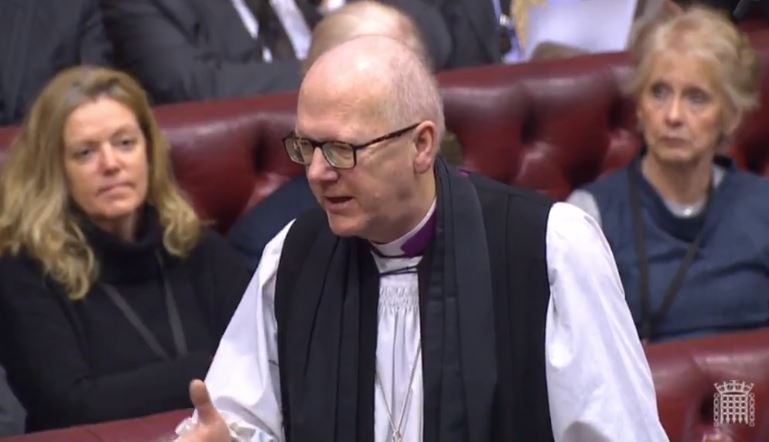
On 27th January 2025, the Bishop of Lincoln spoke in a debate on the impact of removing agricultural property relief tax, increases to national insurance, and extension of VAT to private schools on the regions and nations of the UK, raising risks to family farms and food security:

The Lord Bishop of Lincoln: My Lords, it is entirely legitimate for the Government to target rich business owners and billionaires who have bought farmland for the sole purpose of avoiding inheritance tax, However, Jeremy Moody of the Central Association of Agricultural Valuers said recently that the reform of APR

“hits the people it is supposed to protect, and protects those it is supposed to hit.

Continue reading “Bishop of Lincoln raises risks to family farms and food security under new budget rules”

Bishop of St Albans leads debate on support for farmers to adapt to climate change

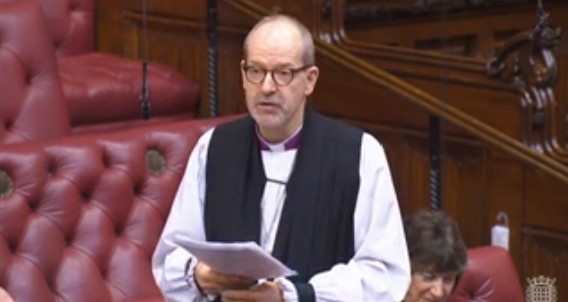
The Bishop of St Albans led a debate on support for farmers to adapt to climate change amid anticipated food shortages on 23rd January 2025:

The Lord Bishop of St Albans: To ask His Majesty’s Government, following reports that the United Kingdom faces shortages of broccoli and cauliflower this spring, what steps they are taking to support farmers and growers to adapt to climate change.

My Lords, I declare my interest as president of the Rural Coalition. I thank those Members of your Lordships’ House who have signed up to engage today on what I believe is an important and topical issue. Our debate is about the shortage of great British broccoli and cauliflowers—and, of course, many other vegetables as well—which have been part of our staple diet for years, and the difficulties caused, at least in part, by climate degradation. It is fitting that we have this debate just prior to the start of agri-science week in this Parliament.

Farming is an extremely tough profession at the best of times, and the range of setbacks and difficulties our farmers face is huge. I have to say I am deeply troubled by the low morale and depression that I hear at the moment from farms across my diocese, in all corners of the agricultural world. I want to take a moment here to pay tribute to all farmers and those involved in associated industries for their hard work, their dedication, their resilience and the critical services they provide to us all as they produce food. We must not take them for granted.

Continue reading “Bishop of St Albans leads debate on support for farmers to adapt to climate change”

Bishop of St Albans asks about threats posed by flooding

On 7th January 2025, the Bishop of St Albans asked a question on threats to food production from extreme weather events such as flooding:

The Lord Bishop of St Albans: My Lords, the UK Food Security Report, published on 11 December, identified extreme weather events as major threat to good food production, and therefore a risk to our own national security. The Minister has just been talking about cross-departmental work. Can she assure the House that, as the Government develop the national food security strategy, they will liaise with the food resilience task force? This all needs joined-up thinking if we are going to guarantee our security.

Continue reading “Bishop of St Albans asks about threats posed by flooding”

Bishop of Hereford asks about food security

On 2nd December 2024, the Bishop of Hereford tabled a question on government steps to improve food security:

The Lord Bishop of Hereford: To ask His Majesty’s Government what steps they are taking to improve food security.

Baroness Hayman of Ullock (Lab, DEFRA): My Lords, the Labour Government have committed £5 billion to the agricultural budget over the next two years, which is the biggest budget for sustainable food production and nature’s recovery in our history. The uplift to £1.8 billion, in 2025-26, for environmental land management schemes will boost food security and accelerate the transition to a more resilient and sustainable farming sector. We are also investing £60 million to support farmers who were affected by the unprecedented extreme wet weather last winter.

Continue reading “Bishop of Hereford asks about food security”

Bishop of St Albans asks about World Food Programme in Somalia

The Bishop of St Albans received the following written answer on 18th November 2024:

The Lord Bishop of St Albans asked His Majesty’s Government what assessment they have made of any shortfalls in the funding of the World Food Programme in Somalia, and of any impact of such shortfalls on the Programme’s ability to provide assistance to those who need it in that country.

Continue reading “Bishop of St Albans asks about World Food Programme in Somalia”

Bishop of Manchester asks about issue of holiday hunger for children

The Bishop of Manchester asked a question on the governments plans to tackle holiday hunger for children on 24th July 2024, raising the example of church projects offering support to children and families in school holidays:

The Lord Bishop of Manchester: Something like seven out of every eight local authorities now use this money to alleviate holiday hunger among our children. Can we have any hope that the Government will look at a more strategic way of helping children cope with hunger during the school holidays? Many of the churches in my diocese, and those of my right reverend friends here, are having to put on voluntary projects to support children during those periods. What can we hope for?

Continue reading “Bishop of Manchester asks about issue of holiday hunger for children”

Bishop of St Albans asks about provision of food aid to Malawi

The Bishop of St Albans received the following written answer on 24th May 2024:

The Lord Bishop of St Albans asked His Majesty’s Government what is their response to the state of disaster declared due to the drought and resultant food shortages in Malawi, and whether they plan to provide additional aid to Malawi.

Continue reading “Bishop of St Albans asks about provision of food aid to Malawi”

Bishop of Leeds asks about funding to address food insecurity in Sudan and neighbouring countries

The Bishop of Leeds received the following written answer on 21st May 2024:

The Lord Bishop of Leeds asked His Majesty’s Government whether they will increase multi-year funding to support the most food-insecure people in Sudan and Sudanese refugees in neighbouring countries.

Continue reading “Bishop of Leeds asks about funding to address food insecurity in Sudan and neighbouring countries”