Bishop of St Albans leads debate on UK foreign policy and the UK’s changing global role

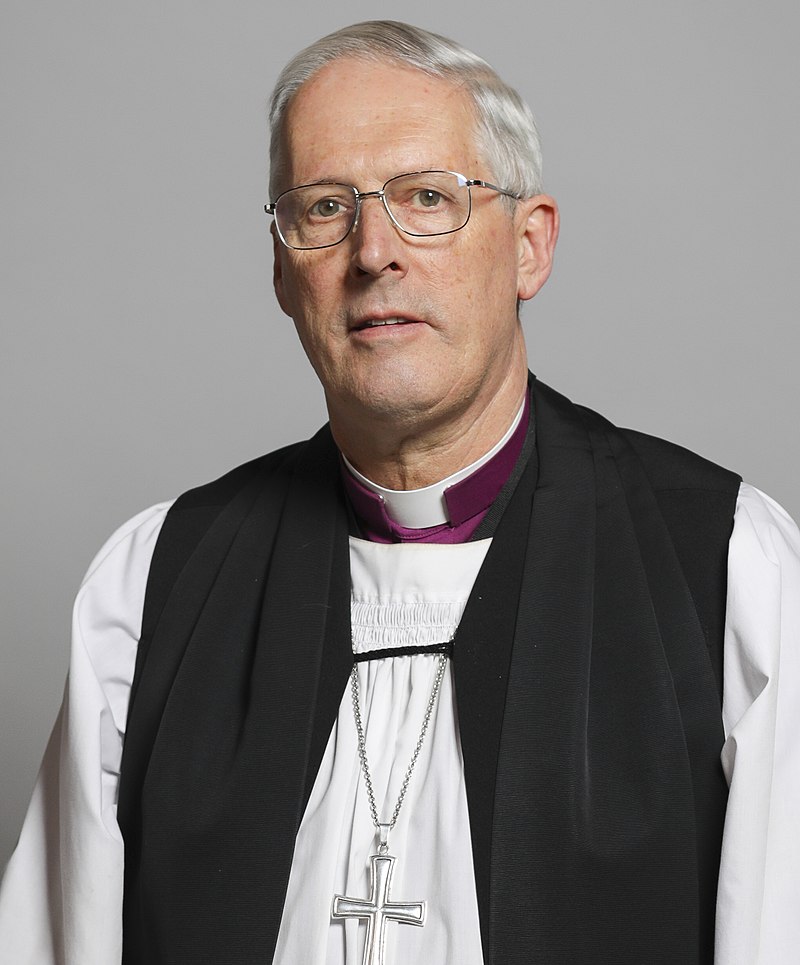
On 3rd May 2023, the Bishop of St Albans tabled a motion to take note on the United Kingdom’s changing role in the world and its implications for foreign policy:

Motion to take note:

The Lord Bishop of St Albans: That the Grand Committee takes note of the United Kingdom’s changing role in the world and its implications for foreign policy.
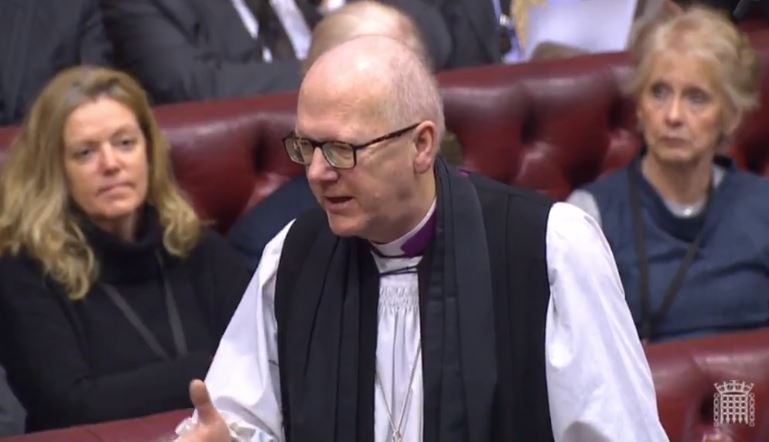
My Lords, the people of these islands have made an extraordinary contribution to the world, much of which we can be immensely proud of. However, with the contraction of the British Empire, two world wars, the emergence of the Commonwealth and our renegotiated relations with mainland Europe post Brexit, we have to continue to adapt to the changing world around us, not least as we negotiate new trade deals—a theme which I know a number of speakers will pick up on during today’s debate.

Long gone are the days when we could boast that Britannia ruled the waves or when the UK was famous for being the home of the Industrial Revolution and known as the workshop of the world, but as some things have declined, others have emerged. Today, we are renowned as a major financial centre, a provider of some of the best tertiary education in the world, the home of some of the most exciting and innovative developments in science, medicine and technology, not least in the fields of computing and artificial intelligence, and a country which has been at the forefront of international development and human rights. All this is happening in a world with massive population growth, where international trade and travel have grown hugely, where environmental concerns and climate change are rising—rightly—up the agenda, and where the ever-present threat of war, not least nuclear war, continues.

Continue reading “Bishop of St Albans leads debate on UK foreign policy and the UK’s changing global role”
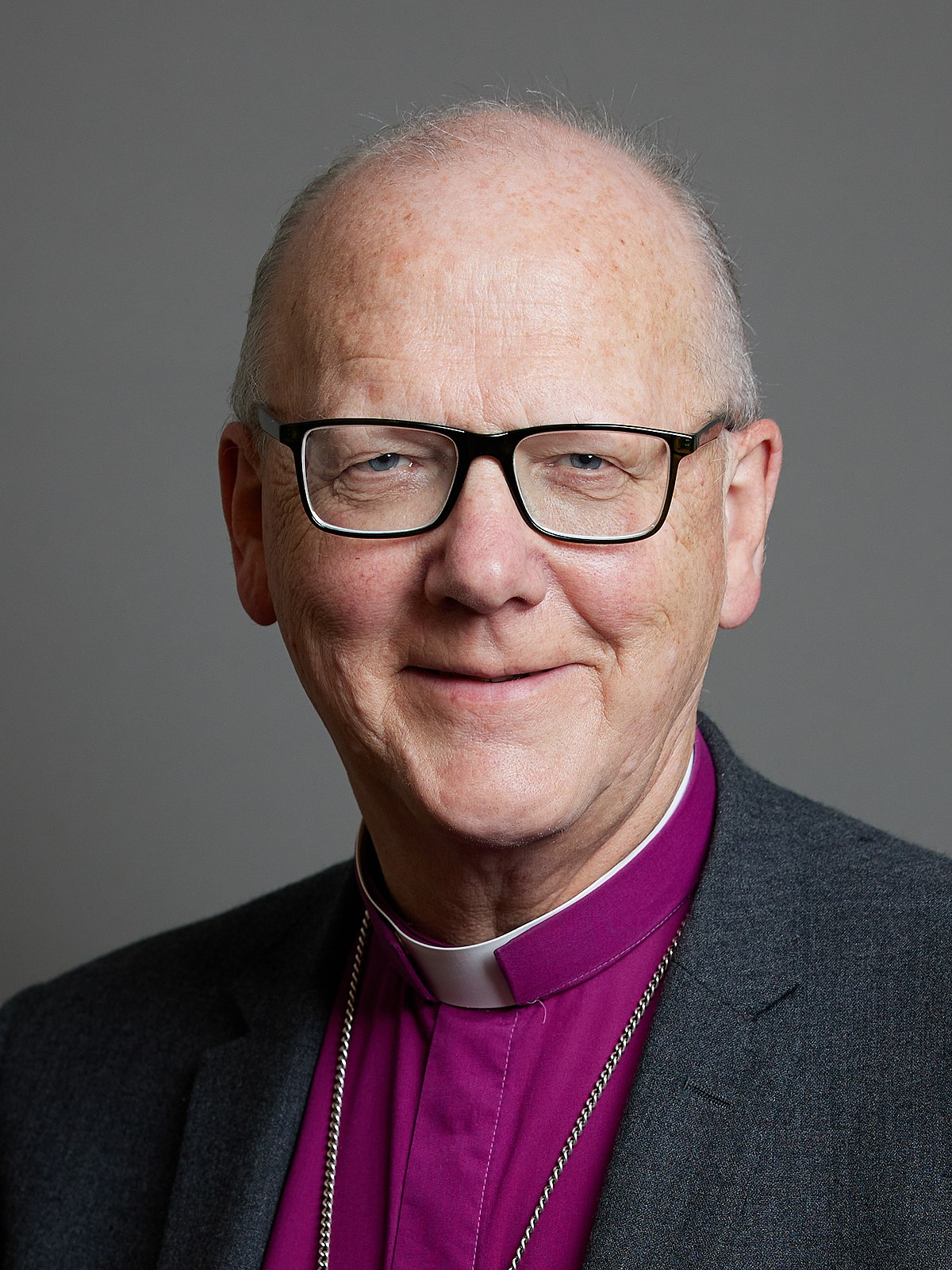
Bishop of Durham asks about conflict in Sudan

The Bishop of Durham asked a question on support for churches in Sudan and their parishioners on 26th April 2023, following outbreaks of violence in the country:

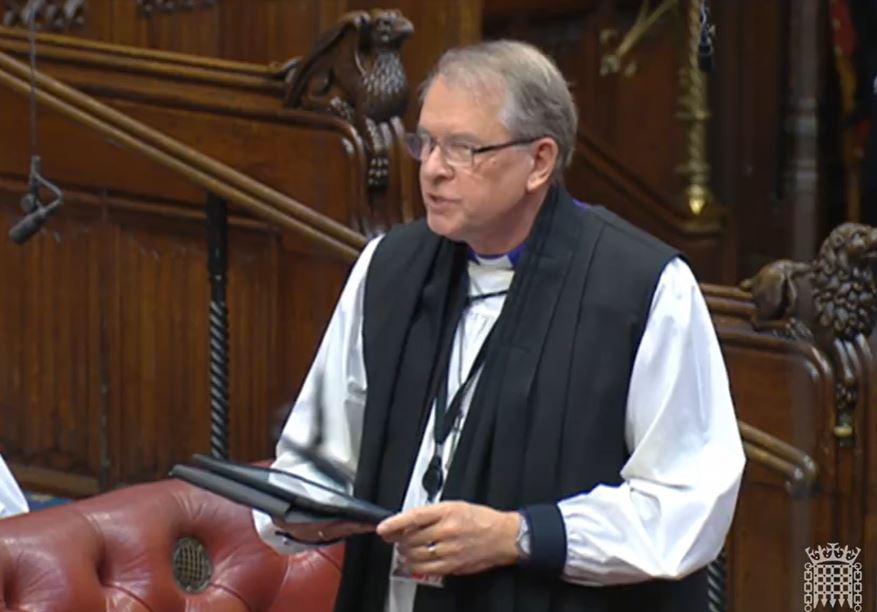
The Lord Bishop of Durham: My Lords, the Minister may be aware that two dioceses in this country, Salisbury and Leeds, have strong links with Sudan and South Sudan. The right reverend Prelate the Bishop of Leeds has regular contact, particularly with the Primate in Sudan. The people in those two dioceses absolutely understand the total focus on bringing British citizens out but they are also concerned for the Sudanese on the ground, particularly those in the churches; the Church there is quite fragile and relies quite a lot on the support that comes from western diplomats, and so forth. They are asking what they can do to support their Sudanese friends in churches and in other communities who are not going to be rescued. There may not be an immediate answer, but perhaps the Minister would consider what advice might be given to people who want to support the Sudanese in the coming weeks and months.

Continue reading “Bishop of Durham asks about conflict in Sudan”

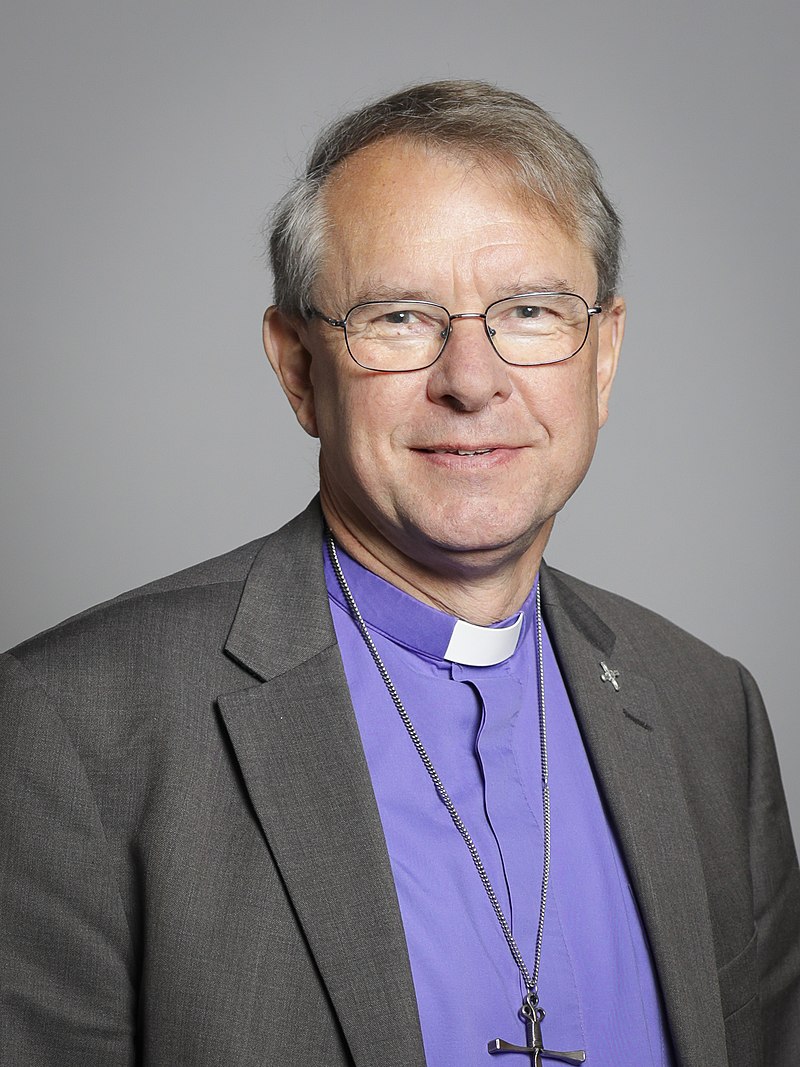
Bishop of Leeds asks about diplomatic efforts in Sudan

On 19th April 2023, The Bishop of Leeds asked a question on the possibility of utilising connections in the religious community to aid in diplomatic channels in Sudan, following outbreaks of violence in Sudan and the city of Khartoum:

The Lord Bishop of Leeds: My Lords, the question of threats is one that I am slightly bemused about. I want to pay tribute to the work of UK diplomats in Sudan. I have been going there since 2011; my diocese has a link with the whole of Sudan going back over 40 years and I am in daily contact with the Archbishop of Sudan. In his cathedral the other day, he managed to get all the families—42 of them including children—secured in an internal building. They then had to watch their homes and elements of the cathedral being shot up, all their vehicles destroyed, offices ransacked and so on.

Continue reading “Bishop of Leeds asks about diplomatic efforts in Sudan”

Bishop of St Albans asks about conflict in Mozambique

The Bishop of St Albans received the following written answer on 17th April 2023:

The Lord Bishop of St Albans asked His Majesty’s Government what assessment they have made of the (1) famine, and (2) security situation, in Cabo Delgado, Mozambique.

Continue reading “Bishop of St Albans asks about conflict in Mozambique”

Bishop of St Albans asks about British citizen imprisoned in China

The Bishop of St Albans received the following written answer on 17th March 2023:

The Lord Bishop of St Albans asked His Majesty’s Government what representations they have made to (1) the government of China, and (2) the government of the Hong Kong Special Administrative Region, about British citizen Jimmy Lai.

Continue reading “Bishop of St Albans asks about British citizen imprisoned in China”

Bishop of Southwark asks about relations with Israel

The Bishop of Southwark received the following written answers on 17th March 2023:

The Lord Bishop of Southwark asked His Majesty’s Government what response they have received from the government of Israel regarding the joint call that they and diplomatic representatives from 16 other countries made on the 13 March to reverse the eviction of six Palestinian families from Silwan, Sheikh Jarrah, and the Old City of Jerusalem.

Continue reading “Bishop of Southwark asks about relations with Israel”

Bishop of Durham asks about current conditions in Burundi

The Bishop of Durham received the following written answers on 17th April 2023:

The Lord Bishop of Durham asked His Majesty’s Government what steps they are taking to support (1) freedom of speech, and (2) freedom of the press, in Burundi.

Continue reading “Bishop of Durham asks about current conditions in Burundi”

Bishop of St Albans asks about recent executions in Saudi Arabia

The Bishop of St Albans asked about the government response to human rights issues in Saudi Arabia on 16th March 2023, following a Commons Urgent Question on the execution of Hussein Abo al-Kheir and other recent executions in the country:

The Lord Bishop of St Albans: My Lords, the whole House acknowledges the contribution the Minister makes in this important area, but there are real concerns as to whether His Majesty’s Government are as intent on addressing these issues. Saudi is part of the Arab Charter on Human Rights 2004, but the problem is enforcement. Even the statute brought in 2014 does not enable enforcement. What representations are His Majesty’s Government making to the wider Arab world to work with colleagues to nudge Saudi in a new direction and stop this extraordinary range of executions, which do not seem to be abating at all?

Continue reading “Bishop of St Albans asks about recent executions in Saudi Arabia”

Bishop of Southwark asks about recent statements regarding the Palestinian village of Hawara by Israeli finance minister

The Bishop of Southwark received the following written answer on 16th March 2023:

The Lord Bishop of Southwark asked His Majesty’s Government what representations they have made to the government of Israel regarding the statement by Israel’s Minister of Finance, Mr Bezalel Smotrich, on 1 March, that the Palestinian village of Hawara “should be wiped out”.

Continue reading “Bishop of Southwark asks about recent statements regarding the Palestinian village of Hawara by Israeli finance minister”

Church Commissioners Written Questions: Church Repairs & Maintenance, Rural Areas, and Vandalism of Cemeteries in Jerusalem

Andrew Selous MP, representing the Church Commissioners, gave the following written answerto questions from MPs on 10th March 2023:

Jerome Mayhew MP (Con): To ask the Member for South West Bedfordshire, representing the Church Commissioners, if he will make an assessment of the adequacy of local authority grant funding available to parish churches to upgrade their facilities.

Andrew Selous MP (Con): It is the view of the National Church Institutions that Local Authority and Parish Council grant funding is not being made available to parish churches on a consistent basis, due to a lack of clarity in interpretation of existing law, specifically the Local Government Acts 1894, 1972 and the Localism Act 2011.

Continue reading “Church Commissioners Written Questions: Church Repairs & Maintenance, Rural Areas, and Vandalism of Cemeteries in Jerusalem”