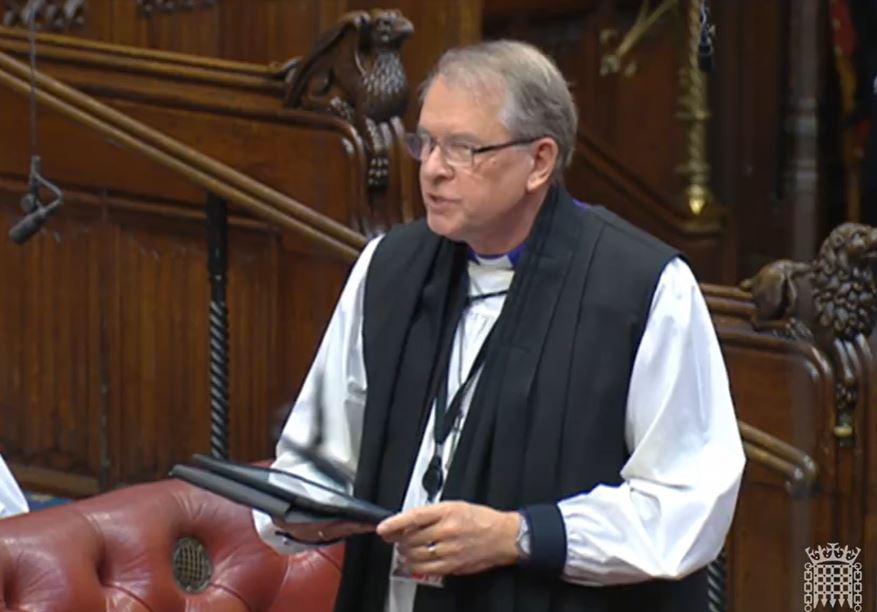
Nationality and Borders Bill: Bishop of Chelmsford supports right to work for asylum seekers

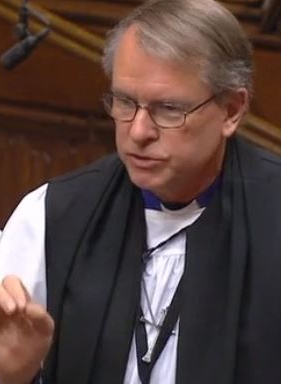
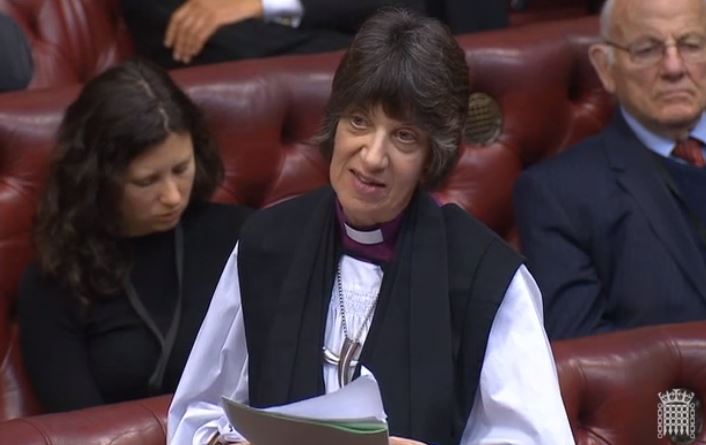
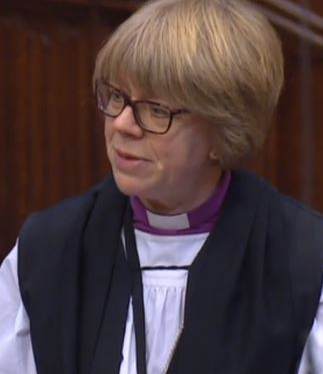
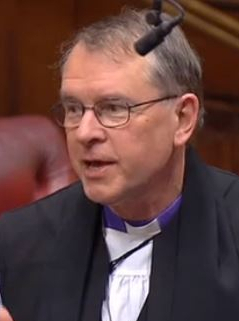
During a debate on the Nationality and Borders Bill in the first day of the report stage, on 28th February 2022, the Bishop of Chelmsford spoke in support of an amendment tabled by Baroness Stroud that would allow for the right to work for people seeking asylum who had been resident in the UK for six months:
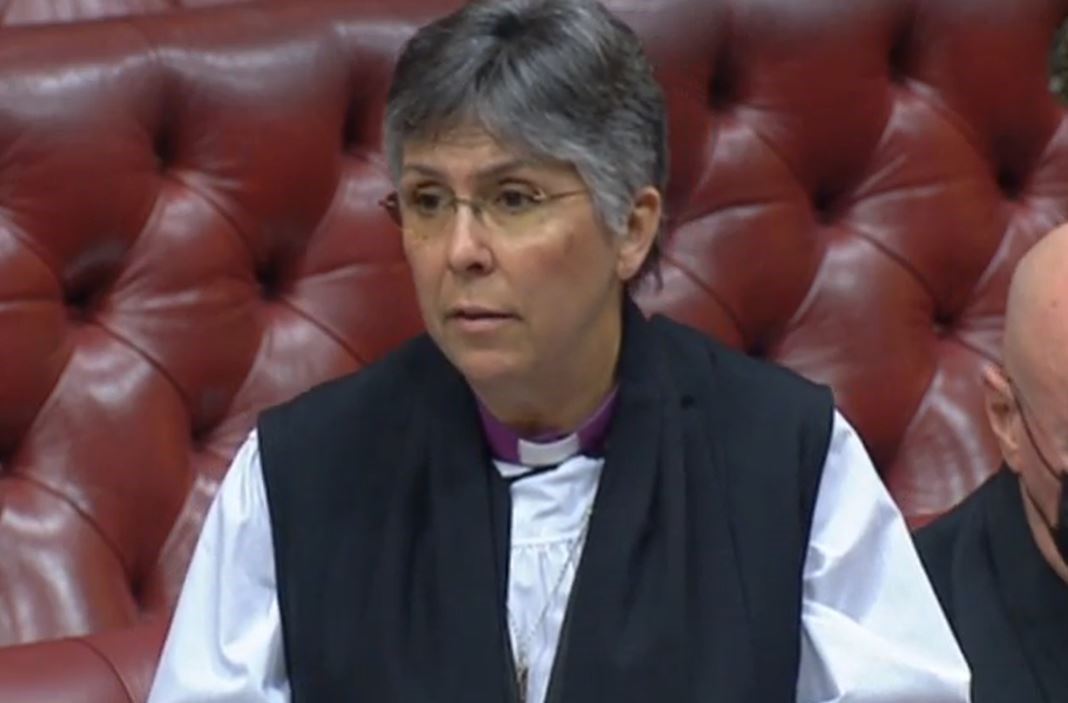
The Lord Bishop of Chelmsford: My Lords, I give my strong support to Amendment 30 in the name of the noble Baroness, Lady Stroud. She has eloquently made the case for this amendment, so I do not intend to take a great deal of the House’s time, but I wish to add a few brief remarks in support.

At Second Reading, I raised the question of how different our migration policy might be if we stopped looking at asylum seekers as either victims without agency or criminals seeking to exploit us and instead as future citizens and neighbours. In this light, the right to work for asylum seekers who have waited six months or more for a decision represents an excellent opportunity. It would be good for asylum seekers and for the soul of this nation. Such people are often left without agency or dignity. Their identity becomes limited to a sort of victim status. Being unable to work leaves them dependent on the state or at risk of falling in with illegal labour exportation.

Continue reading “Nationality and Borders Bill: Bishop of Chelmsford supports right to work for asylum seekers”
Nationality and Borders Bill: Bishop of Durham tables amendment to restrict use of accommodation centres for families and vulnerable groups of asylum seekers

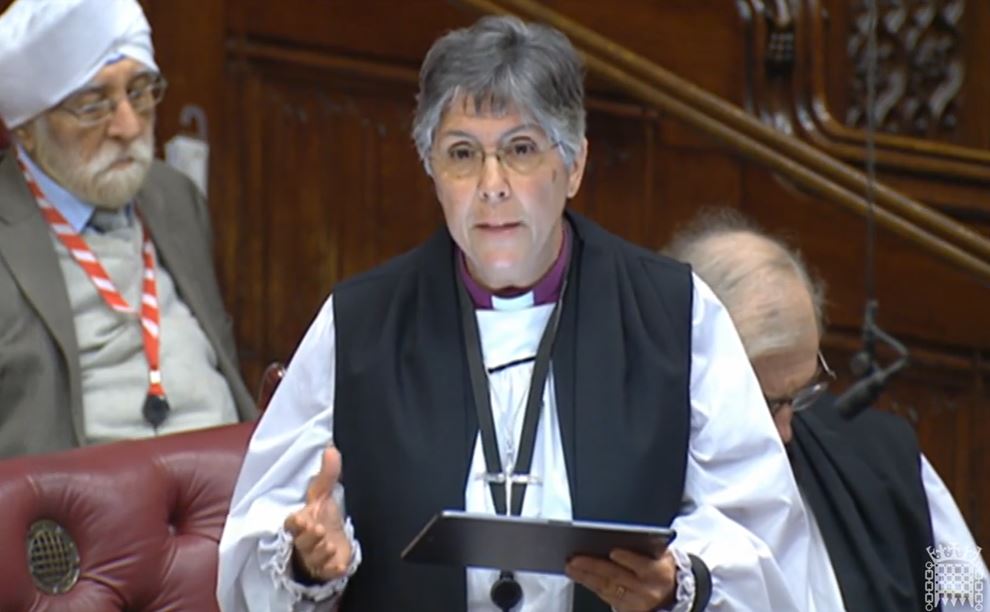
The Bishop of Durham tabled an amendment to the Nationality and Borders Bill on 28th February 2022, seeking to restrict the use of accommodation centres for asylum seekers falling under certain categories, such as families and vulnerable adults. The amendment was not moved to a vote, following a response from the government with more information on proposed accommodation:

The Lord Bishop of Durham: My Lords, I have tabled Amendment 29, with the noble Baroness, Lady Lister. I declare my interests in relation to RAMP and Reset, as set out in the register.

I have tabled this amendment again because in Committee we did not have as satisfactory a response to our questions as we had hoped on the basic details of what these accommodation centres will look like. We do not know how many or where these will be. We do not know how many people will be accommodated in each one. I am not assured that the previously terrible, and now still wanting, conditions provided at Napier will not be repeated. We are being asked to agree to the use of accommodation centres without any information or reassurances of what they will look like, where they will be, and so on. We can only go on what we see as existing provision on MoD sites. That makes me very concerned—I remind the House that I had the privilege of visiting Napier barracks recently—and gives me strong reason to call for their use to be restricted, so that the vulnerable groups set out in this amendment cannot be accommodated in them. I continue to believe that placing people seeking asylum in housing in communities is much better for everyone.

Continue reading “Nationality and Borders Bill: Bishop of Durham tables amendment to restrict use of accommodation centres for families and vulnerable groups of asylum seekers”

Nationality and Borders Bill: Bishop of Chelmsford supports amendment on citizenship

On 28th February 2022, the House of Lords debated the Nationality and Borders Bill in the first day of the report stage. The Bishop of Chelmsford spoke in support of an amendment tabled by Baroness D’Souza to remove clause 9 from the bill. Clause 9 would have, in limited cases, removed the existing requirement for the government to provide notification prior to removal of citizenship:

The Lord Bishop of Chelmsford: Thank you. My Lords, I am grateful for the suggestion that the House might like to hear from the Lords spiritual. I support the amendment in the name of the noble Baroness, Lady D’Souza, which proposes that Clause 9 should not stand part of the Bill. We debated this at some length in Committee. It is somewhat disappointing that the Government have not taken the opportunity to reconsider more fully. I will not delay the House by repeating the arguments, but I will briefly speak about trust.

Continue reading “Nationality and Borders Bill: Bishop of Chelmsford supports amendment on citizenship”

Nationality and Borders Bill: Bishop of Durham speaks in support of amendment on Chagossian citizenship

On 28th February 2022, the House of Lords debated the Nationality and Borders Bill in the first day of the report stage. The Bishop of Durham spoke in support of an amendment tabled by Baroness Lister of Burtersett, which would provide a pathway to British Citizenship for former residents of the Chagos Islands and their descendants. The amendment was approved in a vote.

The Lord Bishop of Durham: My Lords, I hold my hands up: I am one of those who, as the noble Baroness, Lady Jones of Moulsecoomb, mentioned earlier, did not know much about this issue before we started this debate. However, I followed it and pay tribute to the noble Baroness, Lady Lister, for the way in which she has led this. It is quite clear that it is completely unjust and needs to be dealt with. I hope that the Minister has noted that, while in most debates, many of us around this House and the noble Lord, Lord Horam, will not agree, we agree on this one completely—100%. There is no justification for anything other than accepting this amendment.

Hansard

Nationality and Borders Bill: Bishop of St Albans supports amendments to clause on modern slavery decision thresholds

During a committee debate on the Nationality and Borders Bill on 10th February 2022, the Bishop of St Albans spoke in support of amendments to clause 59 of the bill, relating to thresholds for assessing victims of modern slavery via the National Referral System. The amendments would seek to stop the threshold for assessment of modern slavery victims being raised above the standard of “suspect but cannot prove.”

The Lord Bishop of St Albans: My Lords, I shall speak to amendments 156A and 156B in the names of the noble Lord, Lord Alton of Liverpool, and the noble Baroness, Lady Prashar, to which I have added my name. I hope I can be fairly brief because much of the ground has been set out brilliantly by the noble Lord, Lord Alton, and I am very grateful for that.

The reality of Clause 59 is that raising the threshold—from “reasonable grounds” to believe that someone maybe a victim of modern slavery, to “is” such a victim—could lead to the national referral mechanism failing to identify victims of modern slavery, effectively shutting them out of the support that they so desperately need. That was picked up yesterday in our General Synod debate across the road, to which the right reverend Prelate the Bishop of Bristol has already alluded.

Continue reading “Nationality and Borders Bill: Bishop of St Albans supports amendments to clause on modern slavery decision thresholds”

Nationality and Borders Bill: Bishop of Bristol supports amendments on modern slavery

On 10th February 2022, the House of Lords debated the Nationality and Borders Bill in the 5th day of Committee. The Bishop of Bristol spoke in favour of two amendments:

  • An amendment to remove Clause 57 of the bill. Clause 57 would establish a deadline for potential victims of modern slavery to disclose that information, and would penalise late disclosure.
  • An amendment to remove clause 62 from the bill. Clause 62 “excludes from the national referral mechanism persons who have committed criminal offences as well as other offences relating to terrorism [and those who] claimed to be victims of terrorism in bad faith.” Hansard

The Lord Bishop of Bristol: My Lords, I have added my name to those noble Lords who oppose Clause 57 standing part. I am very grateful to the noble Lord, Lord Coaker, and others, who have already so eloquently made the case about concerns for this part of the Bill. As the Church of England’s lead bishop for modern slavery, I have had the privilege to sit with and listen to many charities, agencies and survivors of modern slavery, so it seemed appropriate to bring those conversations from the grass roots to your Lordships’ attention.

This is a clause which resonates deeply with the Church. Through the Clewer initiative, the Church of England is working across England with many partners to raise awareness of all aspects of modern slavery and to help support victims and vulnerable groups. This includes running training courses on county lines, producing apps which allow for reporting of suspected modern slavery cases in car washes and the farming sector, and working with many churches to raise up and equip volunteers in this area.

Continue reading “Nationality and Borders Bill: Bishop of Bristol supports amendments on modern slavery”

Nationality and Borders Bill: Bishop of Gloucester supports amendment on women’s safety and human trafficking

On 8th February 2022, the House of Lords debated the Nationality and Borders Bill in the fourth day of the Committee stage. The Bishop of Gloucester spoke in favour of amendment 105, tabled by Baroness Lister, which would remove restrictive wording in clause 32 of the bill, especially with regards to victims of trafficking:

“The amendment would remove the narrow restrictive and requirement in Clause 32 that, in order to qualify under the “particular social group” grounds of persecution for recognition as a refugee under the convention, two conditions must be met. The amendment would replace this with an either/or condition.” Hansard

The Lord Bishop of Gloucester: My Lords, I have added my name to Amendment 105 and the intention to oppose Clause 31 standing part of the Bill. I too am grateful to Women for Refugee Women and others for their briefings and support.

In the New Plan for Immigration and the briefings for the Bill, the Government have argued repeatedly that the existing asylum and refugee system is weighted against vulnerable women. The Home Secretary has repeatedly made the point that the large majority of channel crossings are by men aged under 40, for example. Given this, there might be some expectation that the Bill would contain some good news or ambitions on the part of the Government for better reaching and helping the women and girls who make up 50% of the world’s refugees and displaced people. Unfortunately, I do not see any such commitments. As a sting in the tail, in Clauses 31 and 32 we find proposals that seem to significantly disadvantage women further.

Continue reading “Nationality and Borders Bill: Bishop of Gloucester supports amendment on women’s safety and human trafficking”

Nationality and Borders Bill: Bishop of London tables amendment in support of domestic abuse survivors

During a debate on amendments to the Nationality and Borders Bill on 8th February 2022, The Bishop of London tabled amendment 140, which would provide for safer usage of personal data to protect migrant survivors of domestic abuse:

The Lord Bishop of London: My Lords, Amendment 140 in my name and those of the noble Baroness, Lady Meacher, and the noble Lords, Lord Rosser and Lord Paddick, asks the Committee to consider again the debates that we had during the passage of the Domestic Abuse Bill. Indeed, this amendment was passed in your Lordships’ House last year, only to be rejected by the Commons.

In short, the issue is that immigration enforcement and the sharing of data too often serve as a significant barrier, preventing survivors of domestic abuse coming forward and receiving the help they need. Research from the Latin American Women’s Rights Service, to which I am grateful for its support and briefings, has repeatedly shown that in cases of domestic abuse and other forms of violence against women and girls, victims with insecure immigration status are unlikely to approach the police because they believe that the police will prioritise their lack of legal status instead of protecting them as victims of a serious crime. As many as 50% of domestic abuse victims never report the crimes committed against them.

Continue reading “Nationality and Borders Bill: Bishop of London tables amendment in support of domestic abuse survivors”

Nationality and Borders Bill: Bishop of Durham supports amendments around family reunion

During a debate on amendments to the Nationality and Borders Bill in its fourth day of the Committee stage, on 8th February 2022, the Bishop of Durham spoke in support of amendments targeted towards ensuring family reunion for migrants, particularly refugees and unaccompanied minors:

The Lord Bishop of Durham: My Lords, I specifically support Amendment 117, to which I have added my name, but I support all these amendments around family reunion. I declare my interests in the register around RAMP and Reset as before.

Acknowledging that when people are forcibly displaced they end up in different places, often having lost family members, UNHCR research has shown that families often set out together but become separated along the way. Reconnecting those families, or, where some family members are lost, reconnecting people with other relatives, really matters. In seeking protection, those seeking asylum want to do so alongside the family that they have. This is better for individuals—their well-being and their future prospects—and for the community as a whole. It is therefore also better for social integration.

Continue reading “Nationality and Borders Bill: Bishop of Durham supports amendments around family reunion”

Nationality and Borders Bill: Bishop of Durham speaks in support of amendments on offshoring of asylum seekers

On 8th February 2022, the House of Lords debated the Nationality and Borders Bill in its fourth day of the Committee stage. The Bishop of Durham spoke in support of amendments 100 and 101, tabled by Lord Kirkhope of Harrogate, that would remove the powers in the bill to “offshore” asylum seekers before the consideration of their claims:

The Lord Bishop of Durham: My Lords, in rising to support Amendments 100 and 101, to which I have added my name, I declare my interests in relation to both the RAMP project and Reset, as set out in the register.

When people arrive on our shores seeking protection, we have a responsibility to treat them as we would wish to be treated if we had to flee for our lives. It is right that we have a process to determine who meets the criteria for refugee status, but while we determine this, we are responsible for people’s safety, welfare and care. If we move them to other countries for the processing of their asylum claims, I fear a blind eye will be turned to their treatment. How will we be sure that they are being treated humanely and fairly, and would our Government even give this much concern once they had left our shores? If we look to the experience of Australia and the refugees accommodated in Nauru, as the noble Lord, Lord Kirkhope, has just mentioned, we hear deeply shocking accounts of abuse, inhumane treatment and mental and physical ill-health.

As mentioned in relation to an earlier amendment, I visited Napier barracks last week to see improvements that have been made since the exposure of the disgraceful conditions at the beginning of last year. If what we have seen at Napier is permitted to happen in the UK, what can we expect overseas, where accountability and monitoring will be so much harder? The monitoring of asylum accommodation contractors in the UK is poor, which gives us some idea about the level of monitoring we could expect of offshore processing.

Continue reading “Nationality and Borders Bill: Bishop of Durham speaks in support of amendments on offshoring of asylum seekers”