Safety of Rwanda (Asylum and Immigration) Bill: Bishop of Bristol supports amendments related to implementation of UK-Rwanda Treaty

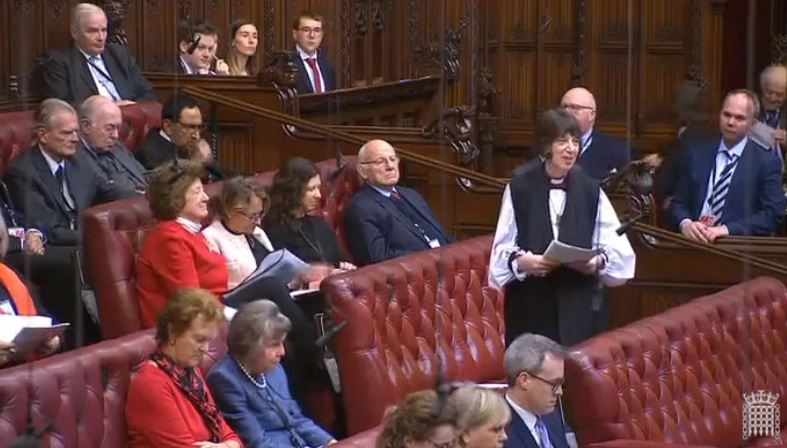
On 14th February 2024, during a debate on the Safety of Rwanda (Asylum and Immigration) Bill, the Bishop of Bristol spoke in support of amendments 19, 21, 25 and 28 to the bill on behalf of the Bishop of Manchester, relating to the proper implementation of the Rwanda Treaty, and introducing further safeguards relating to verifying Rwanda’s safety:
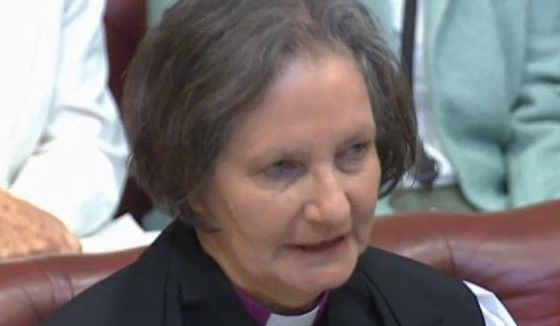
The Bishop of Bristol

The Lord Bishop of Bristol: My Lords, my right reverend friend the Bishop of Manchester regrets that he cannot be here today to speak to Amendments 19, 21, 25 and 28 in the name of the noble Lord, Lord Carlile of Berriew, to which he has added his name. I am grateful to the noble Lord, Lord Anderson of Ipswich, for setting out the case clearly, and I am particularly grateful to follow the noble Lord, Lord Clarke of Nottingham, as he has made the case so powerfully.
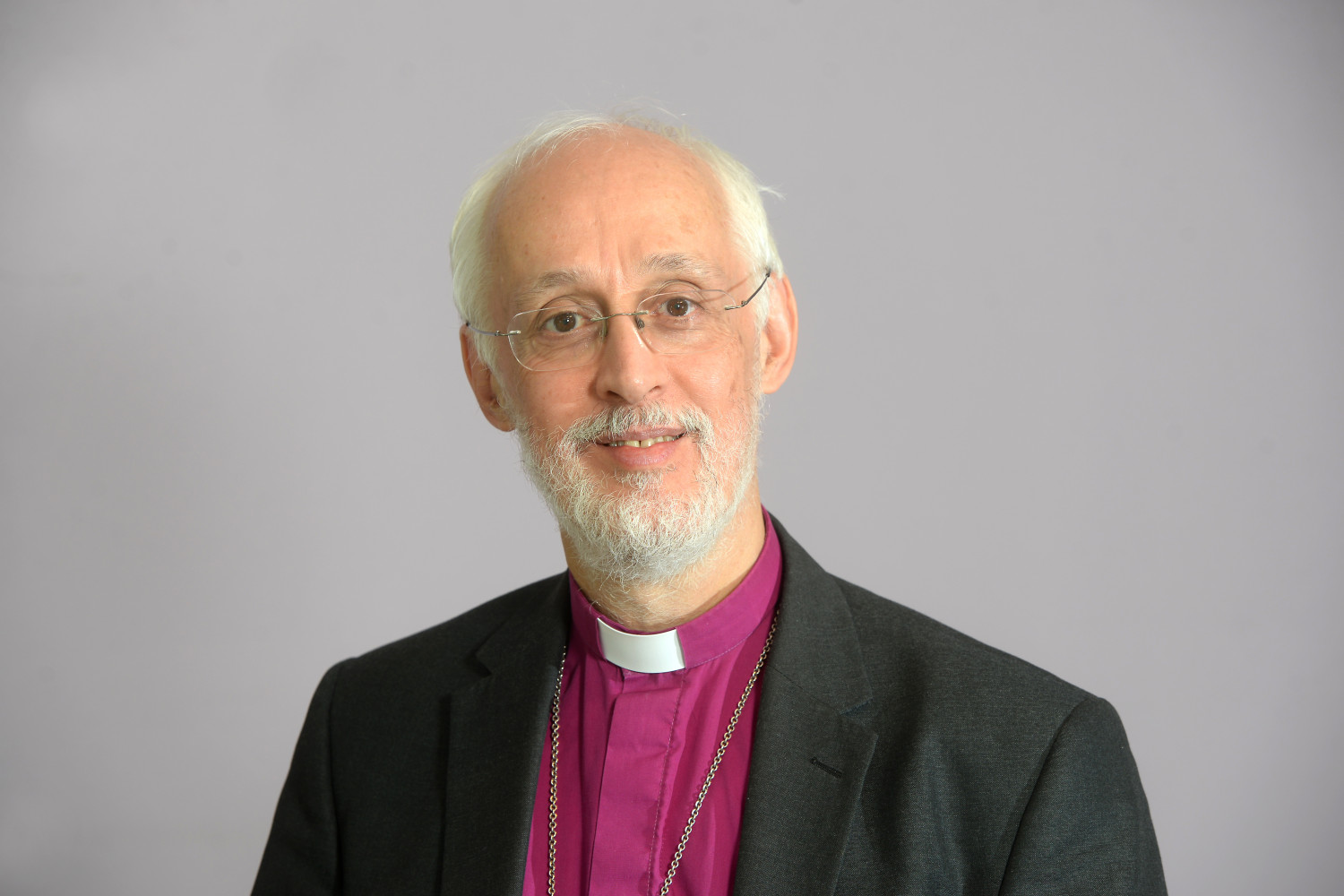
The Bishop of Manchester

My right reverend friend and I are concerned, not as lawyers but as citizens, about the constitutional precedent the Bill sets. The role of the judiciary as distinct from the Government and Parliament must not be infringed. Parliament creates laws but judges and juries are responsible for the finding of facts. Where the Supreme Court has ruled that Rwanda is not safe, it is an abuse of Parliament’s powers, as we have just heard, for it to attempt to declare otherwise. 

We are concerned that the Bill represents a dangerous step. The amendments in the name of the noble Lord, Lord Carlile, therefore attempt to preserve the important principle that facts should be considered by the courts. We must surely be able to take into account credible evidence that Rwanda is not a safe country.

Continue reading “Safety of Rwanda (Asylum and Immigration) Bill: Bishop of Bristol supports amendments related to implementation of UK-Rwanda Treaty”
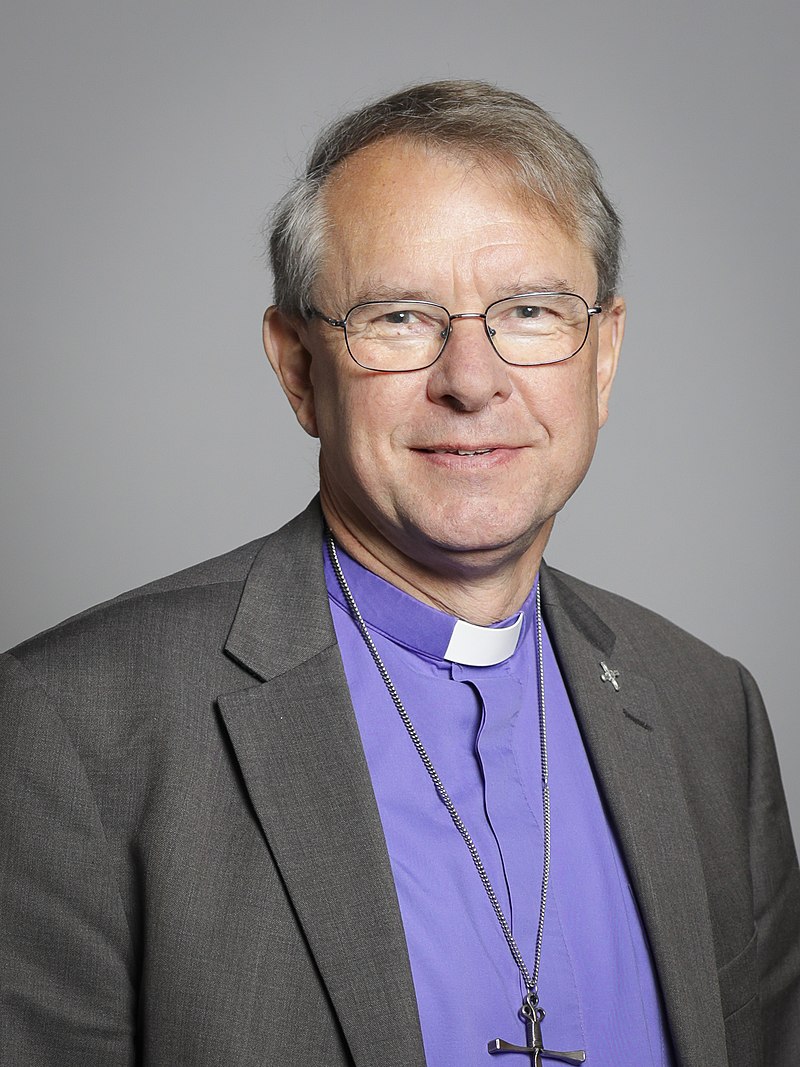
Bishop of Durham asks about growing tensions between Rwanda and Burundi

The Bishop of Durham received the following written answer on 14th February 2024:

The Lord Bishop of Durham asked His Majesty’s Government what assessment they have made of relations between Rwanda and Burundi and the closure of the border between the two countries; and what steps they are taking to help prevent further escalation of tension in the region. [HL2070]

Continue reading “Bishop of Durham asks about growing tensions between Rwanda and Burundi”

Safety of Rwanda (Asylum and Immigration) Bill: Bishop of Southwark queries timeline for legislation relating to Rwanda treaty

During a debate on the Safety of Rwanda (Asylum and Immigration) Bill on 12th February 2024, the Bishop of Southwark spoke in favour of a group of amendments centred around ensuring that Rwanda not be considered safe until the full implementation of the UK-Rwanda treaty, querying when a new Rwandan Asylum bill required by the treaty would be published and made operational:

The Lord Bishop of Southwark: My Lords, I will speak in favour of this group, particularly Amendments 6, 14 and 20, but I wish to avoid the circularity, as the noble Baroness, Lady Chakrabarti, was saying, that has been inevitable on something so interconnected.

The Home Secretary has said that

“we will not operationalise this scheme until we are confident that the measures underpinning the treaty have been put in place; otherwise, the treaty is not credible”.

Continue reading “Safety of Rwanda (Asylum and Immigration) Bill: Bishop of Southwark queries timeline for legislation relating to Rwanda treaty”

Bishop of Durham asks about tensions between Burundi & Rwanda

The Bishop of Durham received the following written answer on 8th February 2024:

The Lord Bishop of Durham asked His Majesty’s Government what assessment they have made of the border closure and the deteriorating relations between Rwanda and Burundi; and what steps they are taking to help prevent tension in the region from further escalating.

Continue reading “Bishop of Durham asks about tensions between Burundi & Rwanda”

Votes: UK-Rwanda Asylum Agreement

On 22nd January 2024, the House of Lords debated a motion on whether the government should ratify the UK-Rwanda Asylum partnership. A vote was held on the motion, in which a Bishop took part:

Continue reading “Votes: UK-Rwanda Asylum Agreement”

Bishop of Gloucester questions decision to legislate over safety of Rwanda

The Bishop of Gloucester spoke in a debate on the government’s asylum agreement with Rwanda on 22nd January 2024, questioning the government’s decision to declare Rwanda a safe country would provide adequate protection to asylum seekers facing deportation:

The Lord Bishop of Gloucester: My Lords, I welcome the opportunity to speak today and thank the International Agreements Committee for its excellent report. I will just say that as Lord Bishops we take no position on this Bench based on tribal loyalty and we are not whipped. Instead, because of what our Christian faith teaches us about care for the stranger, we have spoken with one voice on these Benches.

I am focusing on the issues before us today; friends on this Bench will speak to wider points in the coming weeks, as the Bill is discussed. As has been said, this treaty is the central plank of the Government’s case that Rwanda is a safe country for asylum seekers. As others have commented, it is remarkable for the Executive to request that parliamentarians declare another nation state safe, and safe ad infinitum, on the basis that one drafted international agreement answers all the concerns of the Supreme Court. If Parliament proceeds to, in effect, substitute its judgment for that of the Supreme Court, where does that leave the constitutional principle of the separation of functions and what precedent is this setting?

Continue reading “Bishop of Gloucester questions decision to legislate over safety of Rwanda”

Bishop of Durham speaks in debate on Universal Declaration of Human Rights and the government’s immigration partnership with Rwanda

The Bishop of Durham spoke in a debate on what steps the government are taking to promote the principles of the Universal Declaration of Human Rights on 11th December 2023, stressing the dangers of the potential incompatibility of the government’s Safety of Rwanda (Asylum & Immigration) Bill with the UDHR:

The Lord Bishop of Durham: My Lords, I add my thanks to the noble Baroness, Lady Anelay of St Johns, for securing this debate, and for the way in which she has stood for these issues for many years.

The United Nation’s adoption of the Universal Declaration of Human Rights was a milestone in the history of our world. It marked a global commitment to put human beings above conflict, above the politics of division and above economic gain, granting each individual dignity without discrimination. Though we are 75 years on, promoting the human rights laid out in the declaration remains as vital today as it was in 1948.

The principles and values of human rights lie in the conviction that each human being is unique, made in the image of God and loved by God. Each person is valuable for who they are, not what they are able to do. Thus it applies to every infant and child, and to every frail elderly person, as much as to those who are regarded as wholly fit and able.

Continue reading “Bishop of Durham speaks in debate on Universal Declaration of Human Rights and the government’s immigration partnership with Rwanda”

Bishop of Chelmsford asks about monitoring of funds to refugees allocated by Rwanda under new treaty

The Bishop of Chelmsford asked a question on the government’s treaty with Rwanda, on whether the monitoring committee outlined in the treaty would review how funds have been allocated to meeting the needs of refugees by Rwandan authorities:

The Lord Bishop of Chelmsford: My Lords, will the monitoring committee, as outlined in the economic development partnership and now the treaty, review how funds have been allocated by the Rwandan authorities towards meeting the needs of refugees?

Continue reading “Bishop of Chelmsford asks about monitoring of funds to refugees allocated by Rwanda under new treaty”

Bishop of Worcester asks about impact of new immigration legislation regarding UK’s partnership with Rwanda

The Bishop of Worcester asked a question on the disapplication of the Human Rights Act in immigration enforcement, and the impact of this on clergy visas, on 7th December 2023, in response to a government statement on new legislation relating to the UK’s immigration partnership with Rwanda:

The Lord Bishop of Worcester: My Lords, I apologise for being slightly delayed for the consideration of this Statement. My understanding is that the Bill disapplies certain sections of the Human Rights Act 1998 to allow public authorities to operate in a way that is incompatible with international obligations. If that is the case, surely that means disregarding the human rights of people seeking asylum, and I struggle to see what human rights can mean if they are not conferred on all human beings. I will be grateful if the Minister can comment on that. I will also be grateful—as would all of us on these Benches—for some clarification of the status of tier 2 ministry religion visas, in light of the new financial threshold. Perhaps it would be possible to have a meeting about that.

Continue reading “Bishop of Worcester asks about impact of new immigration legislation regarding UK’s partnership with Rwanda”

Bishop of Durham asks about Rwanda’s support of rebels in the Democratic Republic of Congo

The Bishop of Durham received the following written answer on 25th July 2023:

The Lord Bishop of Durham asked His Majesty’s Government what plans they have to join the US and the United Nations in urging Rwanda to end its support to the M23 rebels in the Democratic Republic of the Congo.

Lord Ahmad of Wimbledon (Con, Foreign Office): The UK continues to monitor the security situation in eastern Democratic Republic of Congo (DRC) closely and its grave humanitarian consequences. We regularly raise the conflict in eastern DRC with the Governments of DRC, Rwanda, and the region, where we urge all parties to deliver on their commitments, agreed through the Nairobi and Luanda processes. This includes the cessation of hostilities, respect for sovereignty and agreed withdrawal by armed groups including M23.

Continue reading “Bishop of Durham asks about Rwanda’s support of rebels in the Democratic Republic of Congo”