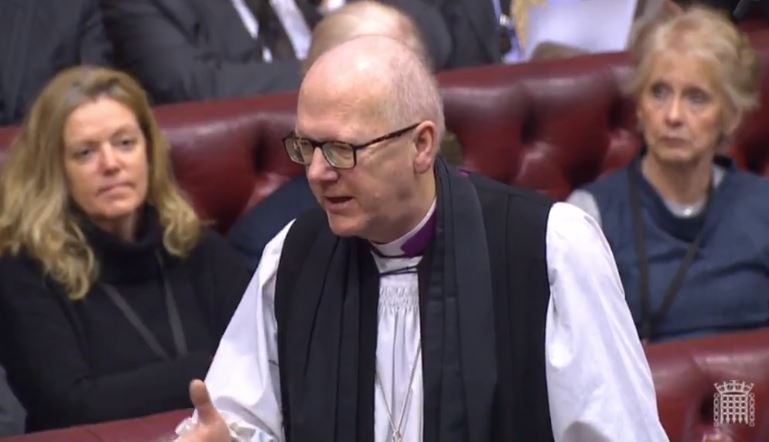
Schools Bill: Bishop of Bristol speaks on amendments in committee

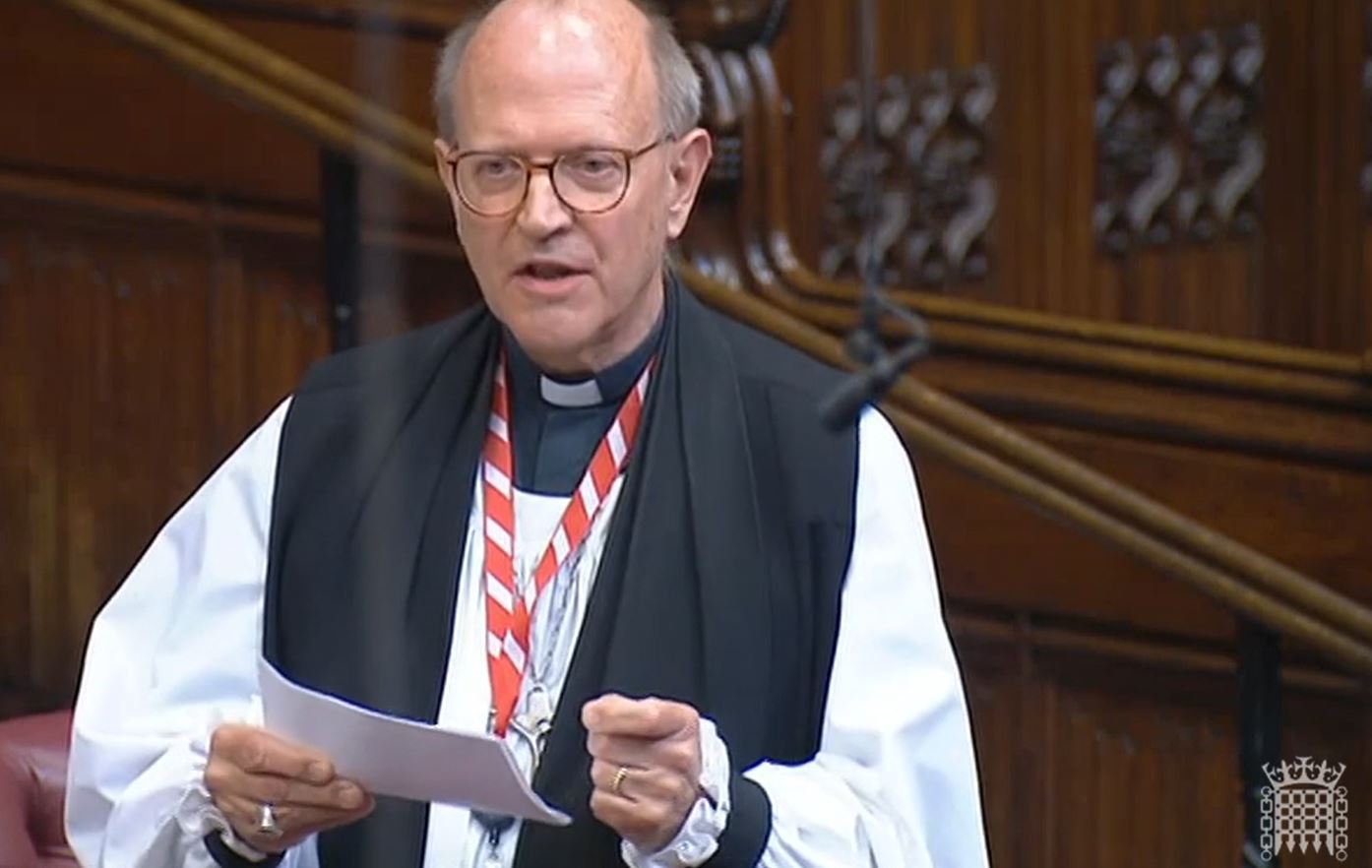
On 13th June the House of Lords continued to debate the Government’s Schools Bill in committee. The Bishop of Bristol spoke in the debate, on behalf of the Bishop of Durham:

The Lord Bishop of Bristol: My Lords, I speak in place of my colleague, the right reverend Prelate the Bishop of Durham, who unfortunately cannot be present today. I declare his interest as chair of the National Society.

I rise briefly to welcome Amendment 40 in this group, which offers real clarity on the issue. We welcome the recognition it shows that the religious body must be involved in giving an interim trustee notice to the proprietor of an academy school with a religious character. We are grateful for the Minister’s continued work on this and hope this might provide a little encouragement at this point.

Continue reading “Schools Bill: Bishop of Bristol speaks on amendments in committee”

Bishop of Durham speaks on amendments to Schools Bill

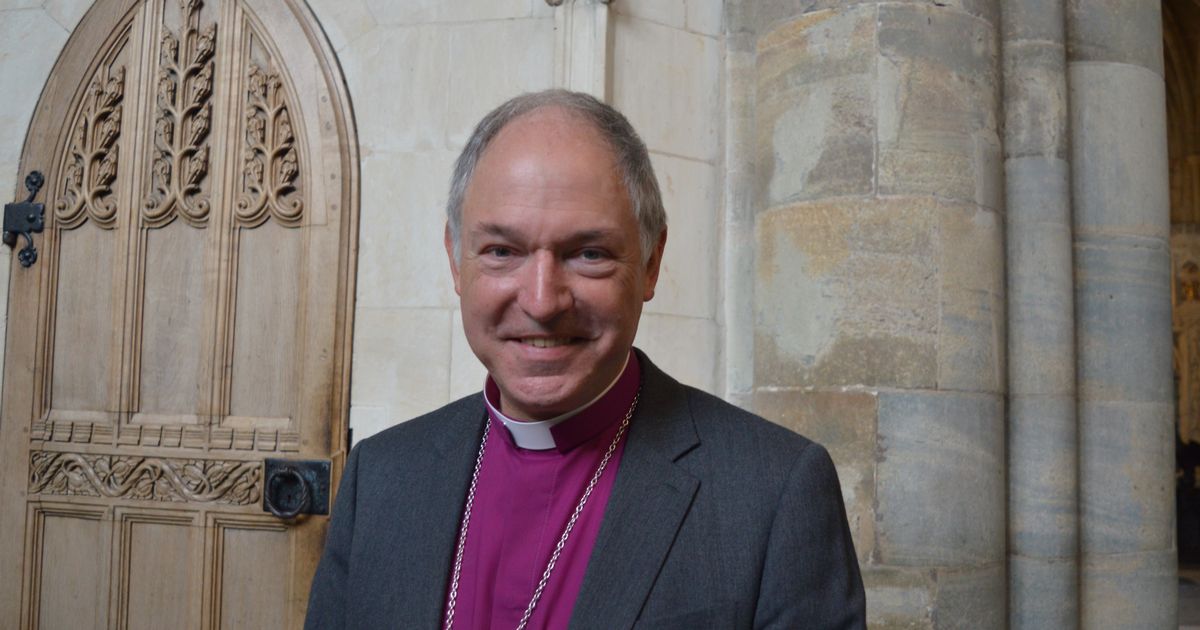
On 8th June 2022, the House of Lords debated the Government’s Schools Bill (HL) in its first day in committee. The Bishop of Durham spoke in the debate, on amendments to the first clause:

The Lord Bishop of Durham: My Lords, I have to declare my interest as chair of the National Society, which oversees Church of England schools, although obviously they are all devolved around each diocesan board. I also apologise that I cannot be here for days two and three in Committee. I have a long-standing family holiday booked, and my marriage and parenthood are more important. I assure noble Lords that things will be covered by other Members on these Benches.

I have been told clearly by Members of this House that I should be very concerned about Clause 1, and indeed Clauses 2, 3, 4, 5, 6, 7, 8 and so on. Because of the nature of the people who have expressed those concerns, I listened very carefully. However, in principle I am persuaded that the move towards full academisation warrants the Secretary of State being given some additional powers. I disagree with a large number here: I think the direction of travel is abundantly clear. It is full academisation. If that is the direction of travel, we need to ensure that system is appropriately covered.

Continue reading “Bishop of Durham speaks on amendments to Schools Bill”

Bishop of Exeter asks about education in the South West

The Bishop of Exeter received the following written answer on 6th June 2022:

The Lord Bishop of Exeter asked Her Majesty’s Government what assessment they have made of the finding in the report by the University of Exeter Social Mobility in the South West, published on 28 April, that “the South-West has the worst educational outcomes for disadvantaged young people in the country, and low social mobility compared with other areas”; and what steps they are taking to address these problems.

Continue reading “Bishop of Exeter asks about education in the South West”

Bishop of Worcester asks about the Schools White Paper

The Bishop of Worcester asked a question concerning Church of England schools and the government’s Schools White Paper on 29th March 2022:

The Lord Bishop of Worcester: My Lords, I echo the noble Lord, Lord Storey, in his thanks for the White Paper. In doing so, I declare my interest as president of the Woodard Corporation. In expressing gratitude, I appreciate in particular how the White Paper recognises the vital role the Churches have played in the educational landscape of this country for more than 200 years and that it sets out how the role needs to continue to be enabled in the future development of the school system. I will focus on two questions regarding the move towards the fully academised educational landscape set out in the White Paper and invite the Minister to agree that it requires two key things.

Continue reading “Bishop of Worcester asks about the Schools White Paper”

Bishop of Birmingham asks about cohesion in schools

The Bishop of Birmingham asked a question regarding improvements in cohesion in Birmingham schools on 28th March 2022:

The Lord Bishop of Birmingham: My Lords, will the Minister commend the people of Birmingham for their extraordinary efforts since 2014 on cohesion and attempting to learn lessons from this very complicated event, as we have heard in your Lordships’ House today? Will she particularly commend them for the United Nations rights reporting school award, which has been applied for every year and is now awarded to 51% of primary and secondary schools in Birmingham, compared with only 18% across the country? Will she commend these actions and others, and ask for them to be replicated around the country so that we might live as one people?

Continue reading “Bishop of Birmingham asks about cohesion in schools”

Bishop of St Albans asks about home education

The Bishop of St Albans asked a question on increasing numbers of families choosing home education for their children, during a debate on alternative educational provision on 15th December 2021:

The Lord Bishop of St Albans: My Lords, returning to home schooling, I have been very struck by the number of people I have met in the last year or two who have decided to take their children out of mainstream schooling to educate them at home—often, from what I hear, with spectacular academic results. But what assessment has been made about the trends of whether this is increasing, and what assessment has been made about the reasons why people are doing this? We need to listen to what is happening at a grass-roots level to understand this phenomenon.

Continue reading “Bishop of St Albans asks about home education”

Bishop of Durham asks about exclusions of pupils with special educational needs and disabilities

The Bishop of Durham received the following written answer on 8th December 2021:

The Lord Bishop of Durham asked Her Majesty’s Government:

  • how many students with Special Educational Needs and Disabilities have been informally excluded in the last academic year.
  • what assessment they have made of the report by the National Autistic Society School Report 2021, published on 9 November; in particular, the findings about informal exclusions; and what steps they intend to take in response to ensure that schools do not practice such exclusions.

Baroness Barran (Con): The department does not hold figures on the number of pupils who have been informally excluded from school. Informal exclusions are unlawful and therefore there is no mechanism for recording them.

Continue reading “Bishop of Durham asks about exclusions of pupils with special educational needs and disabilities”

Bishop of St Albans asks about purposes of home-schooling register

The Bishop of St Albans asked a question about concerns over the government’s proposal to introduce a register of home schooled children on 21st July 2021:

The Lord Bishop of St Albans: My Lords, parents often choose home schooling to escape the rigidity, values and standardisations of public education. Some people are deeply fearful that a register might seek to reimpose this. Will Her Majesty’s Government assure us that this register is for safety and quality purposes only and that parents will be able to continue to exercise their discretion and freedom of conscience over what and how best to educate their children?

Continue reading “Bishop of St Albans asks about purposes of home-schooling register”

Education (Guidance about Costs of School Uniforms) Bill: Bishop of Durham speaks at second reading

The Bishop of Durham spoke at the second reading of the Education (Guidance about Costs of School Uniforms) Bill on 19th March 2021, supporting the bill and emphasising the need to ensure affordable and ethically made school uniforms be made accessible to all:

The Lord Bishop of Durham [V]: My Lords, I speak in my capacity as chair of the National Society, and thus lead bishop in the Church of England for education. In principle, uniform is a fantastic leveller: it can foster unity and provides an opportunity for students to worry less about the challenges of fitting in. It is therefore worrying to find that the cost of uniforms is instead causing division by highlighting disparities. Having poverty- aware uniform policies means that we can avoid worsening the disadvantages that a child in poverty is already faced with. We must return uniforms to being beneficial, which the Bill will do. The Bill has my support, as it would ensure that all families can afford uniforms.

Continue reading “Education (Guidance about Costs of School Uniforms) Bill: Bishop of Durham speaks at second reading”

Bishop of Gloucester asks about prioritization of vaccines in schools and prisons

The Bishop of Gloucester asked a question on the need to prioritise vaccination in prisoners and schools on 25th January 2021, following a government statement on the COVID-19 vaccine rollout:

The Lord Bishop of Gloucester: I wish to make two points and I draw attention to my interests as listed in the register. First, I am very concerned about prisons. There are reports that about 71 prisoners have died, and the number of prison staff who have tested positive continues to rise alarmingly. There is great flux within a prison, with staff coming and going, and those being released from prison and those coming into prison. Will the Government consider prioritising the vaccinating of prisoners and those who work in prisons? Secondly, I add my voice to those calling for teachers and early years staff to be prioritised. Schools are open and our dedicated teachers and early years staff must be able to continue their work safely and not be off sick, if we are to do the right thing by our children.

Continue reading “Bishop of Gloucester asks about prioritization of vaccines in schools and prisons”