
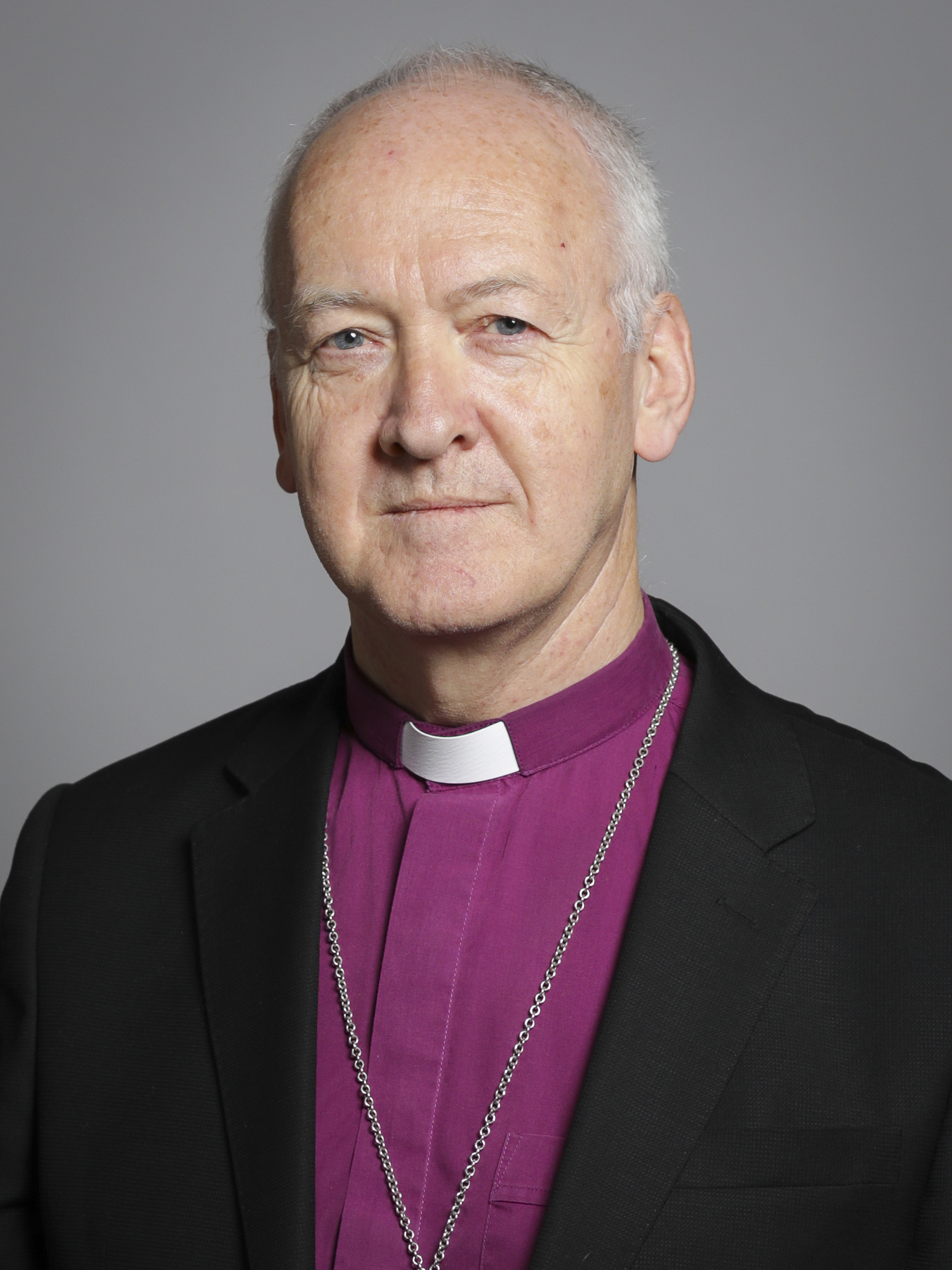
The Bishop of Leeds received the following written answers on 17th March 2025:
The Lord Bishop of Leeds asked His Majesty’s Government what steps they are taking to support people in the Kurdistan Region of Iraq who are internally displaced because of the threat posed by Daesh.
Lord Collins of Highbury (Lab): The UK continues to collaborate with the Government of Iraq, the Kurdistan Regional Government, and the international humanitarian community as we collectively seek durable solutions (led by the United Nations High Commissioner for Refugees) for those displaced and living in insecure conditions.
Through the International Organization for Migration, the UK is contributing to the immediate stabilisation of those who remain internally displaced by funding quick impact projects and livelihood support activities. For example, we have provided the UN funding facility for stabilisation with £32 million, to restore vital public services such as utilities and education across liberated areas of Iraq. The UK also provides funding to the office of the UN durable solutions adviser to lead the UN’s strategic coordination efforts.
We will always strive to ensure that internally displaced persons in Iraq, including the Kurdistan Region of Iraq, are protected and that their returns can be safe, dignified, and voluntary.
The Lord Bishop of Leeds asked His Majesty’s Government what steps they are taking to support survivors of Daesh crimes in Iraq.
Lord Collins of Highbury (Lab): The UK strongly lobbied the Government of Iraq to pass the Yazidi Survivors’ Law in March 2021. As a ground-breaking piece of legislation, this represented an important first step towards accountability and justice for survivors of Daesh violence. These survivors are predominantly minority women, who suffered from crimes such as conflict-related sexual violence and domestic servitude.
The UK is funding the General Directorate of Survivors’ Affairs with £340,000 over three years (2022/23-2024/25), through the International Organization for Migration. This funding will support the law’s full, and survivor-centred, implementation. It will also further develop capacity for Daesh accountability and help survivors access mental health and psychosocial support and rebuild their lives.
Furthermore, the UK will continue to work with Iraq and international partners to ensure that Daesh are held accountable for the crimes they have committed, following the closure in September 2024 of the United Nations investigative team to promote accountability for crimes committed by Daesh.
The Lord Bishop of Leeds asked His Majesty’s Government what assessment they have made of the threat to religious minorities in Iraq from Daesh and its affiliates.
Lord Collins of Highbury (Lab): The UK is disappointed that minority communities in Iraq, including Christians and Yazidis, continue to report cases of discrimination, intimidation, and harassment by armed groups. These cases can be exacerbated by their political underrepresentation, limited routes for redress, and protracted displacement.
This is why our programmes, through the UK Integrated Security Fund, tackle the key drivers of instability and aim to support a more accountable, capable, and inclusive society, through effective governance structures.
For example, in 2023, we implemented a £15,000 programme in Bashiqa, in Nineveh Province (an area still recovering from the impacts of Daesh), to improve religious tolerance and social cohesion, through initiatives focussed on arts and culture. This was implemented by The Lotus Flower, a charity supporting women and girls impacted by conflict and displacement, with funding from the UK’s John Bunyan Fund for Freedom of Religion and Belief.
Reducing the threat from Daesh and preventing a Daesh resurgence remains a top priority in our relationship with the Government of Iraq and the Kurdish Regional Government.
 The Church of England in Parliament
You must be logged in to post a comment.