
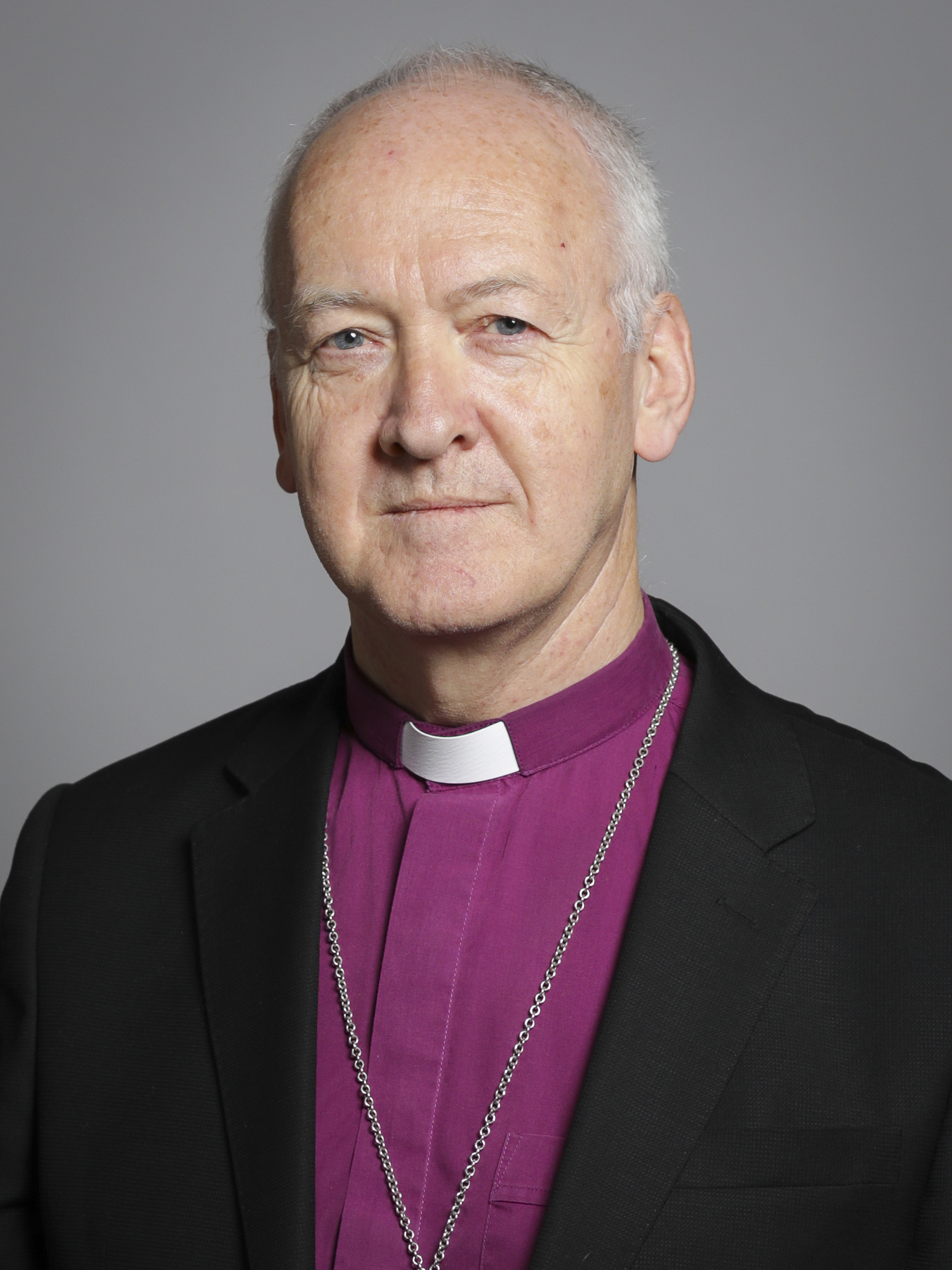
The Bishop of Leeds, the Bishop of St Albans, and the Bishop of Winchester received the following written answers on 12th April 2025:
The Lord Bishop of Leeds asked His Majesty’s Government:
- what military support they are providing to the government of Rwanda for (1) training, (2) technology, (3) tactics, and (4) weapons licensing, and whether they have reviewed these arrangements following the support by the government of Rwanda for M23 rebels in eastern Democratic Republic of the Congo.
- what financial support, debt relief and development assistance they are providing to Rwanda, and what steps they will take to review these arrangements as a result of the support by the government of Rwanda for M23 rebels in eastern Democratic Republic of the Congo.
Lord Collins of Highbury (Lab, FCDO): The UK has condemned the offensives by M23 and the Rwandan Defence Force as an unacceptable violation of the Democratic Republic of the Congo’s (DRC) sovereignty and territorial integrity, and a breach of the UN Charter. On 25 February, the UK issued a statement following the Foreign Secretary’s visits to Kinshasa and Kigali announcing several measures impacting Rwanda. These included a suspension of future defence training assistance to Rwanda, revoking relevant extant licences for the armed forces in Rwanda, and a pause in direct bilateral financial aid to the Government of Rwanda, excluding support to the poorest and most vulnerable.
The Lord Bishop of Leeds asked His Majesty’s Government what discussions they have had with the government of Qatar about the conflict in eastern Democratic Republic of the Congo, and support by Rwanda for M23 rebels.
Lord Collins of Highbury: The conflict in eastern Democratic Republic of the Congo (DRC) is deeply alarming. We have been clear that there can be no military solution and call for meaningful engagement in peace processes. We are in close contact with a range of partners globally on eastern DRC, including Qatar. Ministers and senior officials hold regular meetings to discuss foreign policy issues with their Qatari counterparts.
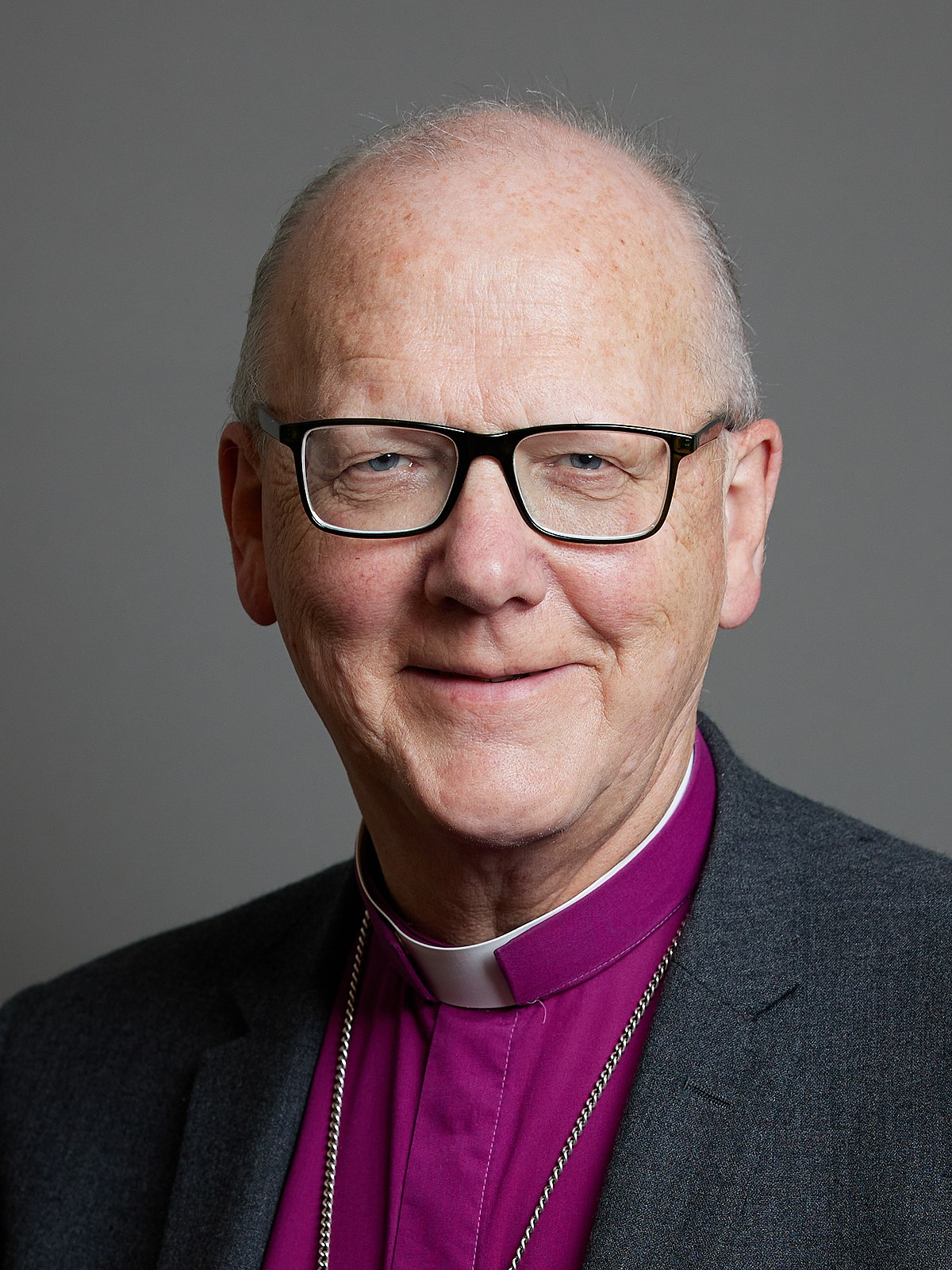
The Lord Bishop of St Albans asked His Majesty’s Government what assessment they have made of the impact of ongoing human rights abuses in the Democratic Republic of the Congo, particularly in North and South Kivu, on freedom of religion or belief; and what representations they have made to international partners regarding the protection of religious minorities in areas affected by violence from M23 and other armed groups.
Lord Collins of Highbury: Human rights in the Democratic Republic of the Congo (DRC), including promoting respect between different religious and non-religious groups, are a priority for the UK. We work with the United Nations and other multilateral bodies to promote and protect them. Our Ambassador in Kinshasa and Ministers regularly raise protection of human rights with the government of DRC. We are alarmed and saddened by the attacks by IS-affiliated Allied Democratic Forces on Christian communities and the resulting loss of life. There is no evidence so far that churches have been specifically targeted by M23 rebels. The UK continues to remind all parties of their obligations under international humanitarian law and make clear that all those who have committed human rights violations and abuses must be held accountable.
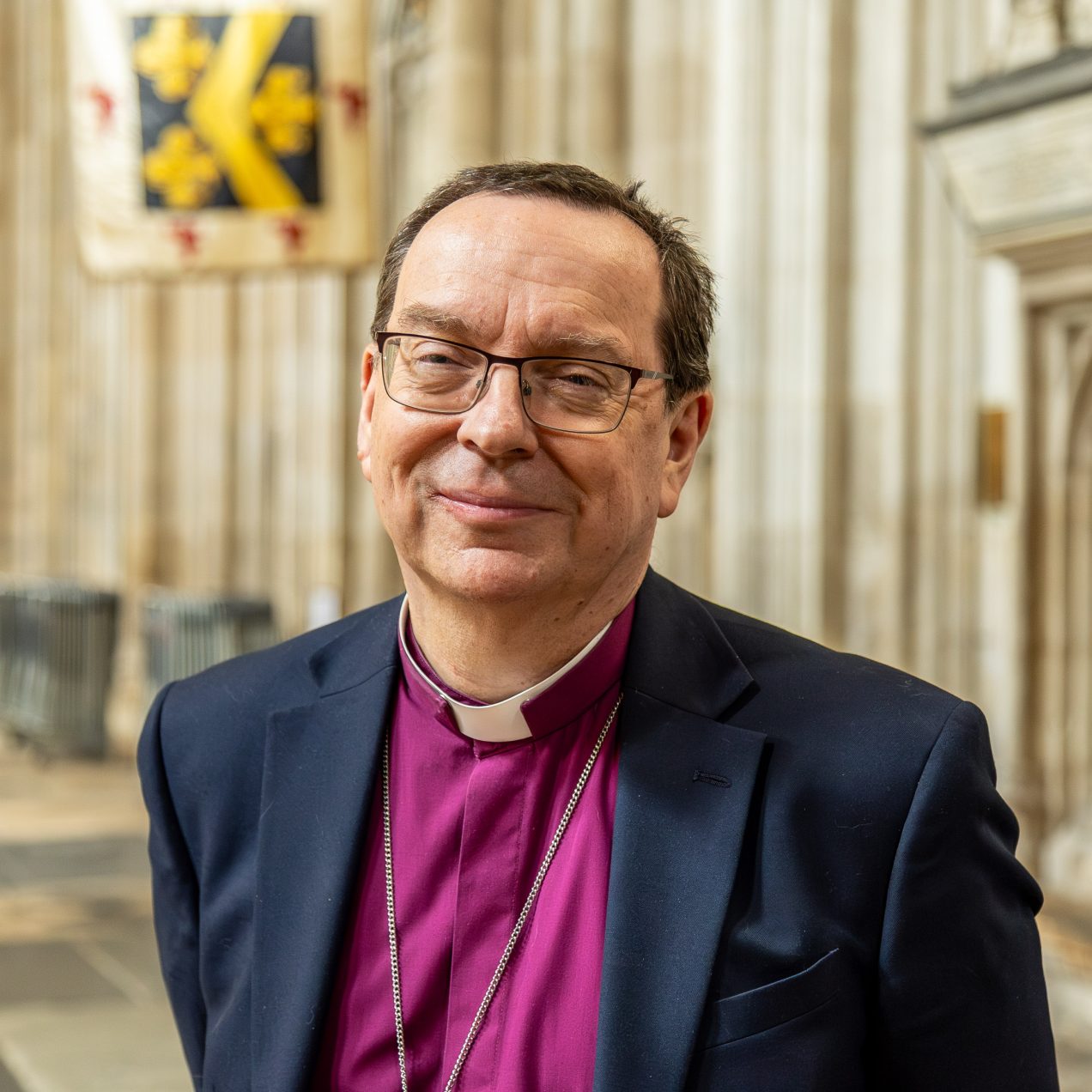
The Lord Bishop of Winchester asked His Majesty’s Government what steps they are taking to facilitate safe humanitarian access and protection of civilians in the Democratic Republic of the Congo.
Lord Collins of Highbury: The UK is deeply concerned by the limited ability of humanitarian actors to get help to civilians. On 25 February, the UK issued a statement following the Foreign Secretary’s visits to Kinshasa and Kigali to announce measures against Rwanda and call for an immediate cessation of hostilities, humanitarian access, respect for international humanitarian law, meaningful engagement with African-led peace processes, and the withdrawal of all Rwanda Defence Forces from Congolese territory. The UK has committed £20 million to International Committee of the Red Cross for their 2025 appeal, a proportion of which will support a programme that includes mediating safe passage. The UK condemns human rights abuses by all armed groups in the Democratic Republic of the Congo. We call on all parties to uphold International Humanitarian Law, protect women and girls and combat impunity.
The Lord Bishop of Winchester asked His Majesty’s Government what steps they are taking to engage private finance and the private sector in efforts to support a lasting peace within eastern Democratic Republic of the Congo and the surrounding region.
Lord Collins of Highbury: The UK is committed to supporting a thriving private sector in the Democratic Republic of the Congo (DRC) – recognising the enormous potential for climate-smart growth and that a more resilient economy will mean a more resilient DRC. UK officials regularly engage with the private sector on the conflict in eastern DRC, including on how we can best support sustainable peace. British Embassy Kinshasa has also offered support to British companies affected by the conflict. The UK also supports improved transparency and governance in the mining sector, in support of sustainable peace in the region. Exploitation of natural resources fuels the business models of armed groups and we are clear that this must stop. The UK therefore supports the Extractive Industries Transparency Initiative.
The Lord Bishop of Winchester asked His Majesty’s Government what guidance they have issued to UK companies that operate in industries at risk of exposure to illicit minerals originating from territory occupied by M23 rebels in eastern Democratic Republic of the Congo.
Lord Collins of Highbury: The UK has sanctioned M23 and other armed groups through the Sanctions and Anti-Money Laundering Act. We support the Extractive Industries Transparency Initiative, which aims to improve transparency and governance in the mining sector. The UK works through international mechanisms that enable businesses to operate responsibly in conflict affected and high-risk areas. The UK is also a member of the Voluntary Principles for Security and Human Rights, which promote a set of principles to guide companies in the extractives sector to maintain the safety and security of their operations to reduce the risk of human rights abuses. We expect all UK businesses to respect human rights throughout their operations, in line with the UN Guiding Principles on Business and Human Rights and the Organisation for Economic Co-operation and Development Guidelines for Multinational Enterprises. Implementation of these frameworks supports access to justice and remedy for victims of business-related human rights abuses.
The Lord Bishop of Winchester asked His Majesty’s Government what steps they are taking to support regional and sub-regional peace processes to end the conflict in the Democratic Republic of the Congo, including the Nairobi and Luanda peace processes.
Lord Collins of Highbury: The UK has been active in supporting regionally led peace efforts. My first visits to Africa as Minister for Africa were to Angola, the Democratic Republic of the Congo (DRC) and Rwanda, to meet with heads of state and encourage engagement in good faith African-led peace processes. I also spoke to the Ugandan Foreign Minister to discuss the importance of an African led solution to the conflict. The Foreign Secretary met with President Tshisekedi in Kinshasa and President Kagame in Kigali on 21 and 22 February to urge them to meaningfully engage in African-led peace processes and honour their commitments from the Southern African Development Community-East African Community Summit. The Foreign Secretary has also spoken to South African and Kenyan Foreign Ministers. The UK remain in close contact with key partners across Africa, North America and Europe in support of regional peace processes to end the conflict in DRC.
The Lord Bishop of Winchester asked His Majesty’s Government what assessment they have made of the flow of minerals and other natural resources to Rwanda from territory occupied by M23 rebels in eastern Democratic Republic of the Congo.
Lord Collins of Highbury: The exploitation of natural resources fuels the business models of armed groups. We are clear that this must stop. Everyone in the region stands to benefit from peace. That is why we announced in February a set of actions, alongside action from other international partners, to encourage all parties to return to the negotiating table. We will not let this conflict be forgotten. The UK also supports the Extractive Industries Transparency Initiative, which aims to improve transparency and governance in the mining sector.
 The Church of England in Parliament
You must be logged in to post a comment.