
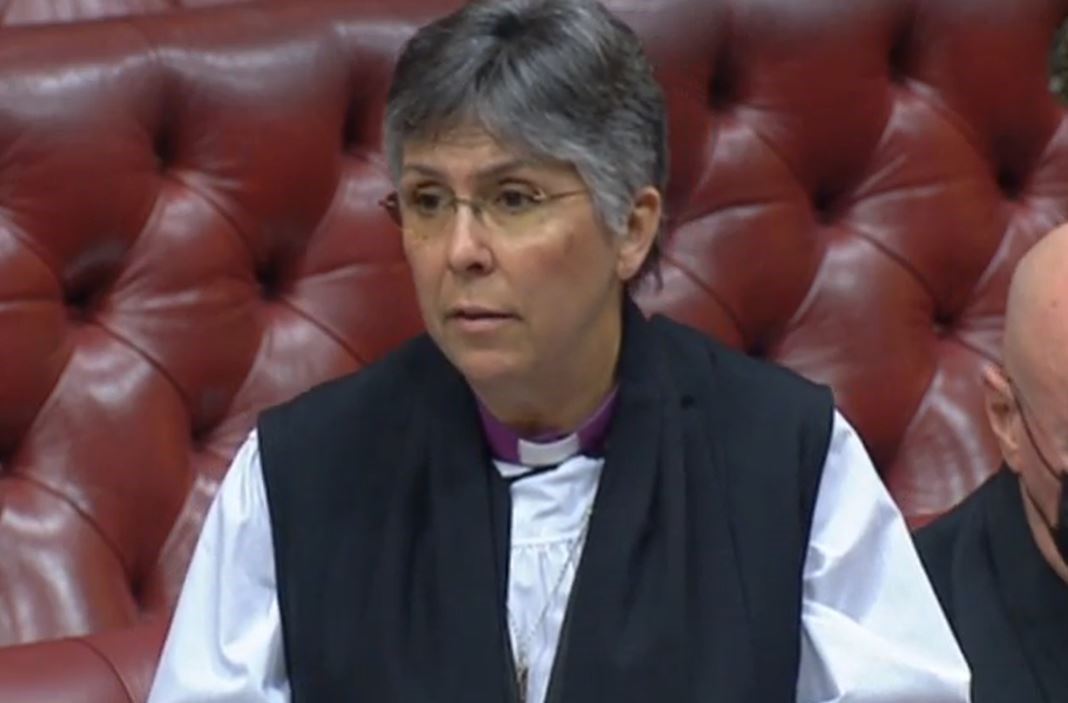
The Bishop of Chelmsford spoke in a debate on declining birth rates on 4th June 2026, pointing out the impact of shifting costs of living on the ability to start families:
The Lord Bishop of Chelmsford: My Lords, as we have heard, declining birth rates carry profound economic and social consequences. The story of human origins in the Book of Genesis begins with a God-given mandate to populate the Earth, and supports the basic goodness of family life. The Christian tradition has consistently affirmed the value of children. The baptism liturgy declares that children are a blessing and a gift from God. That conviction remains important, not only for people of faith but for society as a whole. Children represent continuity, connecting us with the generations that have gone before us and giving hope for the future. They are a gift to the whole community, not only to their parents and others who may raise them.
It is important, however, to understand the complex factors behind declining birth rates, which, as mentioned by the noble Lord, Lord Davies of Brixton, include women’s choice but also fearfulness about the future, difficulties in combining career and family and financial pressures. The expense of housing, student loan repayments and the rising cost of living all contribute to delaying family formation. Couples now marry later, start a family later and often have fewer children than hoped for, not least because, by the time financial circumstances may seem more favourable, biology may well be less co-operative.
As I have said before in this Chamber, we are witnessing the unravelling of an unwritten social contract: namely, if you obtain a decent education and work hard, you should be able to save for a deposit, buy a home, start a family and provide stability for your children until they can do likewise. For many young adults today, that promise feels increasingly out of reach. It takes many years to save for a deposit, and two stable salaries are then typically needed to pay the mortgage, with an average house now costing 7.6 times the average salary, rising to 10.6 in London. High house prices also limit the ability of younger generations to build housing wealth and financial security, contributing to the growing crisis in intergenerational equity. While there are limits to what the state can and should do, there is much within a Government’s power to address some of the barriers that I have described, and to legislate in such a way that supports families of varying shapes and sizes, as outlined so clearly by the noble Baroness, Lady Nargund, in her opening speech.
I am heartened by the Government’s commitment to family hubs. At their best, they can provide valuable help and support for all parents and families. However, they remain something of a postcode lottery. If they are to make a difference across our communities, they should be accessible and attractive to all families, not only those experiencing crisis, and they should be embedded in a wider ecosystem of support, involving voluntary organisations, and community and faith groups.
Secondly, the Government’s family test should be strengthened. It is too weak at present: inconsistently applied and insufficient to ensure that the effects of policy on family relationships are properly considered across government. I therefore urge the DWP to review the family test, strengthen its application and make it a statutory requirement, so that the well-being of families is embedded more firmly across government decision-making. This would signal to prospective parents that their choice to have children will be supported by the state. I therefore ask the Minister whether any steps have been taken to review the family test, considering concerns about declining birth rates.
Demographic change presents us with serious challenges, but it also invites us to reflect on the kind of society that we wish to build. If we value families, if we welcome children as a blessing and as a source of hope, and if we want future generations to flourish, we must ensure that those who wish to marry, establish a home and raise children are not prevented from doing so by barriers that could be avoided.


You must be logged in to post a comment.