
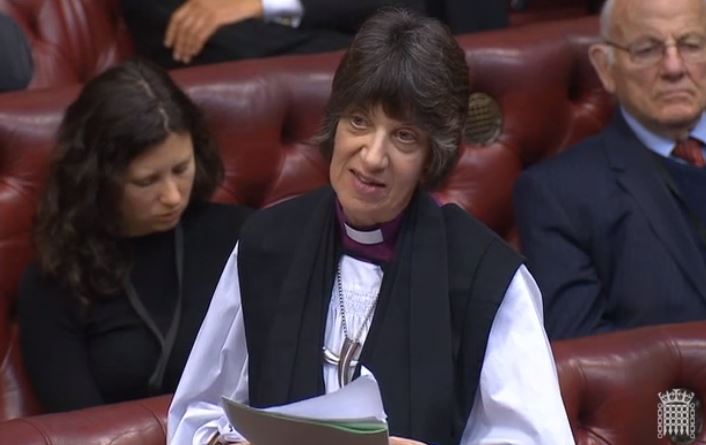
The Bishop of Gloucester spoke in a debate on international development outcomes for women and girls on 9th July 2026, raising the issue of violence against women and girls and the impact of cuts to official development assistance:
The Lord Bishop of Gloucester: My Lords, I, too, am grateful to the noble Baroness, Lady Sugg, for bringing this debate. I will focus on violence against women and girls. As we have heard, the fundamental concern here is whether the reduction in UK ODA can be achieved without significant consequences for women and girls. The Government’s own equality impact assessment acknowledges that the reduction in ODA
“will inevitably have negative impacts for many programme beneficiaries”.
I state the obvious here that women and girls constitute at least 50% of the world’s population. When we talk about these issues, I often feel as though we are talking about something that affects a minority group, which would still not be acceptable, but sometimes we need to state the obvious.
I warmly welcome the Government’s commitment to maintain central spending on preventing violence against women and girls, the Preventing Sexual Violence in Conflict Initiative and women, peace and security programmes. However, UN Women reports that global aid cuts totalling an estimated $78 billion are severely impacting efforts to end violence against women and girls, with around one-third of organisations suspending programmes and over 40% reducing vital services such as shelters, legal aid and psychological support. This is tragic.
From a faith perspective, ending gender-based violence is a priority across the Anglican Communion, and many churches and communities are being trained to respond to abuse, support survivors and change harmful social norms. There is much more we can and should do. I pay tribute to the Mothers’ Union, an Anglican, women-led movement of around 4 million members in 83 countries that works at grass-roots level to tackle violence, poverty and injustice. For many vulnerable women, particularly in remote communities, Mothers’ Union branches provide practical support, literacy training, economic empowerment and protection from abuse. Indeed, faith-based organisations are often among the few institutions that are present in fragile and conflict-affected settings. Where age reduction leads to fewer partnerships with trusted local organisations, women and girls may lose access to critical support networks.
Will the Minister say what steps the FCDO is taking to remove barriers to funding for faith-based organisations working to prevent gender-based violence, and what engagement it has had with them on the impact of funding cuts? The measure of our development policy is not simply what we say about gender equality but what women and girls are unable to live—lives marked by greater safety, opportunity and dignity. At a time of significant reductions in aid spending, it is all the more important that we keep those women and girls at the heart of our decision-making and ask whether our choices are helping them to flourish.


You must be logged in to post a comment.