Bishop of Worcester speaks in debate on official development assistance

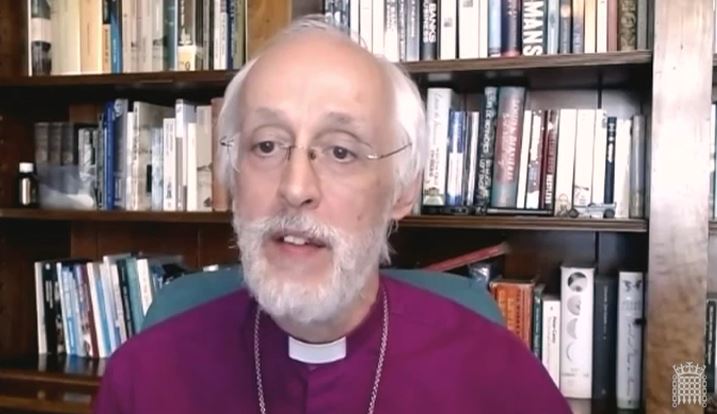
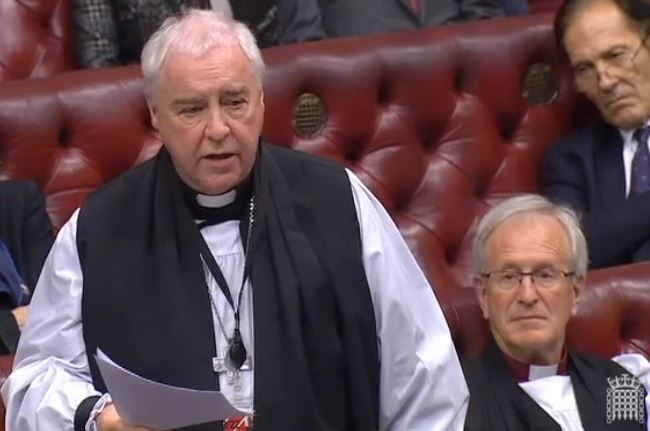
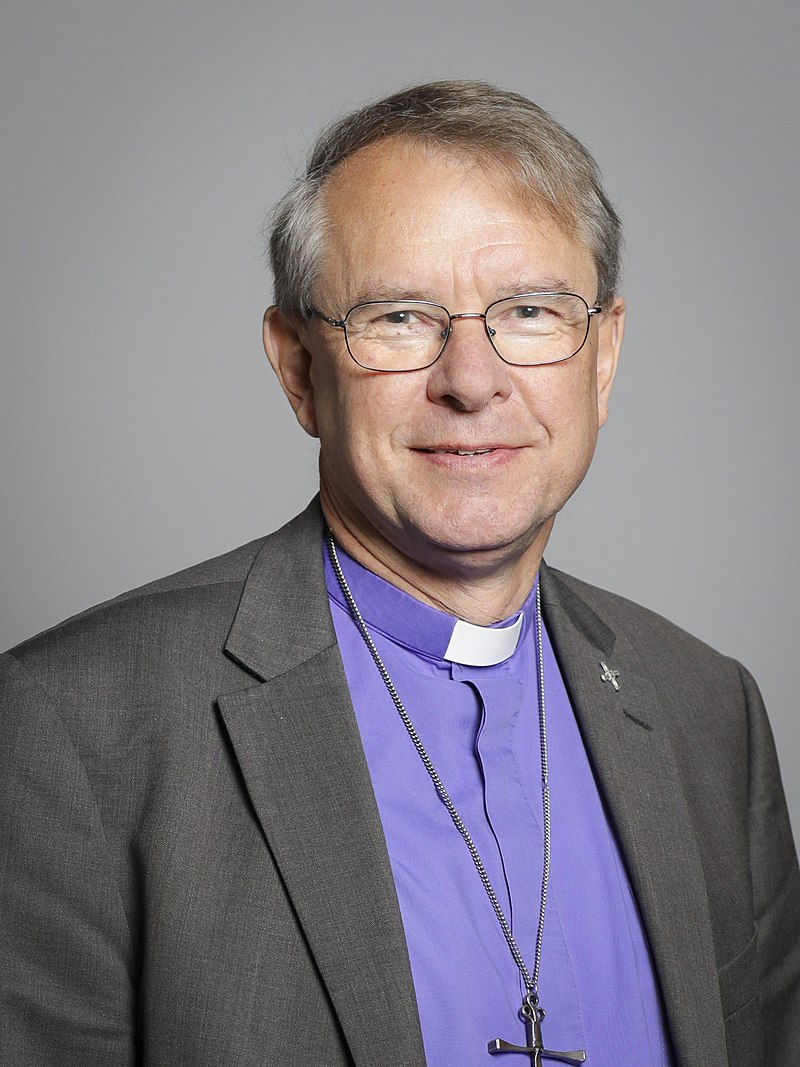
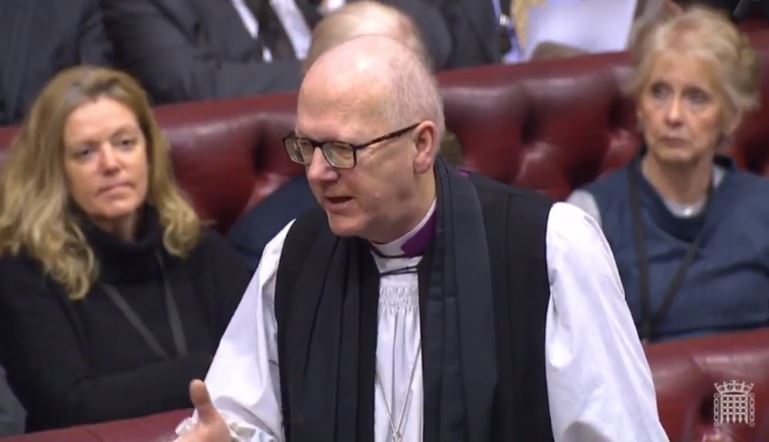
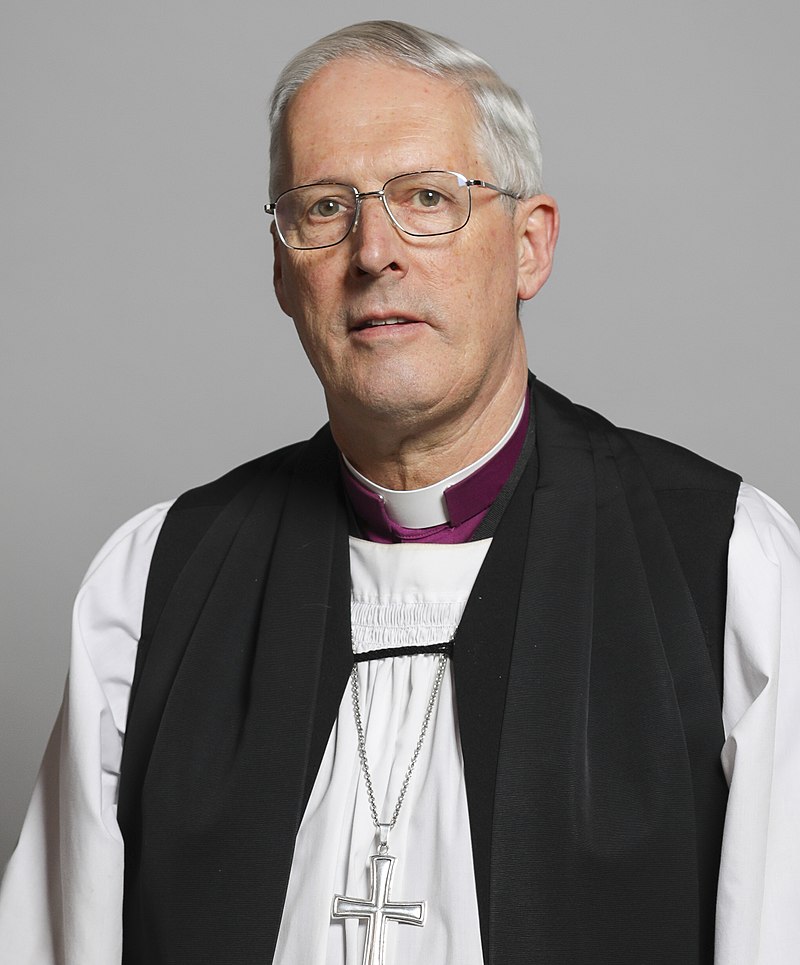
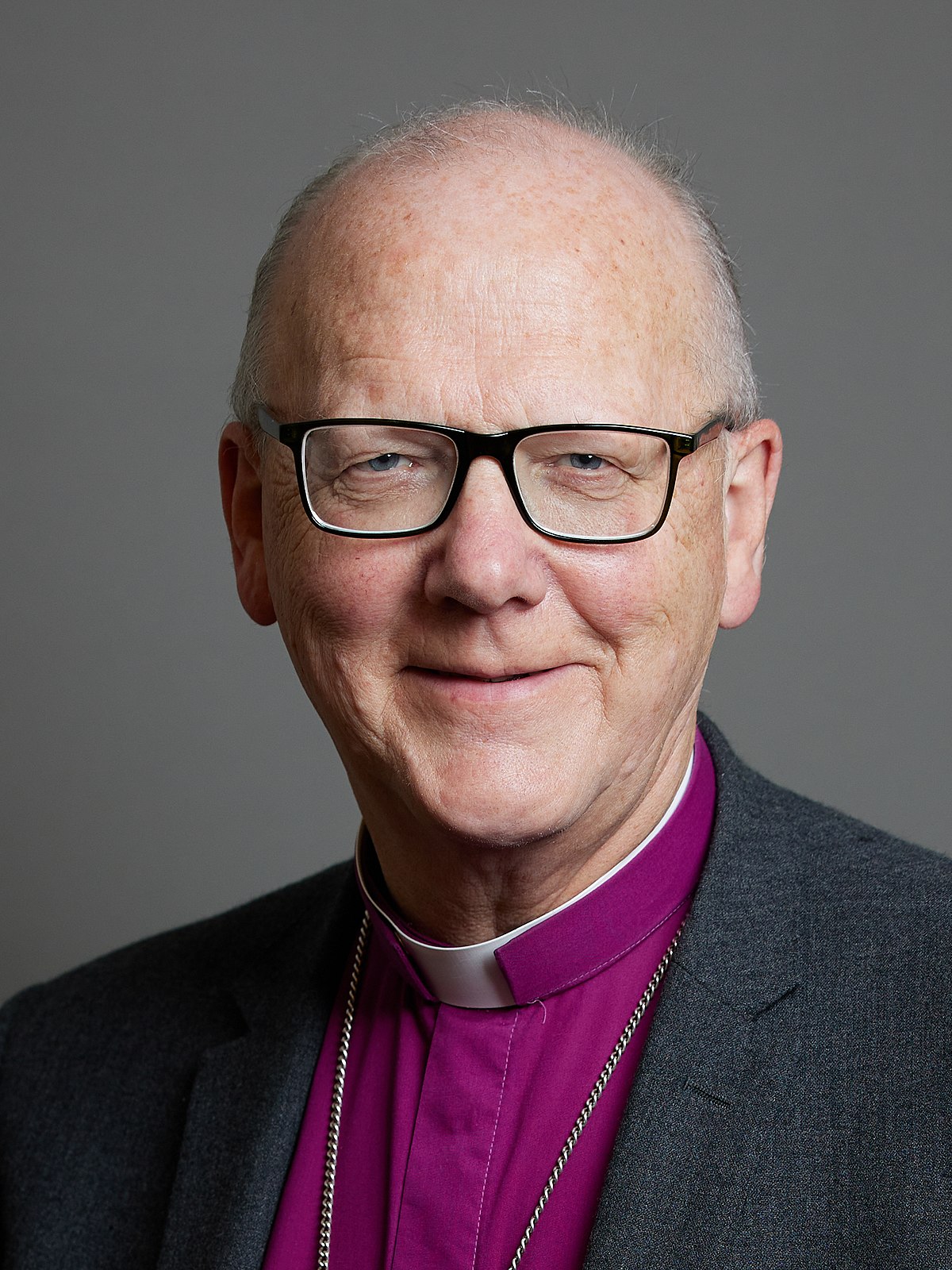
The Bishop of Worcester took part in a debate on the UK Government’s decision to reduce spending on official development assistance on 24th June 2021, pointing out the high number of doctors and healthcare professionals from overseas working in the UK, in effect taking from countries to which the UK provides aid:
The Lord Bishop of Worcester: My Lords, I echo the thanks expressed to the noble Lord, Lord Campbell, for this debate. There are many reasons for honouring the manifesto commitment to 0.7% aid, of which the Conservative Party can be proud. I will focus on just one.

Our National Health Service has done a fantastic job during the pandemic and been rightly lauded for doing so. One of the reasons for its success is its superb workforce, no fewer than 170,000 of whom are foreign, the vast majority from poorer countries which are struggling in the face of the pandemic. Figures show that Indians make up the largest number of foreign staff members at 27,000, followed by Filipinos at 23,000. Ghana provides over 3,000, Zimbabwe 4,500 and Pakistan 4,400. The fact is that we are taking more out of developing countries, when we poach their doctors, nurses and other skilled professionals, than we are putting in through aid.

Continue reading “Bishop of Worcester speaks in debate on official development assistance”

Bishop of Carlisle raises need for proper support for paid and unpaid carers

The Bishop of Carlisle spoke in a debate on social care in the UK on 24th June 2021, raising the issue of staff retention in the paid care sector, and the need for recognition and support of unpaid carers:

The Lord Bishop of Carlisle: I congratulate the noble Baroness, Lady Jolly, on securing this timely debate. I should declare an interest as co-chair of a newly formed archbishops’ commission on reimagining social care. Understandably, much of the current discussion of social care involves the issue of funding. That is fundamentally important, but I believe the time has also come for a radical—in the sense of going to its roots—reappraisal of the values and principles underlying social care, not only for the elderly but for those with disabilities and severe mental illnesses. It has been clear for many years that we need an inspiring, cross-party, long-term vision for social care which involves rethinking how we want it to be understood as well as delivered, with those in need of care valued for who they are rather than simply regarded as an inconvenient burden. It has also been clear that that should include reference to some of the underlying societal conditions that contribute to the overall need, such as deprivation, lack of family support and loneliness.

Continue reading “Bishop of Carlisle raises need for proper support for paid and unpaid carers”

Bishop of St Albans warns against increased use of Magnitsky sanctions

The Bishop of St Albans spoke in a Grand Commitee debate on the effectiveness of the Magnitsky sanctions on 24th June 2021, arguing for better cooperation with international partners and support for international law, and warning of the danger of overreliance on sanctions in global affairs:

The Lord Bishop of St Albans: My Lords, I too agree that there are occasions when these Magnitsky sanctions may be the best available option to us. However, the increased use of such sanctions is a worrying sign that the organs of international arbitration such as the UN or the ICJ may be losing their effectiveness. These were the very institutions established in response to the tit-for-tat foreign policy that defined the 19th and early 20th centuries, with all their resulting catastrophes.

Our Government are a big advocate of the concept of “Global Britain”, an ambiguous phrase that sometimes means leading as a force for good in the world but at other times is simply a declaration that Britain is open for international business. My concern is that these conflicting visions of global Britain are sometimes mutually exclusive, and that when dealing with human rights abuses there may be a tendency to take the route of least domestic economic disruption.

Continue reading “Bishop of St Albans warns against increased use of Magnitsky sanctions”

Bishop of Manchester calls for clear timeline to resolve issues of building safety

The Bishop of Manchester asked a question on the government’s timetable for resolving issues of building safety for residents of buildings with unsafe cladding and other safety issues on 24th June 2021:

The Lord Bishop of Manchester: My Lords, four years on from Grenfell, one of the heaviest burdens being borne by those trapped living in unsafe buildings—whether due to cladding or otherwise—is simply not knowing when their plight will end. Will the Minister now urge Her Majesty’s Government to present this House with a clear timetable and deadline for resolving all outstanding issues, so that residents will know when they will be able to live in their homes safely and when they will be able to sell them for a proper price?

Continue reading “Bishop of Manchester calls for clear timeline to resolve issues of building safety”

Bishop of Lincoln highlights recent finding of high level of trust in BBC News

On 24th June 2021, the Bishop of Lincoln asked a question during a debate on efforts related to transparency at the BBC:

The Lord Bishop of Lincoln: My Lords, does the Minister agree that the success of global Britain requires support and celebration of those things that the rest of the world most values in the UK, which provide soft power and promote bonds of affection and trust? Will she then congratulate BBC News on the finding in the most recent Reuters Institute Digital News Report that it is among the most trusted news brands in the United States, Canada, India and South Africa? In most cases, it is more trusted than domestic news providers.

Continue reading “Bishop of Lincoln highlights recent finding of high level of trust in BBC News”

Church Commissioners Written Questions: Collective Worship

On 24th June 2021, Andrew Selous MP, representing the Church Commissioners, gave the following written answer to a question from an MP:

Tim Farron MP (LD, Westmorland & Lonsdale): To ask the hon. Member for South West Bedfordshire, representing the Church Commissioners, what recent discussions the Commissioners have had with the Government on the potential merits of reconsidering guidance on sung worship in churches from 21 June 2021 as covid-19 restrictions are eased.

Continue reading “Church Commissioners Written Questions: Collective Worship”

Bishop of Durham: why are bishops in the Lords?

It is an extraordinary responsibility to attend Parliament. As bishops, our faith compels us to raise questions with those in power about people on the margins, children, the voiceless, the many attacks on human rights abroad, and solutions to the climate emergency.

We are not there to simply defend the interests of the established church, or speak only for people of faith, but to play our own part in holding our elected powers to account on behalf of those who need us most, and help the process of making better law.

We have been at the forefront of recent campaigns in Parliament on justice for leaseholders facing fire safety costs, on prison reform, welfare of migrants and refugees, and on harms caused by gambling.

Continue reading “Bishop of Durham: why are bishops in the Lords?”

Bishop of St Albans asks about issues of freedom of religion and belief relating to vaccination

The Bishop of St Albans asked a question on the issue of strongly held religious beliefs against vaccination on 23rd June 2021, during a discussion on a Commons Urgent Question on the COVID-19 Events Research Programme:

The Lord Bishop of St Albans: My Lords, the Church of England has adopted a clear policy on encouraging people to be vaccinated. However, at the same time, like many organisations, we cater for a variety of people, some with strongly held ethical convictions and objections to the vaccine, covering issues from animal testing to the use of aborted foetal cells. What plans do Her Majesty’s Government have to uphold freedom of religion and belief and offer an alternative to vaccine certification for religious events?

Continue reading “Bishop of St Albans asks about issues of freedom of religion and belief relating to vaccination”

Bishop of Southwark asks about plans to increase UK diplomatic infrastructure

The Bishop of Southwark received the following written answer on 23rd June 2021:

The Lord Bishop of Southwark asked Her Majesty’s Government, further to their Global Britain in a Competitive Age: the Integrated Review of Security, Defence, Development and Foreign Policy (CP403), published on 16 March, what plans they have to increase the UK’s (1) diplomatic presence, and (2) other infrastructure, around the globe.

Continue reading “Bishop of Southwark asks about plans to increase UK diplomatic infrastructure”

Bishop of St Albans asks about increasing transparency for tax liability

The Bishop of St Albans received the following written answer on 23rd June 2021:

The Lord Bishop of St Albans asked Her Majesty’s Government, further to the recent G7 global taxation agreement, what plans they have to require (1) public country-by-country reporting for UK based multinationals, and (2) enhanced tax reporting, to increase transparency and better ascertain the tax liabilities of UK multinationals.

Lord Agnew of Oulton (Con, Treasury): The Government is delighted to have secured G7 backing for the two-pillar solution being developed by the OECD to reform the international tax framework and the Government’s focus is on reaching final agreement with the G20 and OECD Inclusive Framework. A final agreement, when implemented, would help deal with the root of concerns about the taxation of multinationals, both as to where these corporations are taxed and as to the level at which they pay tax.

Continue reading “Bishop of St Albans asks about increasing transparency for tax liability”