On 7th March 2022, the House of Lords debated the Health and Care Bill in its report stage. Votes were held on amendments in which Bishops took part.

Legislation before Parliament
On 7th March 2022, the House of Lords debated the Health and Care Bill in its report stage. Votes were held on amendments in which Bishops took part.
On 7th March 2022, the House of Lords debated the Health and Care Bill in the third day of the report stage. The Bishop of Durham, on behalf of the Lord Bishop of London, spoke in support of amendment 114, tabled by Lord Howarth of Newport, that would introduce a new clause on creative health into the bill:

The Lord Bishop of Durham: My Lords, I rise to speak to Amendment 114 in the absence of my right reverend friend the Bishop of London, who is having to self-isolate due to having tested positive for Covid—which seems to be a bit of a theme of the first two amendments.
Members of the House will know that my noble friend is very involved, and was very involved in Committee, in speaking about health inequalities. Today, we want to share and highlight the strength of social prescribing and especially the role of faith organisations in helping to deliver this. There is evidence from the All-Party Parliamentary Group on Arts, Health and Wellbeing and the National Academy for Social Prescribing. But everyone who sits on these Benches would be able to tell you stories of where faith communities and local charities aid and assist with health improvements through activities which happen through them. Through cultural, creative, art, nature—all sorts of—interventions, people find health relief and are moved forward in improving their health.
Continue reading “Health and Care Bill: Bishop of Durham speaks in support of amendment to provide for a review on social prescribing”On 3rd March 2022, the House of Lords debated the Health and Care Bill in the second day of the report stage. Votes were held on amendments to the bill, in which a Bishop took part:
On 2nd March 2022, the House of Lords debated the Nationality and Borders Bill on the second day of the report stage. The Bishop of London spoke in support of an amendment to the bill which would prevent immigration data about victims of crime who report offences from being shared:
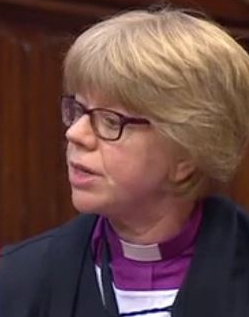
The Lord Bishop of London: My Lords, I have added my name to Amendment 58A. I am very grateful to the noble Lord, Lord Coaker, for introducing this new amendment. In Committee, I tabled an amendment looking to create a data firewall for survivors of domestic abuse. This amendment, however, is helpful in that it is broader in its scope and gets to the critical underlying principle: namely, that victims and witnesses of crime should not need to fear coming forward on account of their migration status. I and my colleagues on this Bench, including the right reverend Prelates the Bishops of Gloucester and Bristol, have highlighted these concerns, notably during the passage of the Domestic Abuse Bill.
Continue reading “Nationality and Borders Bill: Bishop of London speaks in favour of amendment to protect migrant victims of crime”On 2nd March 2022, the House of Lords debated the Nationality and Borders Bill in the second day of the report stage. The Bishop of Durham spoke on several amendments to the bill, including:
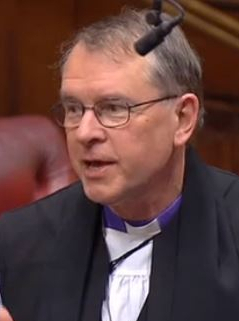
The Lord Bishop of Durham: My Lords, in rising to support Amendment 35 in the name of the noble Lord, Lord Kirkhope, to which I have added my name, I declare my interests in relation to both RAMP and Reset and set out in the register. I thank the noble Baroness, Lady Stroud, for the way she introduced this amendment, and I fully support all her points.
I set out my reasons for supporting this amendment in Committee. However, a significant concern for me now is that the Minister was not able to give assurance that children in families would be excluded from offshoring, nor that families would not be split up in the process. This is deeply concerning. I appreciate that the policy document of 25 February sets out that exemptions will depend on the country where people are being offshored and tat publicising exemptions will fuel the movement of the most vulnerable not subject to offshoring.
However, I would set out that, for children, onward movement to any country after an often traumatic journey to the UK, in addition to the trauma in their country of origin, is simply never in their best interests. All the concerns I set out in my Committee speech regarding the monitoring of the practice of offshoring processing centres are especially true for children.
Continue reading “Nationality and Borders Bill: Bishop of Durham speaks in favour of greater protection for children and vulnerable groups”On 2nd March 2022, the House of Lords debated amendments to the Building Safety Bill in Grand Committee. The Bishop of St Albans spoke in favour of a proportional approach to new safety regulations, balancing the need for remediation of risk with the potential effects on leaseholders:
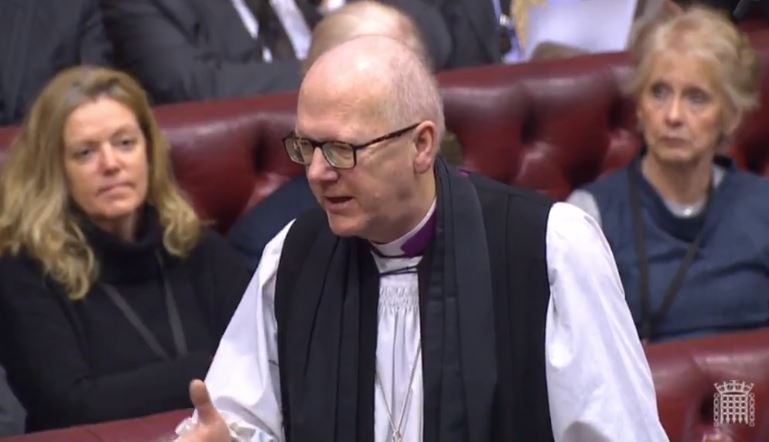
The Lord Bishop of St Albans: My Lords, I will add a few extra words to this. I apologise to the Committee; I am struggling, as I think a number of us are, as there are so many Bills going through that we are bobbing in and out of various Bills. It is frustrating for us that we cannot necessarily sit and follow everything through, but I think this probing amendment touches on some really important issues for us.
Not surprisingly, after the absolute horror of Grenfell, we are rightly trying to think about how we offer maximum safety for everybody. But safety comes at a cost, as we are all aware. As we work on a Bill that we hope will do its job for many years, we need to take an objective view on some of these areas, particularly on what the noble Earl, Lord Lytton, said about proportionality.
Continue reading “Building Safety Bill: Bishop of St Albans urges proportional approach”On 2nd March 2022, the House of Lords debated the Nationality and Borders Bill in its second day of the report stage. Votes were held on amendments to the bill, in which Bishops took part.
On 1st March 2022, the House of Lords debated amendments to the Health and Care Bill in the first day of the report stage. The Bishop of London spoke in favour of an amendment regarding palliative care, and urged that this care should be delivered with consistency:
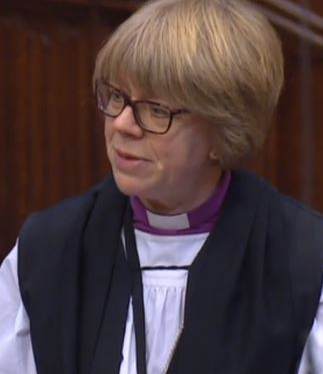
The Lord Bishop of London: My Lords, I declare my interests in the register. I join in thanking the Government for having listened in Committee. I hope that this will make a difference not just to the lives of those whose lives are shorter but also their families, so it is very welcome. I pay tribute to the noble Baroness, Lady Finlay, but also to my friend, the right reverend Prelate the Bishop of Carlisle, who put his name to Amendment 17.
Continue reading “Health and Care Bill: Bishop of London speaks in favour of amendments on palliative care”On 1st March 2022, the House of Lords debated the Health and Care Bill in the first day of the report stage. Votes were held on amendments to the bill, in which Bishops took part:
On 28th February 2022, the House of Lords debated the Nationality and Borders Bill in the first day of the report stage. Votes were held on amendments to the bill, in which Bishops took part:
 The Church of England in Parliament
You must be logged in to post a comment.