Bishop of Exeter asks about levelling up in south-west England

On 7th April 2022, the Bishop of Exeter asked a question for short debate about levelling up in the south-west of England, in Grand Committee:
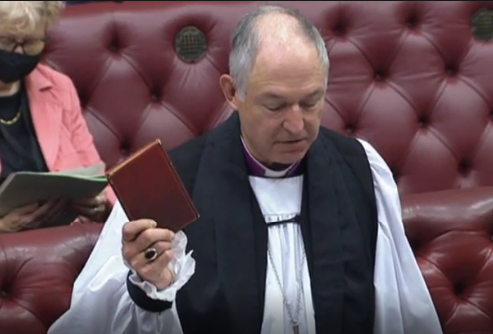
The Lord Bishop of Exeter: To ask Her Majesty’s Government what are their ‘levelling up’ plans for the South-West of England.

My Lords, I am privileged to serve a diocese in one of the most beautiful parts of England, except the picture postcard view of the region loved by tourists is only half the story. In keeping with most shire counties, the population is older than the national average. Dorset has the oldest population and Devon the second-oldest, with the average age in both counties set to rise significantly over the next 10 years, putting further strain on the NHS and our care services. However, the great thing about an older population, which became evident during the lockdown, is their resilience—they bring ballast and a honed wisdom to their communities. But this does not permit us to underestimate the logistical and economic challenge of sustaining an ageing population, particularly in coastal communities and remote rural areas.

Continue reading “Bishop of Exeter asks about levelling up in south-west England”
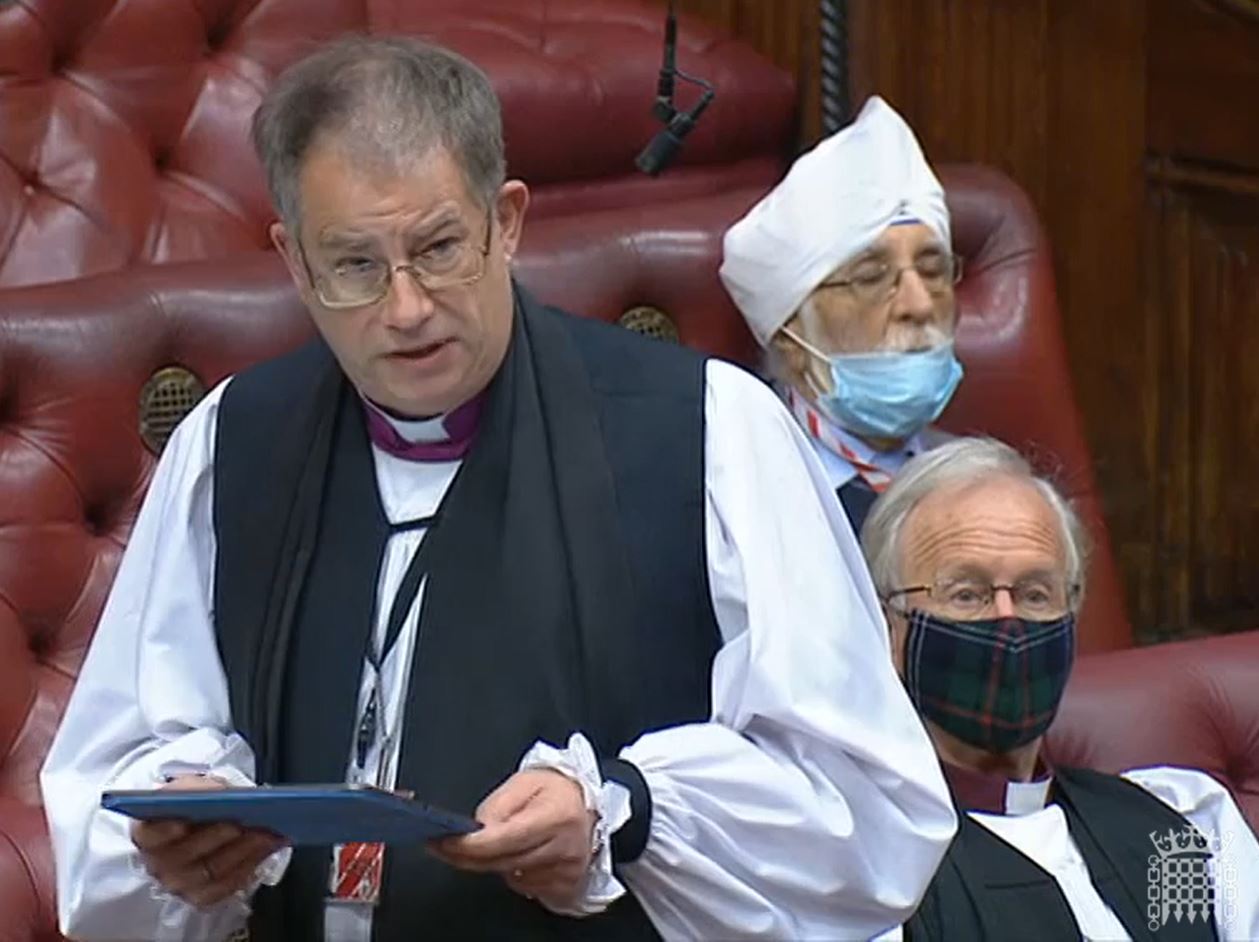
Bishop of Durham asks about public finances

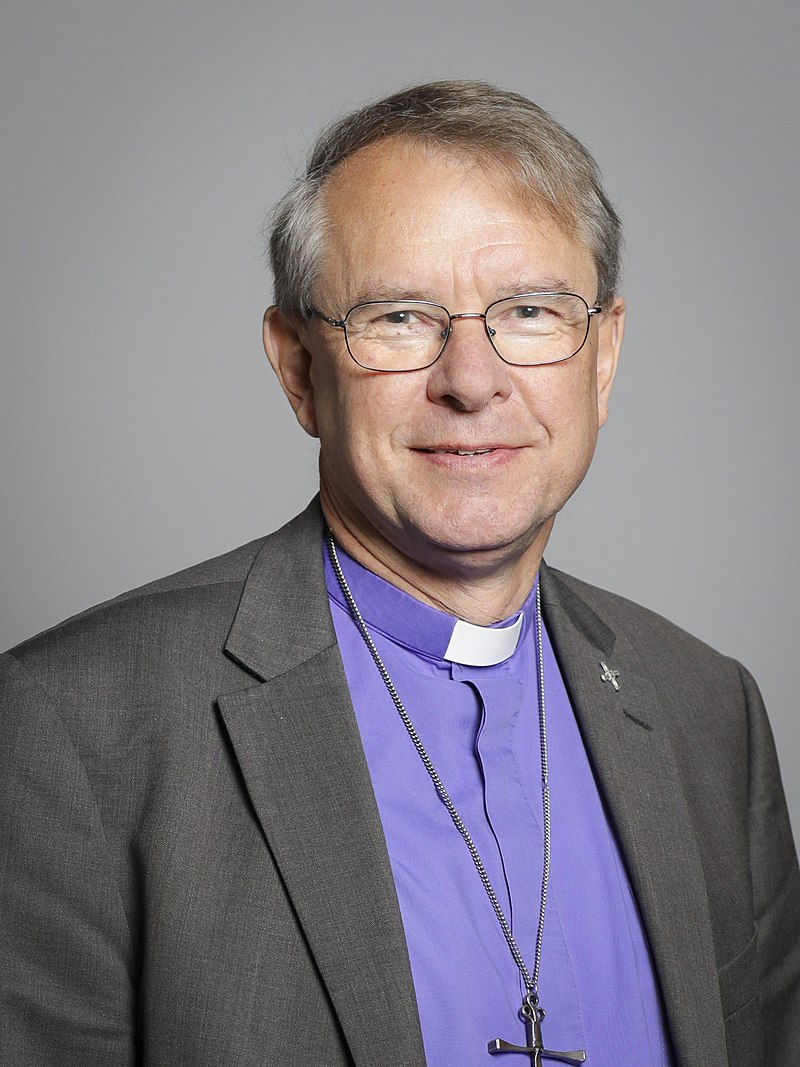
The Bishop of Durham received the following written answer on 7th April 2022:

The Lord Bishop of Durham asked Her Majesty’s Government whether they applied the Family Test to the measures set out in the Chancellor of the Exchequer’s Spring Statement on 23 March; and if so, what their conclusions and mitigations were.

Continue reading “Bishop of Durham asks about public finances”

Bishop of Oxford asks about use of surveillance technology in the workplace

The Bishop of Oxford asked a question on surveillance technology on 6th April 2022, during a debate on the introduction of a future Employment Bill:

The Lord Bishop of Oxford: My Lords, technology has intruded further into the world of work over the last five years. Many developments are helpful, but some are not. Almost 60% of workers now report some form of technological surveillance at work, often through so-called bossware, often introduced without consultation with unions and workers. How will the employment Bill eventually keep pace with this development, and will it introduce a statutory requirement on employers to consult and disclose the use of algorithmic and AI surveillance on employees, and protect workers from excessive surveillance by technology?

Continue reading “Bishop of Oxford asks about use of surveillance technology in the workplace”

Bishop of Exeter asks about support for agriculture following Russia’s invasion of Ukraine

The Bishop of Exeter received the following written answer on 5th April 2022:

The Lord Bishop of Exeter asked Her Majesty’s Government what assessment they have made of the impact of (1) inflationary, and (2) supply chain, pressures on British farming exacerbated by Russia’s invasion of Ukraine; and what consideration they have given to pausing the phasing out of direct payments to farmers for two years to enable them to adjust to these changes in the market.

Continue reading “Bishop of Exeter asks about support for agriculture following Russia’s invasion of Ukraine”

Bishop of Gloucester asks about food affordability

The Bishop of Gloucester received the following written answer on 5th April 2022:

The Lord Bishop of Gloucester asked Her Majesty’s Government what assessment they have made of the merits of an Affordable Food Innovation Fund being included in the White Paper to be published in response to the National Food Strategy.

Continue reading “Bishop of Gloucester asks about food affordability”

Bishop of St Albans asks about investigating allegations of war crimes in Ukraine

The Bishop of St Albans asked a question regarding Russia’s invasion of Ukraine on 4th April 2022:

The Lord Bishop of St Albans: To ask Her Majesty’s Government what steps they are taking to work with international partners to investigate allegations of war crimes following the massacre in Bucha, Ukraine, by Russian Armed Forces.

Lord Ahmad of Wimbledon (Con): My Lords, we were all horrified, as we are now, by seeing evidence of appalling acts by Russian forces in the Ukrainian city of Bucha. Russia’s alleged indiscriminate attacks against civilians during this illegal invasion must be investigated as war crimes. We will fully support any investigations by the International Criminal Court, and we will not rest until those responsible for these atrocities have faced justice. The international community must continue to provide Ukraine with humanitarian and military support while stepping up sanctions to cut off funding for Mr Putin’s war machine.

Continue reading “Bishop of St Albans asks about investigating allegations of war crimes in Ukraine”

Bishop of Oxford asks about facial recognition technology (FRT)

On 4th April 2022, the Bishop of Oxford asked a question during a debate on facial recognition technology and policing:

The Lord Bishop of Oxford: My Lords, I declare an interest as a former board member of the Centre for Data Ethics and Innovation. I wonder if the Minister would comment on the vital importance of establishing public trust and confidence in the deployment of FRT and indeed any new technology, especially in such a sensitive area as policing. A range of concerns have been raised about rapid deployment, governance and bias by the CDEI, the European Union and the makers of popular documentaries. Yet, in the face of this, the Met and South Wales Police have both announced a ramping up of the use of FRT. Does the Minister agree that it is time to slow this down and for urgent parliamentary scrutiny and better governance of the police’s use of facial recognition technology?

Continue reading “Bishop of Oxford asks about facial recognition technology (FRT)”

Archbishop of York asks about football and cricket

The Archbishop of York asked a question about sports on 31st March 2022:

The Lord Archbishop of York: My Lords, I was not planning to speak, but I thought I might join in some of the fun. I refer the Minister back to her earlier answer in which she referred to football as the “national game”. I wonder whether she would like to confirm that it is the Government’s view that football and not cricket is now the national game, which is a cause of great shock to some of us on these Benches.

Continue reading “Archbishop of York asks about football and cricket”

Archbishop of Canterbury asks about climate change

The Archbishop of Canterbury asked a question during a debate on behaviour change for net-zero on 31st March 2022:

The Lord Archbishop of Canterbury: My Lords, like the Government, the Church of England has targets for reaching net-zero carbon, in our case by 2030. Churches across the Anglican Communion are deeply affected by climate change. For example, Madagascar recently had four cyclones in two months. We are working right across the communion on this question. This week, we have had a gathering of archbishops from across the communion representing more than 100 countries. Will the Minister set out the plans that the Government have to work further with faith communities, which have unique distribution and contacts, from the grass roots to the highest level, both nationally and internationally, and will he commend the work that they are already doing?

Continue reading “Archbishop of Canterbury asks about climate change”

Bishop of Durham asks about early education

The Bishop of Durham asked a question regarding the Special Educational Needs and Disabilities Review on 30th March 2022:

The Lord Bishop of Durham: My Lords, I declare my interest as chair of the National Society, which leads the Church of England’s education work.

I hope the Minister will be pleased to hear that, in response to yesterday’s Green Paper, the Church of England has established a national network for SENCOs at primary and secondary levels, partly to get their opinions on how we should respond but also to offer development in future. However, I want to continue to pursue the early years question. Understandably, this is about education and social care. The first 1,001 days of life are the most crucial. Nothing here refers to the development of family hubs and the work of health visitors in the pre-two context, where some discernment ought to be available. Can the Minister comment on the join-up between the development of family hubs and the really early years?

Continue reading “Bishop of Durham asks about early education”